
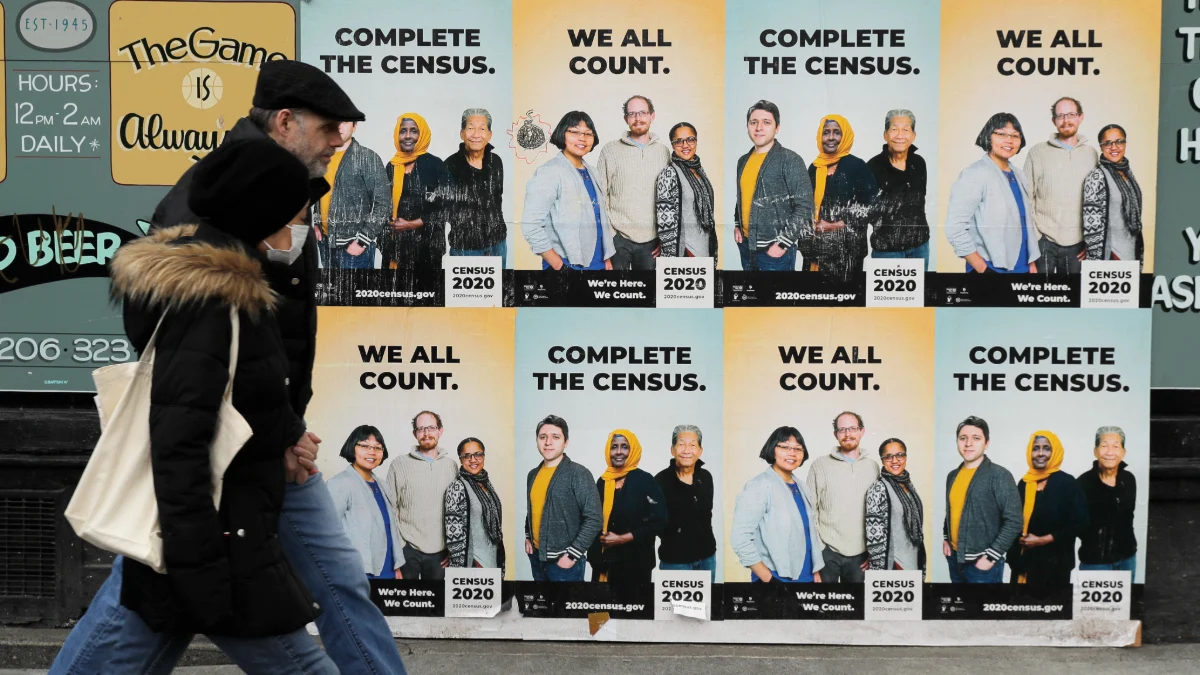
The United States Census, a foundational democratic process and a massive data operation, is currently grappling with intense political pressures that threaten its ability to provide accurate population data. As the 2030 Census planning begins, longstanding partisan conflicts and contemporary controversies raise concerns about the legitimacy and reliability of census data, crucial for political representation and resource allocation.
What Happened
In a recent discussion with communication scholar danah boyd, author of Data Are Made, Not Found: A Story of Politics, Power, and the Civil Servants Who Saved the US Census, the complexities and political strains faced by the Census Bureau were explored in detail. The book uncovers how the 2020 Census was conducted amid a fractured political landscape and the added complications from the COVID-19 pandemic. These conditions not only challenged data collection efforts but also the fundamental trust in the census results. With preparations for the 2030 Census already underway, political disputes over census procedures and data remain unresolved.
Key Facts
The US Census is governed by longstanding laws dating to the Constitution and formalized as a professional bureau in 1902, tasked with delivering an accurate population count every ten years. The census informs the distribution of congressional seats and federal funding, making its data deeply political. The Bureau faces increasing interference from partisan actors, pressuring census workers to alter or manipulate data collection processes. Although the Bureau aims for a precise count—its guiding “North Star”—the current political environment complicates achieving this goal. These pressures raise questions about the legitimacy of census outputs, with implications for redistricting and public trust.
What This Means
The political interference put the reliability of the US Census at risk, which could fundamentally affect democratic representation and the allocation of government resources. Given how deeply census data impact legislative districting, health programs, and infrastructure funding, any loss of credibility or accuracy threatens to skew political power and resource equity. For the average American, this means that communities may be undercounted or misrepresented, potentially reducing their political voice and access to services. Furthermore, the sustained partisan tug-of-war erodes public confidence in government data institutions, complicating future efforts to collect and use population data effectively. This turmoil underscores the broader challenge of safeguarding data integrity in politically charged contexts and highlights a need for Congress to reclaim its responsibility in overseeing this essential democratic process.
Background
The challenges confronting the Census Bureau are not new. Since the first US Census in 1790, political debate has surrounded how populations are counted and represented. The Bureau professionalized in the early 20th century with a mission to minimize partisan influence and maximize data quality. However, Congress abdicated some oversight responsibilities in 1929, contributing to today’s contested environment. Efforts to maintain impartiality by the decade-long career civil servants at the Bureau have grown stressful as partisan demands increasingly target the data’s production processes. danah boyd’s research highlights these tensions through an ethnographic lens, shedding light on the internal struggles to protect census integrity amid external political pressures.
What Remains Unclear
Key uncertainties include how the Census Bureau will navigate upcoming political challenges during the 2030 Census, including potential new legislative mandates or political interference. The extent to which Congress will resume active oversight and whether reforms will be enacted to restore public trust remain unresolved. Additionally, how the Bureau will address logistical challenges from population mobility and ambiguous counting rules—for example, counting children with split custody—continues to provoke debate. These factors leave open critical questions about the future legitimacy and functionality of the US Census.
What Comes Next
Preparations for the 2030 Census are currently underway, with key planning stages and technological modernization expected in the coming years. danah boyd’s work signals a pivotal moment for census governance, emphasizing the urgent need for renewed Congressional leadership and reforms before the next enumeration. Continued monitoring of legislative developments and Bureau policy announcements will be essential to track efforts aimed at safeguarding the census as a democratic cornerstone.
Sources
This article is based on reporting and publicly available information from the following sources:
Read more Politics stories on Goka World News.