
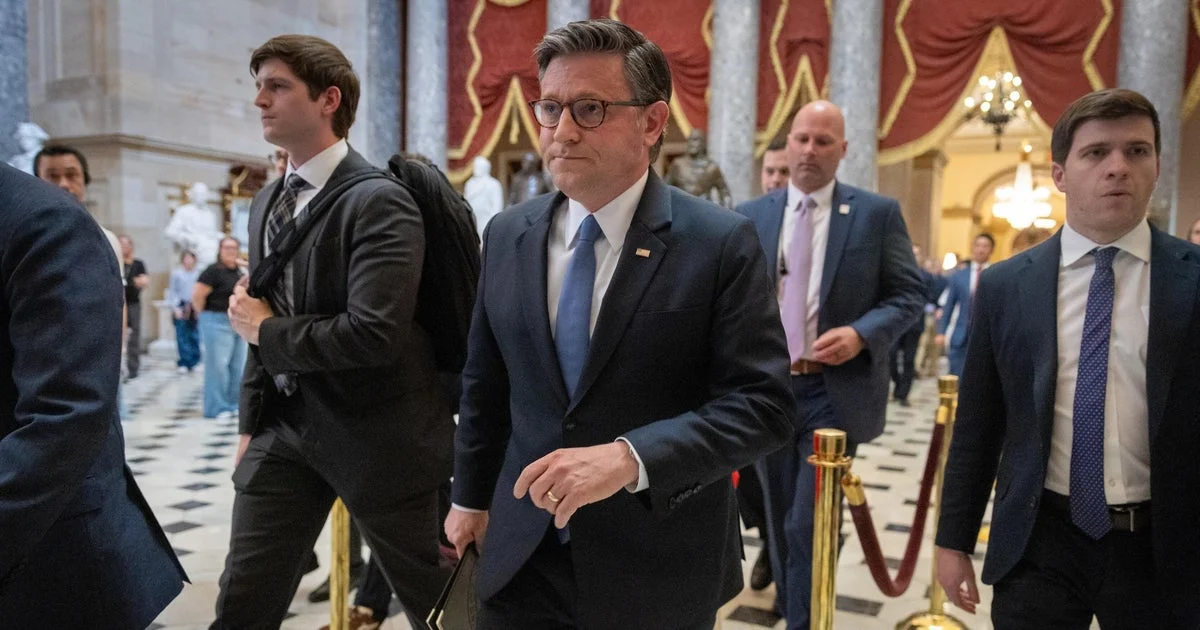
The U.S. House of Representatives approved a short-term extension of the Foreign Intelligence Surveillance Act (FISA) Section 702 program early Friday, renewing the controversial surveillance authority only until April 30. This renewal came after intra-party divisions among Republicans scuttled efforts to secure a longer extension favored by former President Donald Trump.
The extension passed by unanimous consent in a late-night session without objection, pending consideration in the Senate. Lawmakers had debated a late Thursday proposal to extend the program for five years with several revisions, but the effort collapsed after key procedural votes failed due to Republican defections.
Debate over surveillance authority
Section 702 of FISA authorizes U.S. intelligence agencies—including the CIA, NSA, and FBI—to collect overseas communications without a warrant, occasionally capturing incidental communications involving Americans. Supporters argue the program is vital to counterterrorism, cyber defense, and espionage efforts, especially given ongoing conflicts such as the war with Iran.
Opponents from both parties raised constitutional concerns about the surveillance of Americans’ communications without a warrant. Massachusetts Representative Jim McGovern highlighted frustration over the bill’s complexity and transparency during floor debate, asking, “Does anybody actually know what the hell is in this thing?”
Political tensions and negotiations
Former President Trump had strongly advocated for a clean 18-month renewal of the program, urging Republican unity and actively lobbying lawmakers throughout the week. Members of Congress met with White House officials and intelligence leaders, including CIA Director John Ratcliffe, to negotiate terms. House Speaker Mike Johnson initially backed a longer extension but acknowledged the close vote ultimately fell short.
“We want to make sure that we have this very important tool for national security, but we also do it in a way that jealously guards constitutional rights,” Johnson said during the debate.
With the shorter extension now passing the House, attention shifts to the Senate, where debate and votes will determine the program’s immediate future beyond April 30.
Why it matters
Section 702’s renewal is critical for U.S. intelligence operations that monitor foreign threats, but it remains a focal point for privacy advocates and civil liberties groups concerned about warrantless surveillance of Americans. The short-term extension buys Congress additional time to negotiate a more lasting compromise amid deep partisan divisions.
Background
Authorized under the Foreign Intelligence Surveillance Act, Section 702 was enacted to enhance the government’s ability to collect foreign intelligence while balancing privacy protections. The program has previously faced legal challenges and public scrutiny regarding the scope of data collection on U.S. persons. Its renewal often triggers contentious debates surrounding the trade-offs between national security and individual privacy rights.
Read more Politics stories on Goka World News.