
Hezbollah Signals Readiness Amid Lebanon-Israel Ceasefire Holding
A ceasefire between Israel and Lebanon took effect on Thursday evening, ending intense fighting that involved Hezbollah, the Iran-backed militia in Lebanon. While Hezbollah and Iran have expressed support for the cessation of hostilities, both have emphasized their readiness to respond if the ceasefire is violated.
Ceasefire Holds with Cautious Support from Hezbollah and Iran
Hezbollah, a significant armed group supported by Iran, which has engaged Israel for years, issued a statement on Friday acknowledging the ceasefire but stated its fighters “remain on the trigger,” signaling they are prepared for renewed conflict if necessary. The group claimed responsibility for thousands of strikes against Israeli positions during the recent escalation, framing its actions as retaliation against Israel’s military operations in southern Lebanon.
Iran’s parliamentary speaker Mohammad Baqer Ghalibaf credited Hezbollah’s resilience and the solidarity of Iran’s allies for securing the ceasefire. He also thanked mediators, including Pakistan and its military leadership, for facilitating the agreement. Iranian state media portrayed the ceasefire as a victory for resistance against Israeli attacks.
Lebanese Leadership Focuses on Consolidating Ceasefire
President Joseph Aoun of Lebanon described the ceasefire as a critical opportunity to consolidate peace. He outlined goals including ensuring the withdrawal of Israeli forces from occupied areas, releasing prisoners, and resolving border disputes. Aoun emphasized the Lebanese army’s role in securing the south post-withdrawal, underscoring that only legitimate security forces would be present to reassure displaced residents returning home.
Although the president did not explicitly mention Hezbollah, the militia has historically controlled much of southern Lebanon. More than a million Lebanese were displaced by the conflict, and some have begun returning to their towns, despite ongoing Israeli military presence in parts of the region.
Israel Maintains Military Positions and Warns Residents
Despite the ceasefire, Israel’s Defense Forces (IDF) have not withdrawn from southern Lebanon. An IDF spokesman urged displaced civilians not to return to their homes near the Litani River, warning that Israeli troops would maintain positions to counter “ongoing terrorist activities” attributed to Hezbollah.
Iran and U.S. Military Postures Amid Broader Iran War Truce
Separately, the nine-day-old ceasefire between Iran and U.S.-led forces remains in place, with no new attacks reported. Iranian Army Commander Major General Amir Hatami stated that Iranian forces remain prepared to confront threats despite the ceasefire. However, tensions continue over the blockade of Iranian ports and control of the Strait of Hormuz, a vital international shipping lane.
U.S. military officials have reiterated readiness to resume operations if necessary, signaling the fragility of the current arrangements even as diplomatic efforts continue.
Residents of Southern Lebanon Begin Returning Amid Uncertain Security
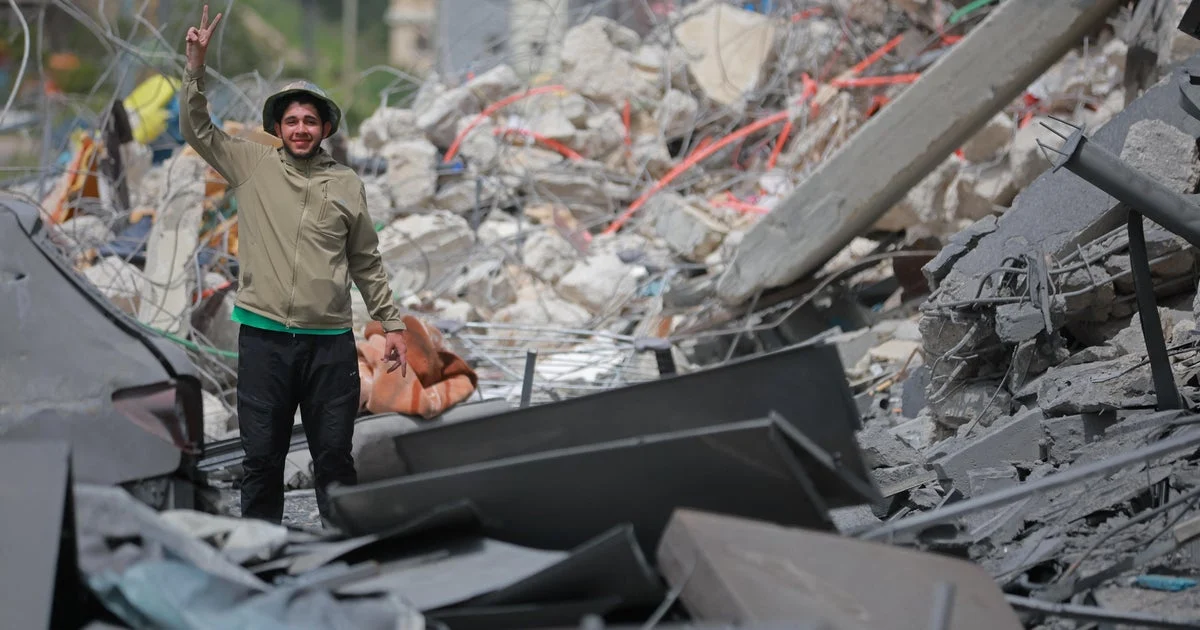
Civilians displaced by the fighting expressed cautious hope about returning home under the ceasefire. Some said their homes were destroyed but emphasized that rebuilding was possible. Nonetheless, some areas remain inaccessible due to Israeli military control, and safety concerns linger among residents.
Why it matters
The Lebanon-Israel ceasefire represents a significant step toward de-escalating a key front in the wider Iran war, which has complicated diplomatic efforts. Hezbollah’s restrained but alert posture indicates continued volatility, while Lebanon’s government seeks to assert state authority in the south. How durable this ceasefire proves will influence prospects for a broader peace settlement between Iran and the U.S. and affect stability in the region, particularly regarding civilian safety and the future of Hezbollah’s armed role in Lebanon.
Read more World News stories on Goka World News.