
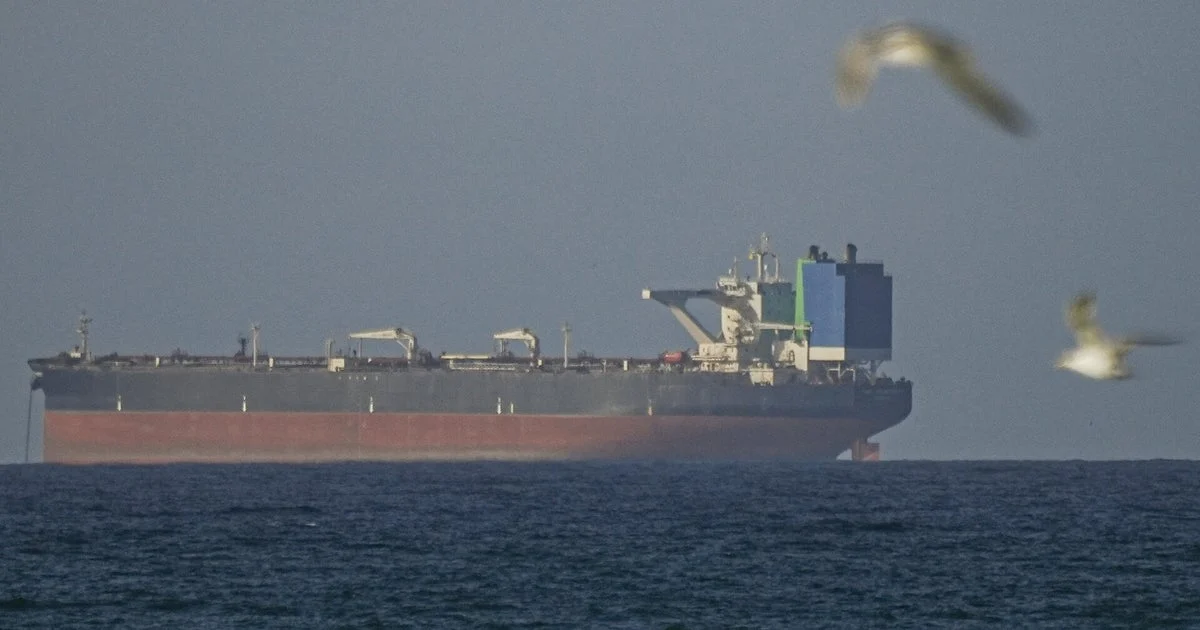
Iran has reportedly reopened the Strait of Hormuz, a strategically vital waterway for global oil shipments, despite the United States continuing its naval blockade in the area. This development underscores escalating tensions between Iran and the U.S. over control and access to the strait.
Strait of Hormuz: Strategic Importance and Current Status
The Strait of Hormuz is one of the world’s most critical maritime choke points, connecting the Persian Gulf to the Gulf of Oman and the Arabian Sea. It facilitates the passage of roughly 20% of the world’s petroleum shipments, making its security crucial for global energy markets.
Iran’s decision to reopen the strait contrasts with ongoing U.S. military efforts to enforce a blockade aimed at restricting Iranian oil exports. The blockade is part of a broader strategy from the United States to apply economic and strategic pressure on Iran.
U.S. Legislative Action on Surveillance Law
Separately, the U.S. Congress has passed a temporary extension of a key surveillance law under the Foreign Intelligence Surveillance Act (FISA). The extension ensures continued legal authority for intelligence activities that could impact national security and oversight amid fluctuating geopolitical tensions, including those involving Iran.
Why it matters
The reopening of the Strait of Hormuz by Iran, despite the U.S. blockade, risks increased confrontation in an area critical to global energy supplies. Any disruption here could cause significant volatility in international oil markets and heighten the risk of military clashes between Iran and U.S. forces. The continuation of FISA surveillance authorities illustrates the U.S. government’s heightened focus on intelligence amid these ongoing geopolitical pressures.
Read more World News stories on Goka World News.