
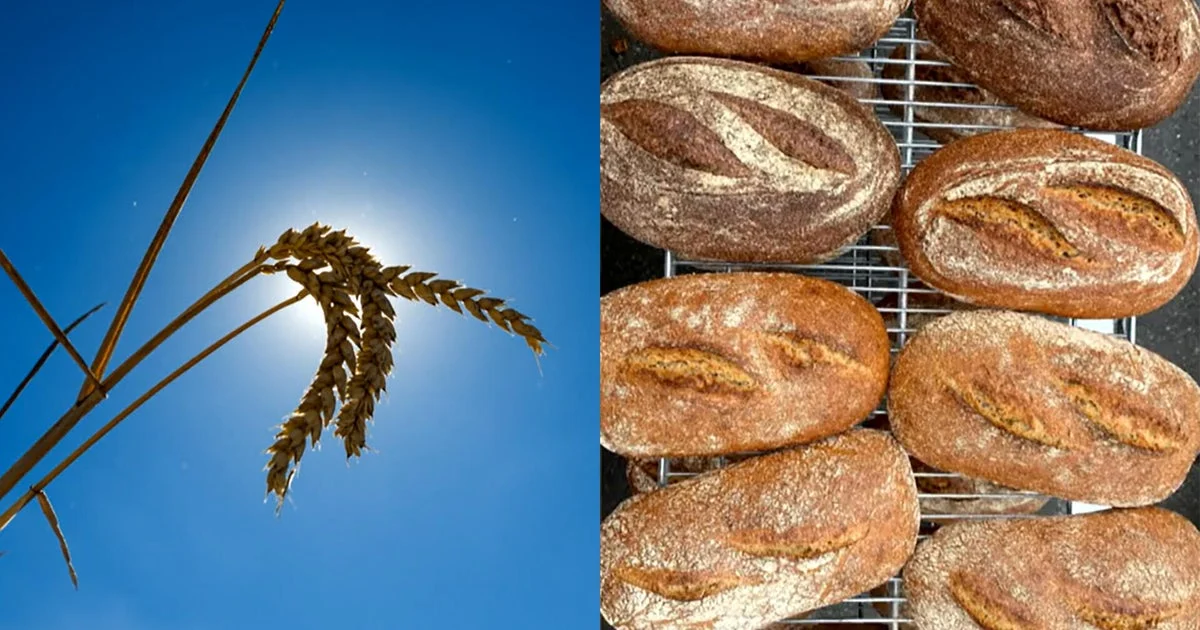
Researchers at Breadlab, a program at Washington State University, are developing new varieties of whole grain wheat to address declining nutrition, flavor, and climate resilience seen in modern wheat strains. These efforts aim to benefit farmers, consumers, and the overall wheat supply chain.
Over the last century, commercial wheat cultivation has prioritized traits such as yield and processing efficiency. As a result, many widely grown wheat strains today are less nutritious and flavorful compared to heirloom varieties. Additionally, these strains face increased vulnerability to changing climate conditions, threatening crop stability and food security.
Breadlab scientists are selectively breeding wheat to reverse these trends by enhancing nutrient content and taste profiles while improving environmental hardiness. By focusing on whole grains, their work supports healthier food options and sustainable farming practices.
The initiative combines traditional plant breeding techniques with rigorous testing to ensure the new wheat varieties thrive in diverse growing conditions while meeting consumer expectations for taste and quality. This approach reflects a growing interest in restoring biodiversity and nutritional value in staple crops.
Why it matters
Improving wheat varieties has significant implications for global food systems, as wheat is a major staple feeding billions worldwide. Enhanced nutritional quality can address dietary deficiencies, while increased climate resilience helps safeguard farmers’ livelihoods amid unpredictable weather patterns and environmental stress.
Moreover, developing wheat with better flavor can stimulate consumer demand for whole grain products, supporting public health objectives to increase whole grain consumption and reduce processed food reliance.
Background
Traditional wheat breeding historically focused on maximizing yield and compatibility with industrial milling and baking processes, often at the expense of nutritional content and taste. With rising concerns over climate change, food security, and diet-related health issues, researchers and growers have renewed interest in creating crop varieties that are both sustainable and beneficial to human health.
Breadlab represents a broader movement within agri-science aimed at restoring heirloom traits and addressing modern agricultural challenges through innovative breeding practices.
Read more Science Discoveries stories on Goka World News.