
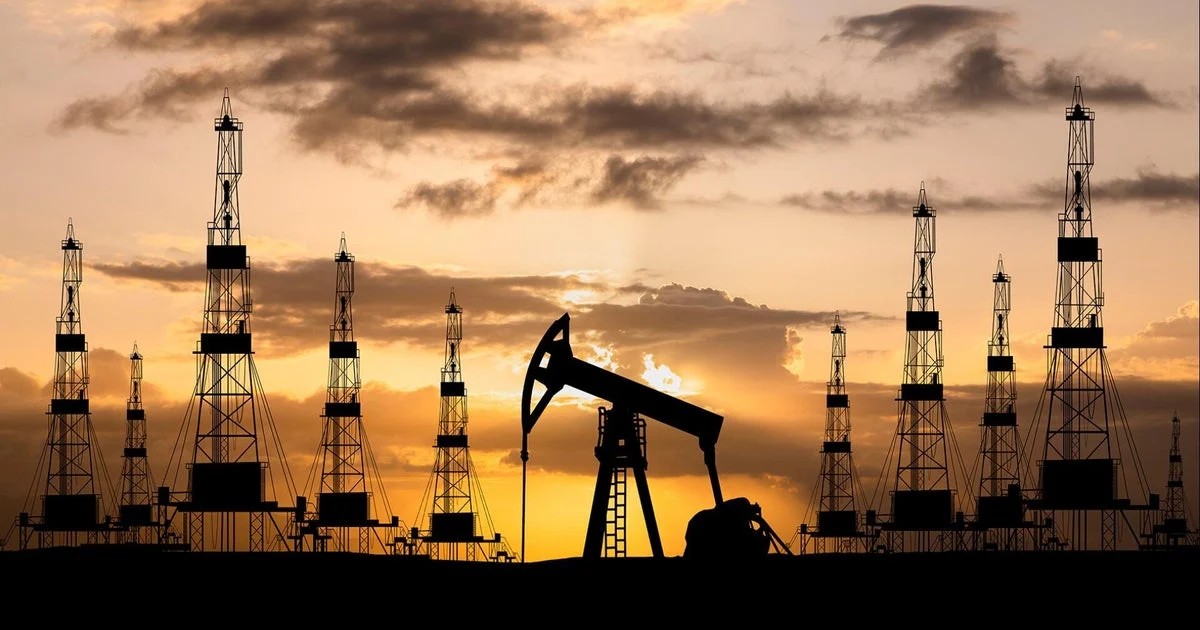
The ongoing war involving Iran is driving up costs for a broad range of consumer products made from petroleum derivatives, extending the economic impact far beyond the familiar spike in gasoline prices. Industries reliant on petrochemical materials are facing increased production expenses as disruptions to Middle Eastern oil supplies persist into their eighth week.
Petrochemicals Affect Thousands of Products
Petroleum and natural gas derivatives contribute to the manufacture of over 6,000 consumer goods, according to the U.S. Department of Energy. These include everyday items such as computer keyboards, lipstick, nylon guitar strings, soft contact lenses, shaving cream, crayons, pills, and synthetic fabrics like polyester and acrylic. The war’s impact on oil shipments has already increased costs for materials used in plush toys, with some suppliers in China reporting price rises of 10% to 15% within three weeks of the conflict’s start.
Major petrochemicals derived from crude oil—such as ethylene, propylene, butylene, benzene, toluene, and xylenes—are foundational to the plastics and synthetic fibers used in many products. Manufacturers report that material costs constitute a significant portion of production expenses: for example, material accounts for approximately 27% to 30% of the cost to produce a button-down shirt. Likewise, synthetic shoe production is highly vulnerable, with 70% of shoe materials derived from petrochemicals and costs linked closely to oil price fluctuations.
Price Increases Loom Across Multiple Industries
Companies across sectors are adjusting to rising raw material prices. A footwear trade group estimates that shoe prices could increase by 1.5% to 3% by late summer due to higher petroleum-related costs. Similarly, manufacturers of polyester textiles have seen material prices increase by nearly 50%, which may add around 10 to 15 cents to the cost of each garment. These cost pressures are expected to influence retail prices later in 2026 unless the conflict subsides.
Some businesses are preemptively securing larger inventories or boosting orders to mitigate further price hikes. For instance, a portable shower attachment company recently tripled its purchase volume to avoid upcoming 30% cost increases from Chinese suppliers. Meanwhile, medical supply companies reliant on adhesives and plastics anticipate raising prices by about 15%, citing raw material cost increases of roughly 20%.
While nearly 85% of global oil consumption is for fuel, the remainder fuels a sprawling network of materials production. As crude oil prices remain elevated—above $90 per barrel—cost pressures on supply chains are expected to grow, impacting not only fuel and transportation but a wide array of consumer goods packaging and production.
Why it matters
The war in Iran highlights the extensive economic vulnerabilities tied to global petroleum supply chains, underscoring how geopolitical conflicts can ripple through the consumer economy beyond oil and gasoline. Higher production costs for petrochemical-based materials threaten to increase prices for a broad spectrum of everyday products, affecting consumers, manufacturers, and retailers worldwide. With inventory contracts for key materials underway, price adjustments for holiday season goods may become inevitable if instability continues.
Background
Crude oil is a complex mixture of hydrocarbons that refineries break down into petrochemicals used extensively in manufacturing. The conflict has constrained Middle Eastern oil exports, a crucial supplier of global energy and raw materials. As prices for crude and refined petrochemicals rise, manufacturers face increased input costs that typically translate into higher consumer prices. The situation illustrates the interdependence of the petroleum industry with diverse economic sectors far beyond fuel.
Read more Business stories on Goka World News.