
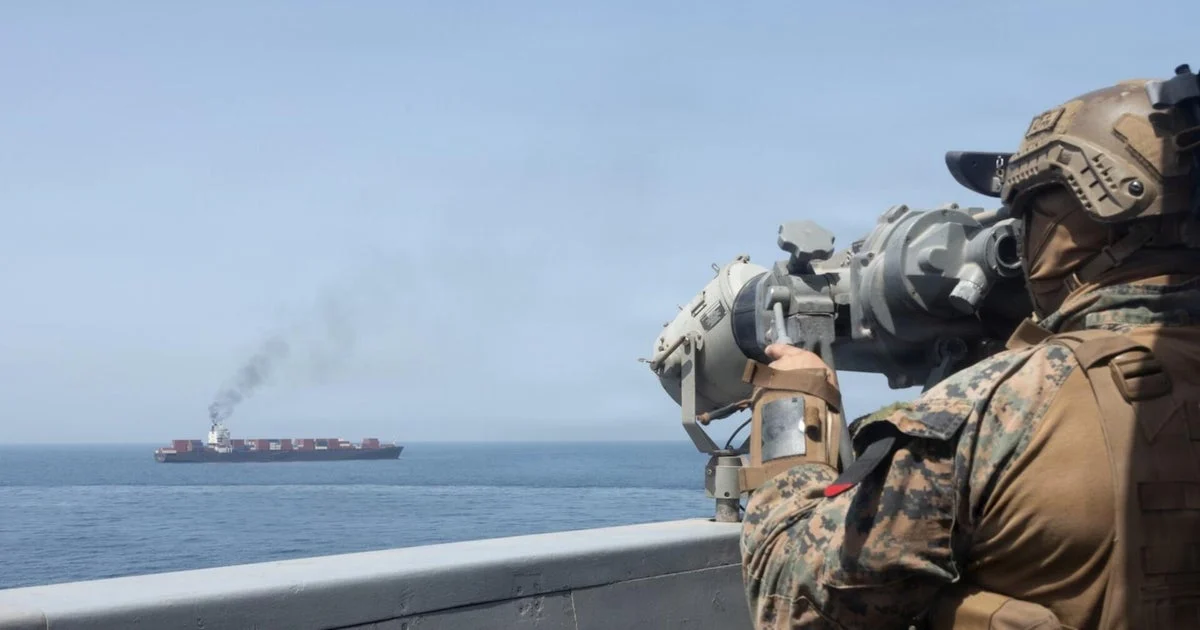
The U.S. Department of Defense announced the immediate resignation of Navy Secretary John Phelan amid escalating confrontations between the United States and Iran in the Strait of Hormuz, a critical maritime chokepoint. This departure marks the latest high-level exit in the Pentagon during ongoing tensions in the region.
The Strait of Hormuz remains a focal point of strategic competition, with Iran reportedly involved in recent attacks on ships passing through the narrow waterway that connects the Persian Gulf to the Gulf of Oman and the Arabian Sea. These incidents have heightened concerns over maritime security and freedom of navigation in the vital corridor used for a significant share of the world’s oil exports.
While the Pentagon did not specify the reasons for Phelan’s departure, his exit coincides with intensified U.S. efforts to counter Iranian influence and safeguard commercial shipping in the area. The U.S. Navy, tasked with patrolling the strait, plays a central role in these efforts.
Why it matters
The resignation of a senior Navy official during a period of increased military and diplomatic tension in a strategically important waterway raises questions about U.S. defense leadership stability. The Strait of Hormuz is vital for global energy supplies, and any disruption can have significant economic and geopolitical consequences.
Continued confrontations risk escalating into more direct conflict, potentially threatening global oil markets and international maritime commerce. Leadership changes within the U.S. Navy may impact the country’s approach to managing this volatile situation.
Background
The Strait of Hormuz is one of the world’s most strategically sensitive locations for energy transportation. Approximately 20% of the world’s petroleum passes through this narrow strait daily. In recent years, the U.S. and Iran have engaged in a series of military and proxy confrontations, with Iran reportedly targeting vessels as leverage amid ongoing political disputes.
The U.S. Navy Secretary oversees naval operations including force readiness, deployment, and strategy implementation, making the role crucial during heightened regional tensions. Phelan’s immediate resignation underscores the fluid and precarious nature of U.S. military leadership amid geopolitical friction in the Middle East.
Read more US News stories on Goka World News.