
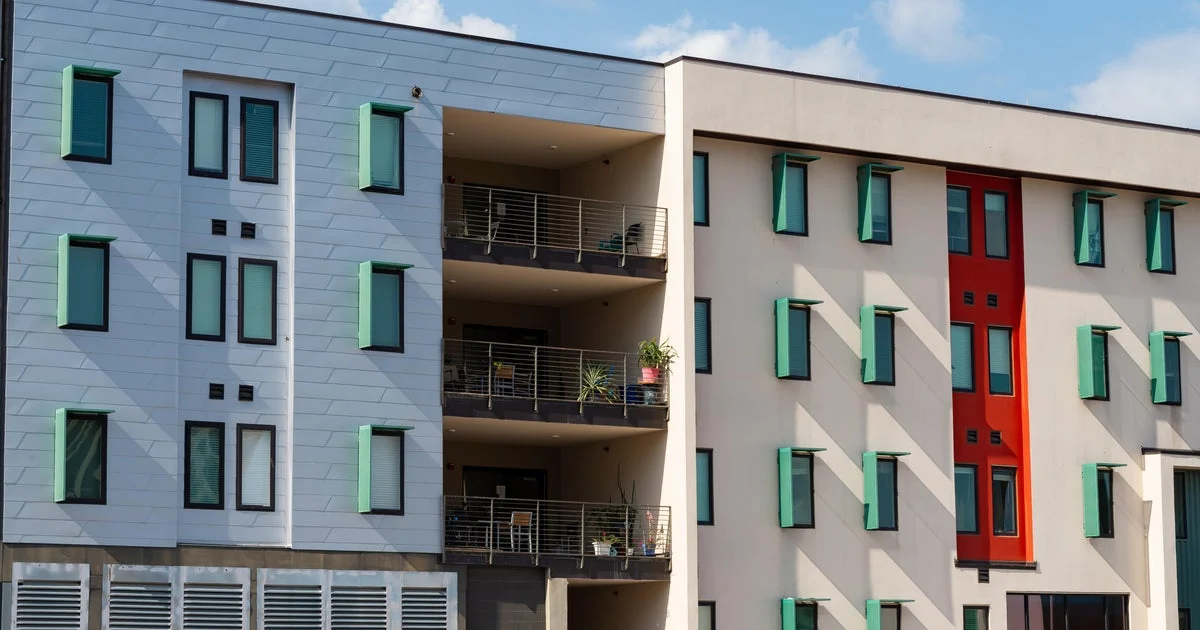
Rent growth across the United States slowed sharply in March, reaching the slowest pace since December 2020, according to a recent Zillow study. The typical monthly rent stood at $1,910, marking a 1.8% increase from a year earlier.
Zillow senior economist Kara Ng attributed the slowdown to new housing supply entering the market, normalized demand following pandemic-driven surges, and affordability constraints limiting landlords’ ability to raise prices. After a period of rapid rent increases fueled by strong demand, limited inventory, and fiscal stimulus during the pandemic, rent growth is now moderating.
Income gains in March outpaced rental cost increases, providing renters with somewhat improved financial flexibility. Zillow data showed single-family home rents—defined as attached or semi-attached houses such as row houses, duplexes, quadruplexes, and townhomes—grew by 2.5% annually, the slowest rate recorded since Zillow began tracking these figures in 2015. Multifamily rental costs increased by 1.3% year-over-year to $1,757 in March.
Among major U.S. cities, some have seen declines in rental prices compared to last year. Austin, Texas, experienced the largest drop with rents down 2.3%. Tampa, Florida, and San Antonio, Texas, also saw rental decreases of 1.6% year-over-year.
Despite easing rent growth, affordability remains a significant challenge. Median households spent 26.5% of their income on rent in the most recent month. To afford the typical rent of $1,910 comfortably, a household must earn at least $76,400 annually—an increase of 35% compared to pre-pandemic affordability thresholds. Since early 2020, single-family home rents have surged nearly 45%, while multifamily rents have risen 28%.
Why it matters
Slower rent growth and rising incomes may relieve some pressure on renters and reduce the risk of housing instability. However, the substantial increase in required income to afford typical rents highlights ongoing challenges in affordable housing, affecting financial security for many Americans. Monitoring rent trends is crucial as policymakers and market participants assess housing market health and affordability interventions.
Background
Rents escalated sharply during the COVID-19 pandemic due to increased demand for housing, constrained supply, and government stimulus spending. The growth began to slow as new construction projects completed, and household spending balanced out. Zillow has tracked rental data since 2015, providing insights into long-term market trends and helping contextualize the current slowing rate of increase compared to historic highs.
Read more Business stories on Goka World News.