
Since the Iran war began eight weeks ago, U.S. economic conditions have deteriorated, with oil prices surging and inflation reaching its highest level in nearly two years. Economists warn that these financial effects will persist throughout 2026, even if the conflict ends soon.
The war has disrupted traffic through the Strait of Hormuz, a critical waterway supplying about 20% of the world’s oil. Brent crude oil prices have increased 44% to over $105 a barrel since the war’s start, raising gasoline prices above $4 per gallon nationwide and increasing travel and transport costs for American consumers.
Mark Zandi, chief economist at Moody’s Analytics, stated the damage to the energy sector and supply chains means oil prices are unlikely to revert to prewar levels in the near future. He noted widespread damage to Middle Eastern energy infrastructure will delay a return to the preconflict production rate of 100 million barrels per day.
Similarly, Lydia Boussour, senior economist at EY-Parthenon, emphasized lingering impacts on energy capacity and supply chains, which will keep prices elevated for months to come. EY-Parthenon’s chief economist Gregory Daco projects the war could reduce U.S. GDP growth by 0.3 percentage points in 2026, slowing expansion from 2.1% in 2025 to around 1.8%.
Inflation and Consumer Spending
Inflation has accelerated, driven largely by rising energy prices. The Consumer Price Index hit an annual rate of 3.3% in March, the highest since May 2024, and the Personal Consumption Expenditures price index could reach 4% by year-end—double the Federal Reserve’s 2% target, according to Scott Lincicome of the Cato Institute.
Higher costs for fuel and energy may prompt consumers to reduce spending, potentially weighing on economic growth, as consumer expenditure accounts for about 70% of GDP. While spending has remained relatively resilient, growth is concentrated among higher-income households with substantial stock market investments.
Broader Economic Consequences
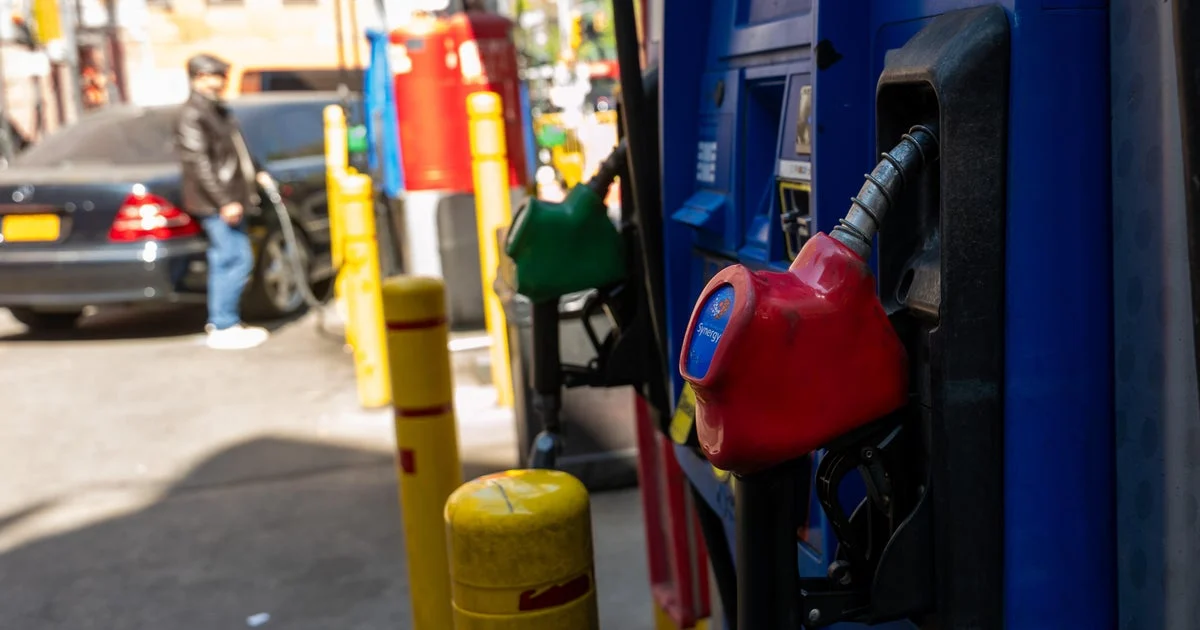
Gas prices have increased by more than $1 per gallon since the war began, with averages at $4.06 per gallon as of April. Under optimistic forecasts, gas prices could decline to around $3.50 a gallon by year’s end but remain elevated compared to the prewar price of $2.98.
The conflict has also raised jet fuel costs, leading airlines to raise ticket prices and impose more fees. Rising diesel prices increase transportation costs for goods, pushing up grocery prices and other consumer products. Disruptions to natural gas supplies, used in fertilizer production, could further pressure food prices.
The International Energy Agency recently reported that the war will constrain global natural gas supplies for at least two years. Supply chain challenges caused by the conflict may partially be absorbed by wholesalers and retailers but will likely pass some costs onto consumers.
Why it matters
The Iran war’s sustained impact on energy prices and inflation poses ongoing challenges for U.S. economic recovery. Higher costs affect everyday expenses such as fuel, groceries, and travel, while slowing GDP growth risks prolonging financial strain for American households and businesses through 2026.
Read more Business stories on Goka World News.