
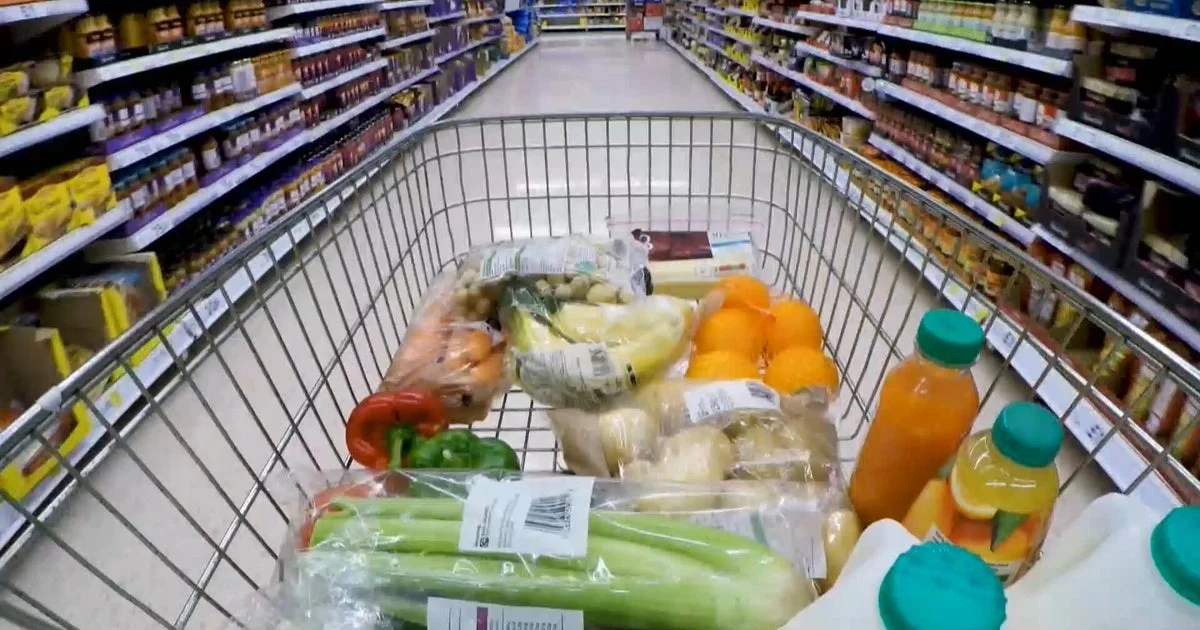
Food prices in the United States have seen a nearly 20% increase since 2022, and ongoing conflict involving Iran threatens to drive them higher, CBS News reports. Economic experts warn that disruptions related to the Iran war could worsen supply chain issues and inflation, leading to further food cost increases for American consumers.
Impact of the Iran conflict on food prices
The war in Iran creates additional uncertainty in global markets, particularly affecting energy and commodity supplies integral to food production and distribution. Increased oil prices driven by geopolitical tensions often translate into higher transportation and manufacturing costs, which in turn raise grocery prices. Analysts anticipate that consumers may continue to face steeper bills for everyday food items as the conflict persists.
Strategies for consumers to reduce grocery expenses
In response to rising food costs, financial advisors recommend several practical steps to help households maintain their budgets. These include planning meals ahead, buying in bulk when possible, choosing store brands instead of premium labels, utilizing coupons and discounts, and focusing on seasonal and locally sourced produce. Reducing food waste by properly storing leftovers and creatively using ingredients can also stretch grocery dollars further.
Why it matters
Inflating food prices disproportionately affect lower- and middle-income families, increasing the risk of food insecurity. With economic pressures mounting due to the Iran war, households are being pushed to adapt their spending habits quickly. Understanding how geopolitical events can influence everyday expenses empowers consumers to better prepare and manage their finances amid continued instability.
Background
Food price inflation had already been on the rise due to the lingering effects of the COVID-19 pandemic and supply chain disruptions. The Iran war adds a new layer of volatility to energy and commodity markets, both of which are critical inputs for agriculture and food distribution worldwide. Historically, conflicts in key oil-producing regions tend to ripple through global markets, affecting prices across multiple sectors, including food.
Read more World News stories on Goka World News.