
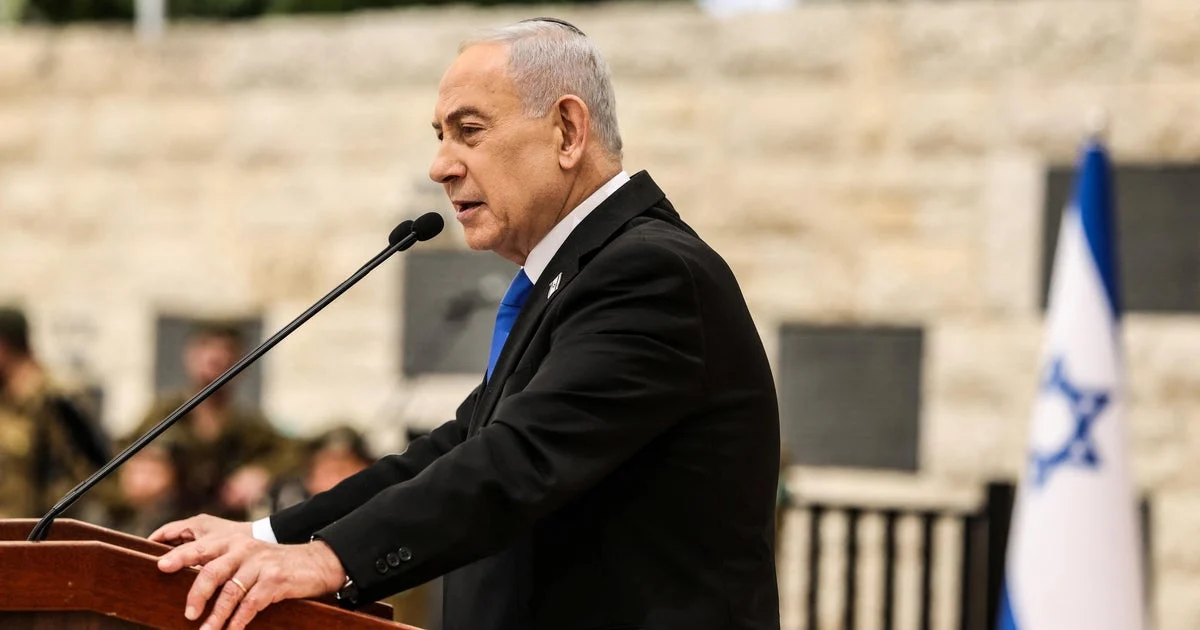
Israeli Prime Minister Benjamin Netanyahu announced on April 24, 2026, that he underwent treatment for early-stage prostate cancer 18 months prior. He revealed the diagnosis and successful removal of a small tumor, describing his current health as excellent.
Netanyahu shared the information in a post on the social media platform X, explaining he initially postponed disclosing his condition to prevent Iran from using it as “propaganda against Israel.” He noted that his annual medical report, scheduled for release two months earlier, was deliberately delayed at his request due to concerns about misinformation from Iran.
According to Netanyahu, the cancer was an early-stage malignancy identified as a “tiny spot of less than a centimeter” and has since been removed. He reassured the public about his physical condition following the treatment.
The Israeli prime minister also drew a parallel between his approach to handling personal medical issues and national security matters. “When I’m given information in time about a potential danger, I want to address it immediately. This is true on the national level and also on the personal level,” he wrote.
This announcement arrives as Netanyahu prepares for an upcoming visit to the White House to discuss efforts aimed at securing a more sustainable peace with Iran, beyond the fragile ceasefire currently in place. Since President Trump’s return to office in early 2025, Netanyahu has made a record six visits to the White House.
Most recently, Israel extended a U.S.-brokered ceasefire with Lebanon by three weeks, while tensions remain high with ongoing exchanges of fire between Hezbollah and Israeli military forces.
Why it matters
Netanyahu’s disclosure comes at a critical diplomatic moment, highlighting the intersection of his personal health and leadership role in managing Israel’s security challenges. The delayed announcement reflects concerns about how public perception can be influenced by adversarial propaganda, especially amid ongoing conflicts with Iran and Lebanon.
Background
Prostate cancer is one of the most common cancers among men globally, and early-stage detection generally offers a favorable prognosis. Leaders’ health disclosures often carry political and diplomatic weight, influencing public confidence and international relations.
Netanyahu’s long-standing tenure as Israel’s prime minister has been marked by complex regional disputes, including ongoing tensions with Iran and Hezbollah. The current ceasefire arrangements remain precarious, underscoring the strategic importance of his forthcoming talks in Washington.
Read more World News stories on Goka World News.