
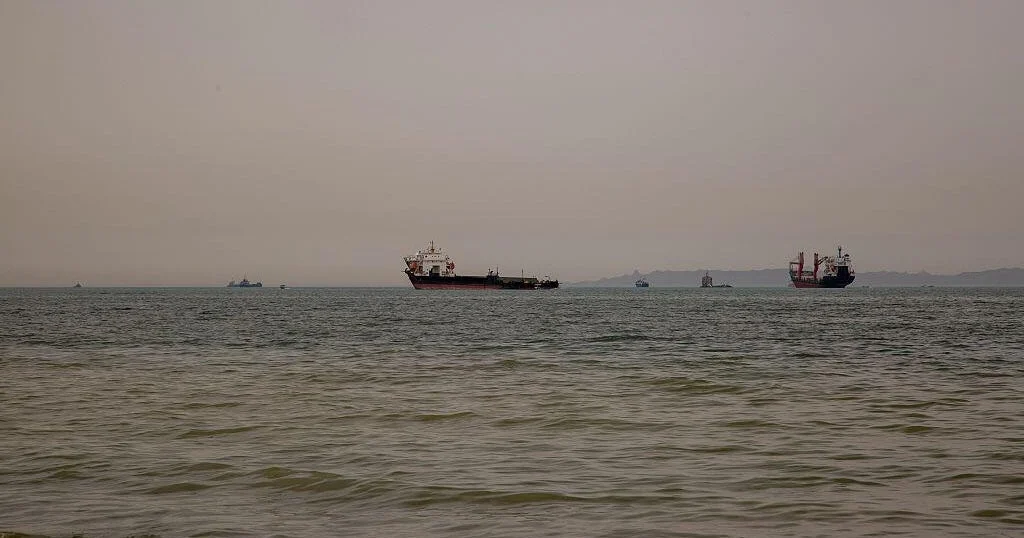
Chevron’s CEO Mike Wirth stated that U.S. naval escorts will likely be necessary to protect commercial vessels entering the Strait of Hormuz once it reopens, given recent security threats in the region. The statement highlights heightened concerns due to Iran’s aggressive posture and a U.S. blockade affecting the critical shipping lane.
During an interview on CBS’s “Face the Nation,” Wirth emphasized the importance of ensuring the safety of crew, cargo, and ships transiting the strait. “We’d have to believe that our people on the ship will be safe, the cargo will be safe, and they can be transited with a high degree of confidence,” he said. The CEO indicated that decisions about ship movements would be made in coordination with the U.S. Navy and other international military forces.
Wirth explained that initial transits might require naval protection due to multiple threats, including mines that could be placed in the waterway and land-based risks. “Having the Navy with those ships that make the first transit would provide a higher degree of confidence than if there were to be something [that] happened, that you’d have some measure of defense,” he added.
The Strait of Hormuz is a vital international waterway through which about 20% of global oil passes, making its stability essential to energy markets and global trade. The recent standoff has increased following Iran’s warnings against foreign vessels and the U.S. military’s blockade on Iranian ports, which has effectively closed the strait to some maritime traffic.
In recent developments, U.S. President Donald Trump ordered minesweepers to clear the strait and directed the U.S. Navy to engage Iranian boats placing mines, underscoring the escalating military tension in the area.
Why it matters
The Strait of Hormuz serves as a strategic chokepoint for global oil supplies; disruptions here can significantly impact energy prices and worldwide markets. Reliable security measures, including naval escorts, are crucial to preventing conflict escalation and ensuring uninterrupted fuel supplies.
Background
The tension in the Strait of Hormuz intensified amid the ongoing conflict between the U.S. and Iran, with the U.S. imposing naval blockades on Iranian ports and Iran threatening maritime security. This environment has led to multiple recent incidents at sea, raising concerns among energy companies about the safe passage of commercial vessels through the strait.
Read more Business stories on Goka World News.