
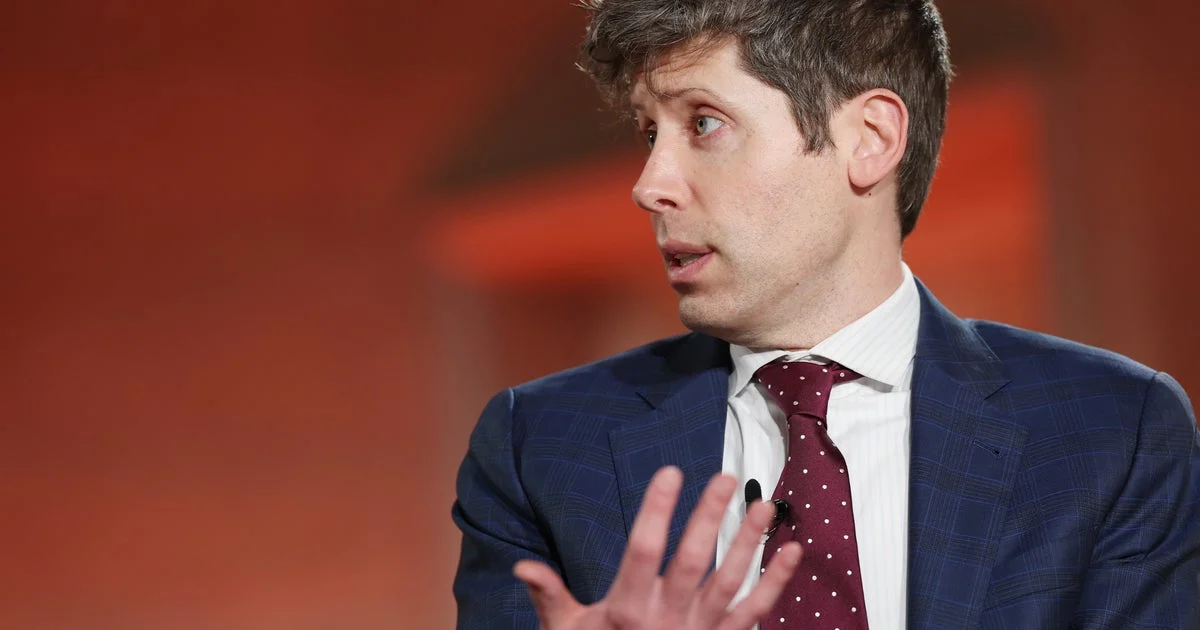
Jury selection begins Monday in a federal court case filed by Elon Musk against OpenAI and its CEO Sam Altman, accusing the AI company of violating its founding mission by prioritizing profits over its original nonprofit goals. Musk filed the lawsuit in 2024, challenging OpenAI’s transformation from a research lab into an $852 billion corporate entity.
The lawsuit alleges that Altman, OpenAI’s co-founder and president, along with OpenAI President Greg Brockman, betrayed an agreement to develop artificial intelligence technology altruistically. Musk is seeking an unspecified financial award aimed at funding OpenAI’s charitable efforts and demanding Altman’s removal from the company’s board.
OpenAI, which both Musk and Altman co-founded in 2015, debuted its breakthrough AI ChatGPT in 2022. Although Musk stepped down as co-chair in 2018, he continued donating $44 million through 2020 before withdrawing support due to the company’s shift to a for-profit model. Microsoft later became OpenAI’s largest investor.
The trial is presided over by Judge Yvonne Gonzalez Rogers in Oakland, California, with the jury serving in an advisory capacity. Opening statements may start as early as Tuesday. OpenAI called the lawsuit a “baseless and jealous bid to derail a competitor,” referencing Musk’s AI venture xAI, which launched the Grok chatbot in 2023 and competes with OpenAI’s offerings.
Why it matters
This high-profile legal battle highlights key issues in AI development, including corporate control, ethical stewardship, and profit motives in a transformative technology space. Experts note the case could influence governance models for AI research and intensify competition among leading AI firms such as OpenAI, xAI, and Anthropic. OpenAI’s planned public offering may further heighten stakes in the industry race.
The dispute reflects broader concerns over the direction of artificial intelligence and who ultimately benefits from its development—whether for public good or commercial gain. As Musk and Altman present conflicting narratives, the trial offers a rare glimpse into the governance and rivalry behind the AI revolution.
Background
OpenAI was established as a nonprofit organization dedicated to safe and equitable AI innovation. Elon Musk, one of its founding figures, departed from leadership roles early but retained financial involvement for several years. Over time, OpenAI adopted a capped-profit model to secure larger investments and accelerate development, leading to tension between original altruistic ideals and business ambitions.
Musk’s withdrawal of funding marked a turning point, coinciding with Microsoft’s investment and the rise of OpenAI’s commercial products like ChatGPT. Musk later founded xAI to compete in the AI space, intensifying the rivalry between the two camps.
Read more Major Tech Companies stories on Goka World News.
Sources
This article is based on reporting and publicly available information from the following source: