
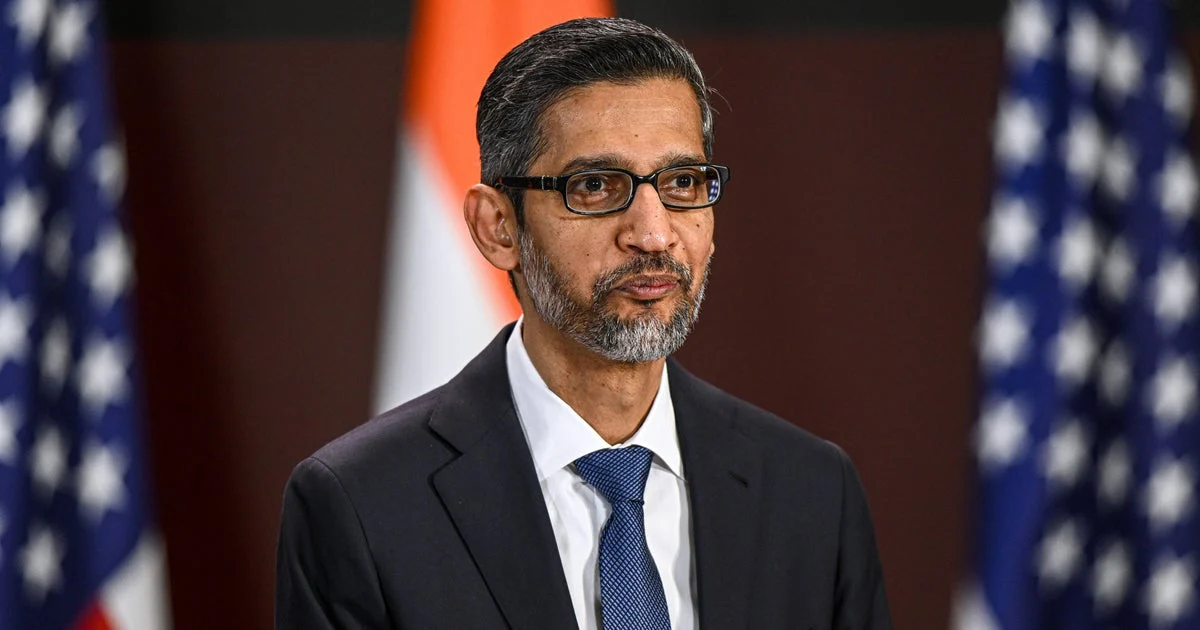
Hundreds of Google employees have signed an open letter urging CEO Sundar Pichai to refuse collaborations involving the company’s artificial intelligence systems with the U.S. Department of Defense for classified military applications. The workers expressed concern that deploying Google’s AI in such settings could lead to unethical or harmful uses.
The letter highlights worries about AI technology being employed for lethal autonomous weapons, mass surveillance, and other potentially dangerous military purposes. The signatories emphasize their responsibility to prevent Google’s technology from contributing to what they describe as “inhumane or extremely harmful” outcomes.
“Making the wrong call right now would cause irreparable damage to Google’s reputation, business and role in the world,” the letter states, reflecting anxiety about the long-term implications of involvement in classified defense projects.
According to earlier reporting by The Information, Google is in negotiations with the Pentagon to potentially provide AI systems for classified work. Neither Google nor the Department of Defense immediately responded to requests for comment on the open letter.
The debate over military AI partnerships follows a recent agreement between OpenAI and the Pentagon, wherein the defense department committed not to use OpenAI’s technology for mass domestic surveillance or to control autonomous weapons. This context places Google’s considerations amid growing scrutiny of how commercial AI is integrated into defense operations.
Why it matters
This employee pushback underscores the ethical dilemmas companies face as they navigate AI development with potential military applications. Google’s decision could influence public trust in the company and set a precedent for how tech firms balance innovation with social responsibility in emerging AI fields.
Background
Google has historically faced internal and external controversy over its involvement with the Department of Defense, notably regarding the termination of its Project Maven contract in 2018 amid staff protests. The current negotiations mark a renewed intersection between AI technology and defense interests, as AI capabilities rapidly evolve.
Read more Major Tech Companies stories on Goka World News.
Sources
This article is based on reporting and publicly available information from the following source: