
President Donald Trump is currently evaluating a proposal from Iran to remove restrictions on the Strait of Hormuz, a strategic waterway crucial for global oil shipments. The offer comes amid ongoing hostilities between the U.S.-led coalition and Iran, as well as unrest involving Israeli and Hezbollah forces in Lebanon, which further complicates regional stability.
Trump publicly stated on social media that Iran informed the U.S. it is in a “state of collapse,” though no further details or sources for this claim have been provided. Meanwhile, on the ground, reports from CBS News indicate that Iran’s government remains in control, contradicting assertions of collapse. The country is experiencing serious economic strain with shortages and inflation, but the regime appears to maintain internal order.
Maritime Tensions and Enforcement
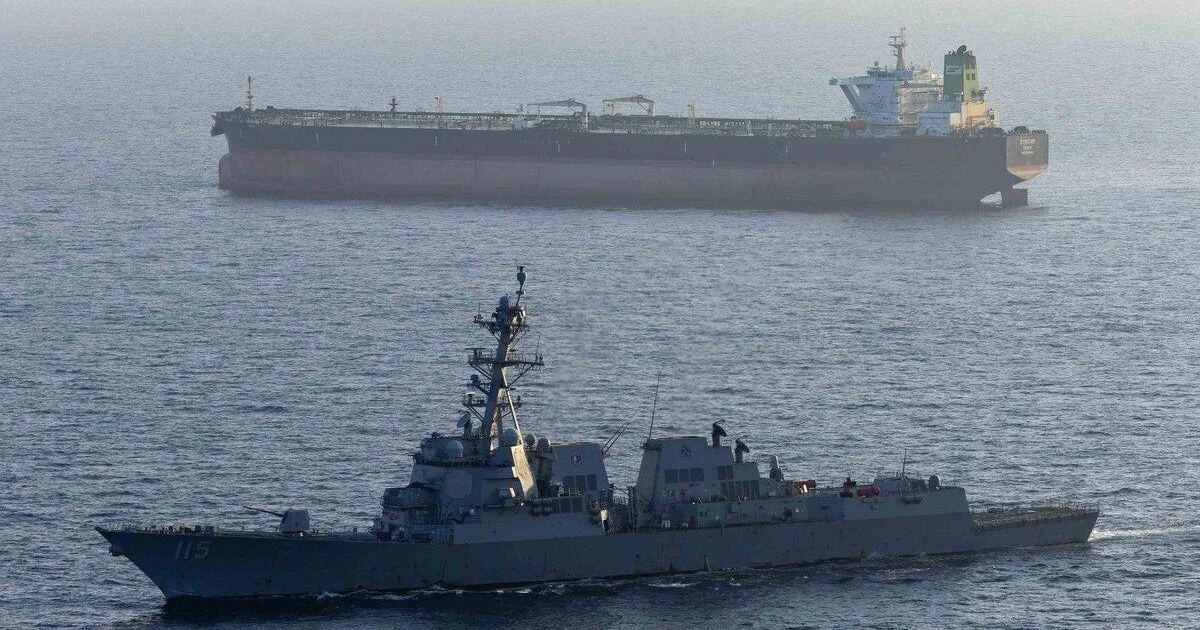
U.S. military forces recently boarded and inspected a commercial ship in the Arabian Sea suspected of violating the U.S. blockade intended to restrict Iran’s ability to export oil. After confirming the vessel would not dock at an Iranian port, it was released. The U.S. Central Command continues to redirect ships to enforce the blockade, with 39 ships rerouted so far.
Impact on Oil Prices and Global Markets
Disruptions through the Strait of Hormuz have contributed to a surge in international oil prices. Brent crude futures exceeded $112 per barrel, fueling concerns about rising energy costs worldwide. In the United States, average gasoline prices reached $4.18 per gallon, marking the highest level since the start of the conflict in late February. This increase follows a temporary dip that briefly raised hopes for a ceasefire and de-escalation.
Escalating Regional Conflict
Hostilities between Israel and Hezbollah persist in Lebanon, with Israeli forces targeting alleged Hezbollah tunnel networks near the border, including facilities equipped for combat operations and drone launches. This escalation threatens ongoing ceasefire agreements and complicates broader peace negotiations involving Iran.
Why it matters
The Strait of Hormuz is a vital chokepoint through which about a third of the world’s traded oil passes. Any disruption there has significant implications for global energy markets and geopolitical stability. The U.S. blockade and Iran’s response affect not only regional security but also international oil supply chains and prices. How President Trump responds to Iran’s latest offer could influence the trajectory of the conflict and the prospects for easing tensions in one of the world’s most volatile regions.
Read more Politics stories on Goka World News.
Sources
This article is based on reporting and publicly available information from the following source: