
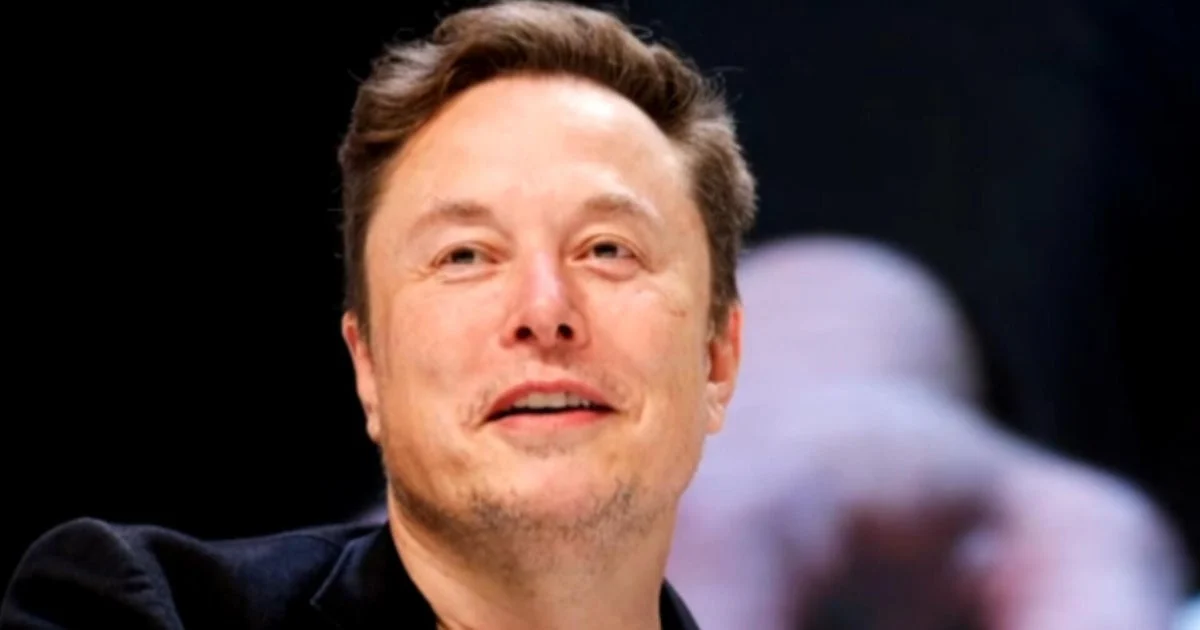
Elon Musk testified in a California federal court on Wednesday that he was a “fool” for financially supporting OpenAI, the creator of ChatGPT, after the company shifted away from its original nonprofit mission.
Musk’s Lawsuit Alleges Betrayal of OpenAI’s Founding Vision
The Tesla and SpaceX founder brought a civil lawsuit claiming OpenAI CEO Sam Altman and President Greg Brockman violated their founding agreement by converting OpenAI from a nonprofit focused on benefiting humanity into a profit-driven company. Musk said he provided $38 million to OpenAI between December 2015 and May 2017 under assurances it would remain a nonprofit entity.
He explained his perspective evolved over time, starting with enthusiasm then growing into doubt, and by late 2022, feeling that OpenAI leadership had “betrayed their promise.” Musk’s legal action seeks to remove Altman from OpenAI’s board and could potentially disrupt the company’s plans for an initial public offering (IPO).
OpenAI Rejects Musk’s Claims
OpenAI responded by denying any permanent promise to remain nonprofit, stating company leaders never assured Musk the status would be unchanged indefinitely. The company contended Musk’s lawsuit aims to hinder OpenAI’s rapid expansion and promote his own rival AI venture, xAI, launched in 2023.
The trial began Monday in the U.S. District Court for the Northern District of California and is expected to last about four weeks.
Trial Highlights and courtroom exchanges
During cross-examination, Musk resisted what he described as tricky questioning about his early involvement, including emails suggesting different company structures and tax considerations. When asked to confirm that OpenAI was formed as a nonprofit in 2015, Musk acknowledged it but cautioned the situation was complex.
Judge Yvonne Gonzalez Rogers intervened to maintain clarity and court decorum. Musk indicated his initial goal included acquiring a majority stake and control of a majority of OpenAI’s board, but anticipated dilution as more investors joined, similar to his experience with Tesla’s evolving ownership.
OpenAI disputed this characterization, asserting Musk was never guaranteed a relinquished majority board stake and that he aimed to assume control of the company for himself.
Why it matters
The trial carries significant implications for the governance and future of OpenAI, which is valued above $85 billion and plays a pivotal role in the development of artificial intelligence technologies. The case could influence investor confidence, corporate control, and the regulatory landscape surrounding AI innovation.
Read more Major Tech Companies stories on Goka World News.
Sources
This article is based on reporting and publicly available information from the following source: