
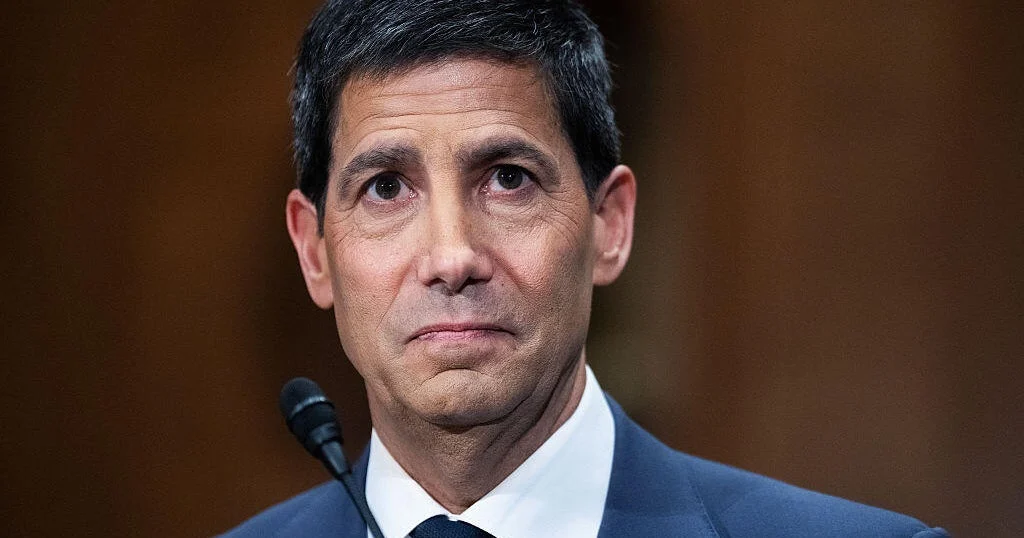
The Senate Banking Committee voted on April 29 to advance Kevin Warsh’s nomination as chair of the Federal Reserve, putting him a step closer to succeeding Jerome Powell when his term ends next month. The vote was divided along party lines, with 13 Republicans supporting Warsh and 11 Democrats opposing him.
Senator Tim Scott of South Carolina, who chairs the committee, emphasized Warsh’s experience, stating, “Kevin Warsh’s leadership is absolutely essential now at the Federal Reserve than ever before,” highlighting his prior tenure as a Fed governor during a financial crisis.
The nomination will now move to the full Senate, where a simple majority is needed for confirmation. A Senate vote is anticipated during the week of May 11, according to a spokesperson from Senator Elizabeth Warren’s office. If confirmed, Warsh would become the 17th chair of the Federal Reserve since its establishment in 1913 and is expected to assume the role at the Fed’s June meeting after Powell’s term officially expires on May 15.
Challenges and Developments Surrounding the Nomination
Senator Thom Tillis, a North Carolina Republican on the Banking Committee, had previously threatened to block Warsh’s nomination pending the Justice Department’s investigation into Powell regarding renovations at the Fed’s Washington headquarters. However, U.S. Attorney Jeanine Pirro announced on April 24 that her office would close the probe. Following this announcement, Tillis indicated his willingness to support advancing Warsh’s nomination.
During his Senate testimony last week, Warsh pledged to maintain “strict independence” in monetary policy decisions amid concerns about political pressure from President Donald Trump, who has publicly urged the Fed to cut interest rates. Warsh denied ever being asked by the president to predetermine or fix interest rate decisions and affirmed he would never comply with such requests.
Concurrent Federal Reserve Meeting
The committee’s vote coincided with a Federal Reserve meeting on the same day, during which officials were expected to keep the benchmark interest rate steady.
Why it matters
Confirming Warsh as Fed chair comes at a critical time as the central bank navigates post-pandemic economic recovery, inflation pressures, and market volatility. The chair’s leadership style and decisions on interest rates will significantly influence economic conditions in the United States and globally. The Senate’s decision will determine if Warsh can provide continuity or shift policy direction following Powell’s tenure.
Read more Politics stories on Goka World News.
Sources
This article is based on reporting and publicly available information from the following source: