
The US government is currently in conflict with AI company Anthropic over granting the Pentagon unrestricted access to its AI models, a dispute raising broader questions about how the US should assert influence in the rapidly evolving AI sector. The Trump administration’s approach of leveraging government contracts to control access has sparked legal battles and concerns about overreach. Experts argue the US would be better served focusing on establishing AI standards and governance frameworks, similar to how the country shaped the early internet.
Government vs. Private AI Companies
Anthropic’s refusal to provide the Pentagon with open access to its AI models has led to the Trump administration designating the company a national security supply chain risk. This designation has resulted in ongoing legal challenges. Despite these tensions, major AI developers like Anthropic and OpenAI have the resources to operate independently of US government contracts, reducing the government’s leverage.
Unlike foundational internet technologies initially developed with US government funding, modern commercial AI systems have mainly emerged from private sector innovation. This difference places the US government at a disadvantage in direct influence over AI’s development compared to the early days of the internet.
The Case for AI Standards over Contractual Control
Leading voices suggest that rather than attempting to strong-arm AI companies through contracts and restrictions, the US should invest in developing AI standards and interoperability protocols. The internet’s dominant protocols, such as domain names and IP addresses, provided a structural center that the US government helped develop and regulate, giving America lasting influence over the digital economy.
AI currently lacks a similar structural center, but emerging areas like agent interoperability—the protocols that govern AI systems communicating and transacting across organizations—may offer such a framework. The Biden-era National Institute of Standards and Technology (NIST) initiative, rebranded by the Trump administration as the Center for AI Standards and Innovation (CAISI), is already working on AI agent standards aimed at fostering coordination and interoperability in AI.
Why it matters
Securing leadership in AI standards will position the US to capture significant economic value in AI technologies over the coming decades. The internet’s economic impact over the past 30 years was underpinned by standards initially shaped by US government policies and institutions. Repeating this success with AI requires fostering trust and buy-in from the global community for US-led governance frameworks.
However, aggressive government actions that alienate AI companies risk undermining US credibility internationally, echoing past controversies—such as the Bush administration’s blocking of the .xxx internet domain—that weakened US influence in internet governance.
Background
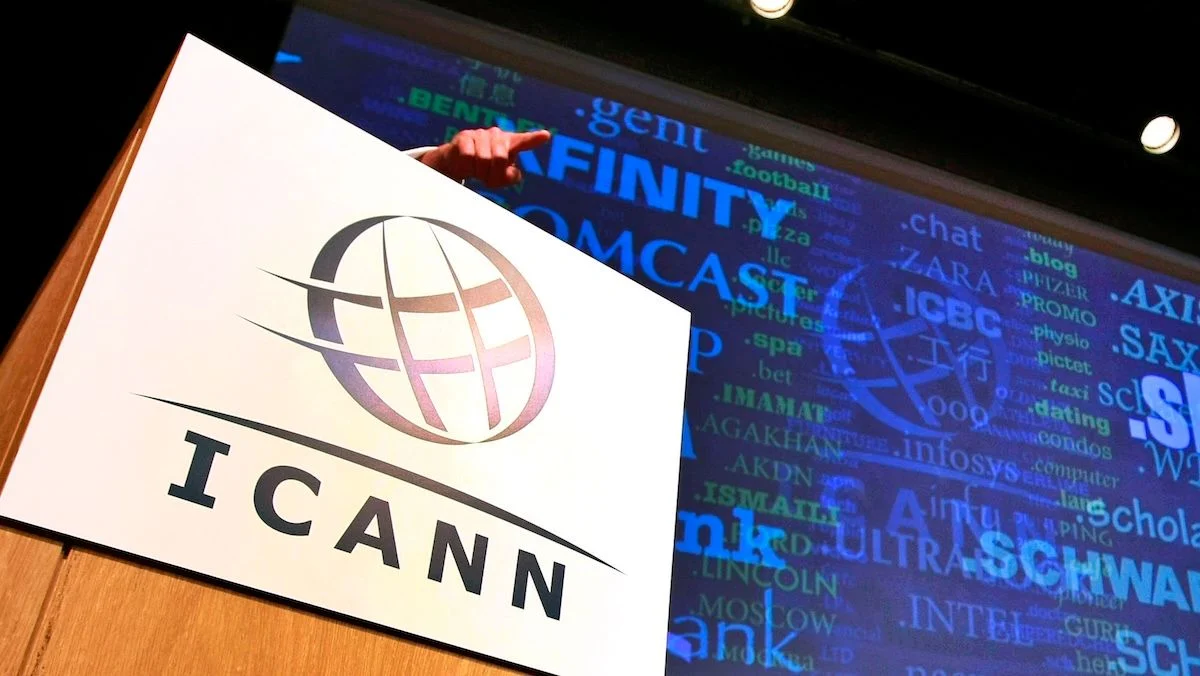
The US government played a key role in the early development of the internet by funding research through agencies like DARPA and managing central governance points such as domain name allocation. Over time, the US transitioned control to a global multi-stakeholder community, preserving the standards and norms it had established.
In contrast, leading-edge AI models today originate primarily from private companies without direct government involvement, complicating traditional government approaches to control and influence.
Read more AI Regulation stories on Goka World News.
Sources
This article is based on reporting and publicly available information from the following source: