
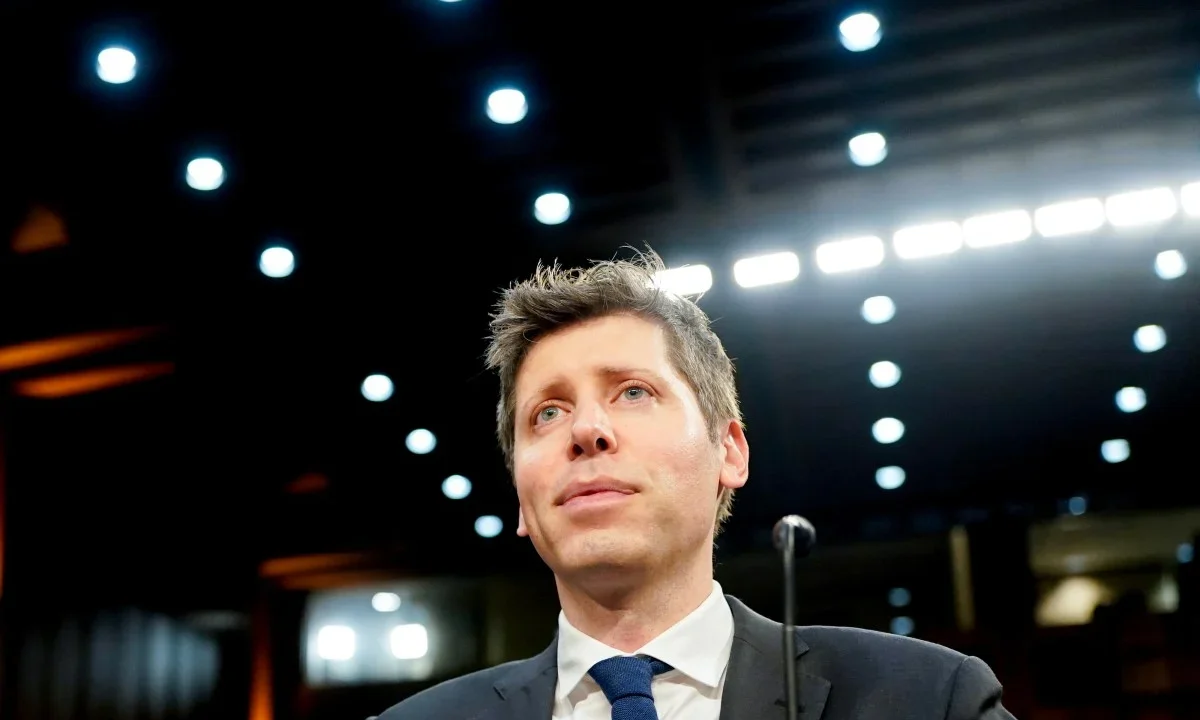
Elon Musk spent nearly three days this week testifying in his ongoing lawsuit against OpenAI, focusing on the company’s transition from a nonprofit to a for-profit entity. Musk alleges that OpenAI’s CEO, Sam Altman, violated initial commitments by converting the organization’s structure, a claim backed by emails, texts, and Musk’s own public statements.
Details of Musk’s Testimony
Musk appeared in court to support his argument that OpenAI’s shift to a for-profit model betrayed its original nonprofit mission. Evidence presented during the testimony included internal communications and Musk’s tweets, which highlighted his concerns about the company’s direction and transparency.
The lawsuit centers on Musk’s contention that OpenAI’s change in status poses risks that deviate from its stated goal of safe and ethical AI development. Musk’s legal team emphasizes the potential consequences of prioritizing profit over public interest in AI research.
Additional Witnesses Expected
The case is far from concluded, with multiple witnesses scheduled to provide further testimony that could clarify OpenAI’s governance decisions and the roles of its leadership during the transition. The courtroom revelations so far have revealed tensions between OpenAI’s founders and Musk, underscoring a complex dispute about the company’s future path.
Why it matters
The lawsuit highlights broader concerns about AI governance and ethical considerations in rapidly advancing technologies. OpenAI’s evolution from a nonprofit to a for-profit entity raises questions about balancing innovation, profitability, and public responsibility in AI development. The case could set important precedents for how similar organizations approach corporate structure and transparency going forward.
Sources
This article is based on reporting and publicly available information from the following source:
Read more Major Tech Companies stories on Goka World News.