
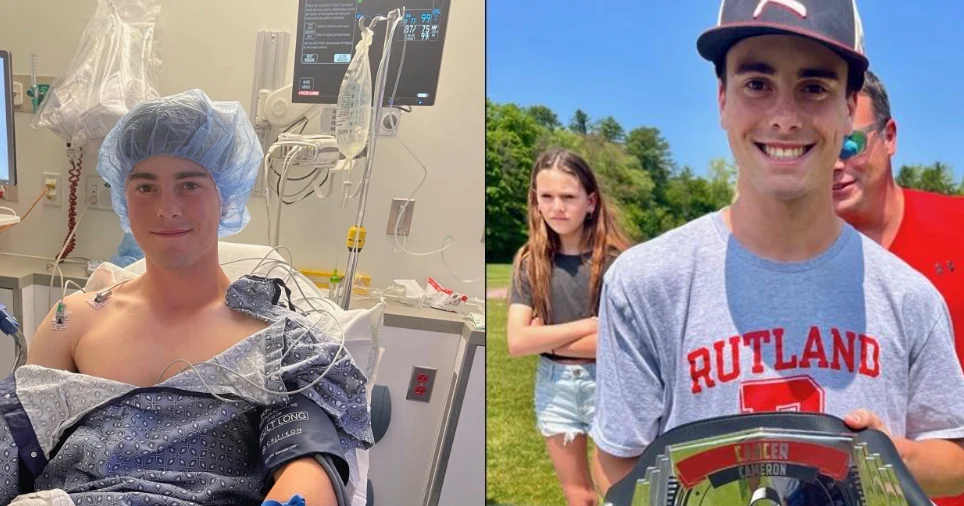
Cameron Rider, a 16-year-old athlete from Vermont, developed severe fatigue and breathing difficulties during football practice, which were initially attributed to pneumonia but later diagnosed as a rare lung cancer.
Rider, who had previously participated in hockey and baseball, started experiencing escalating symptoms during preseason football practices in August. Despite treatment with antibiotics for pneumonia, his condition worsened with persistent fevers and body aches. After multiple hospital visits and recurrent pneumonia diagnoses, specialists conducted a bronchoscopy—an examination of the lungs and airways. During this procedure, doctors discovered a lung mass and removed part of it for testing.
Medical analysis confirmed Rider had mucoepidermoid carcinoma, an uncommon cancer typically affecting salivary glands but in this case growing in his lung. This cancer is characterized by slow tumor growth, and surgery is generally the primary treatment option.
Rider chose to undergo treatment at Massachusetts General Brigham Cancer Institute, drawn by the expertise of the surgical team and a projected shorter recovery time of six to eight weeks. Dr. Danielle Cameron, the surgical director for pediatric oncology, performed an eight-hour left upper lobectomy to remove the entire tumor. The successful surgery meant Rider’s cancer could be considered cured.
The recovery was challenging and painful, as Rider worked to adapt to the absence of part of his lung and regain respiratory function. Within a week, he was mobile around the hospital and was eventually discharged to recover at home. Though he missed most of his baseball season, Rider returned to sports in the fall, playing soccer just months after surgery.
Now 19, Rider is actively applying to colleges, working as a sports referee, and continues to play ice hockey. He undergoes regular medical surveillance, including annual scans, to monitor for any cancer recurrence. Dr. Cameron described his outcome as “perfect” and praised his athletic resilience post-surgery.
Reflecting on his experience, Rider acknowledged the lasting effects on his lung capacity but said he has adjusted well and gained a deeper appreciation for everyday health and abilities.
Why it matters
This case highlights the importance of thorough medical evaluation in young athletes with persistent respiratory symptoms, demonstrating how initial diagnoses can mask serious conditions such as lung cancer. Early identification and surgical intervention can lead to successful treatment outcomes, even in rare cancers.
Background
Mucoepidermoid carcinoma is a rare malignancy most commonly found in salivary glands, with occasional occurrence in the lungs. It typically grows slowly and is treated primarily through surgical removal of the tumor. Symptoms can mimic respiratory infections, complicating early diagnosis.
Sources
This article is based on reporting and publicly available information from the following source:
Read more Health & Public Health stories on Goka World News.