
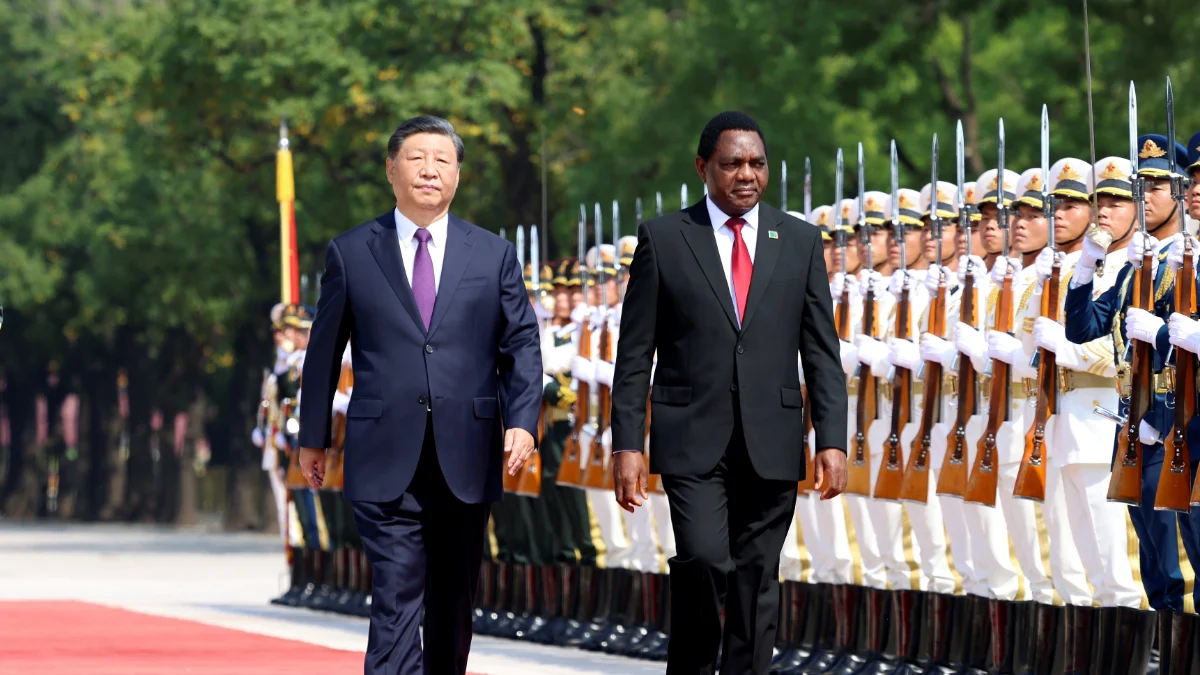
The digital rights conference RightsCon was abruptly canceled in Zambia after Chinese diplomats pressured the Zambian government to exclude Taiwanese civil society representatives, according to organizers and official statements. The cancellation marks a significant escalation of China’s transnational repression tactics and underscores its expanding influence in Africa’s digital governance landscape.
Zambia Cancels RightsCon Under Chinese Pressure
AccessNow, the organizer of RightsCon, disclosed on May 1 that Chinese diplomats contacted the Zambian government on April 27 to object specifically to the participation of Taiwanese civil society groups at the conference, scheduled to take place in Lusaka. The Zambian government cited the need to align the conference’s themes with its “national values” and “policy priorities,” effectively excluding sensitive topics related to Taiwan and China’s global influence.
The move followed a $1.5 billion investment agreement between China and Zambia signed just days earlier on April 23, targeting Zambia’s energy infrastructure. Despite AccessNow’s objections, the Zambian government did not reverse its decision, leading to the unprecedented cancellation of the event.
China’s Growing Influence in Africa’s Digital Sphere
China’s footprint across Africa extends beyond economic investments to a wide range of digital technologies and governance initiatives. Research by Taiwan’s Doublethink Lab and other groups shows China’s involvement in surveillance systems, internet censorship tools, and digital infrastructure throughout the continent.
In addition to technology exports, China plays an active role in shaping digital governance norms, as seen in cooperative agendas set through forums like the Forum on China Africa Cooperation (FOCAC). China has pushed cybersecurity and artificial intelligence partnerships, alongside efforts to influence media narratives in African countries, reflecting a broader strategy to advance its model of “cyber sovereignty.”
Transnational Repression Against Taiwan
China’s pressure on Zambia to exclude Taiwanese participants fits within a wider pattern of coercion aimed at isolating Taiwan diplomatically. Recently, Taiwan’s president was forced to cancel a foreign trip after multiple African nations revoked overflight permits under Chinese pressure. Beijing’s recent legal measures further target Taiwanese political figures and activists, asserting jurisdiction over overseas activities related to Taiwan’s independence.
China’s Digital Governance Vision and Global Norms
China promotes a state-centric model of digital governance that contrasts with the inclusive multistakeholder approach favored by much of the global digital rights community. Chinese officials advocate “true-multilateralism,” emphasizing state control and limiting civil society involvement in international internet policy forums. This vision is grounded in its 2010 White Paper on Internet policy, which frames internet regulation as an extension of national sovereignty, often at odds with principles of universal rights and internet freedom.
China’s interference in RightsCon is a vivid example of this approach, raising concerns about its role as host for other global digital forums such as the Internet Engineering Task Force meeting in Shenzhen and the upcoming ITU World Radiocommunication Conference in Shanghai.
Why it matters
The cancellation of RightsCon under Chinese pressure signals an alarming rise in authoritarian influence over global digital rights forums, threatening free expression and multistakeholder governance models worldwide. It spotlights the urgent need for diplomatic and civil society strategies to counterbalance China’s growing political and technological sway, particularly in Africa, where alternatives to China’s model remain limited.
Moreover, the incident underscores the importance of supporting Taiwanese civil society’s participation in global forums, as their digital rights expertise is critical in confronting the distinct information controls imposed by Beijing. The event calls for renewed international commitment to governance frameworks rooted in human rights and inclusive participation.
Background
RightsCon is a prominent global gathering of digital rights advocates, policymakers, and technologists focused on promoting internet freedom and human rights in the digital age. The conference typically features multistakeholder discussions that include civil society groups from diverse geopolitical backgrounds.
China’s influence in Africa has expanded dramatically over the past decade, with significant investments in infrastructure accompanied by efforts to export its surveillance and censorship technologies. These trends coincide with growing geopolitical competition, including the reduction of Western funding for digital rights initiatives, which China leverages to strengthen its position.
The broader context also includes China’s recent legislative and judicial assertiveness related to Taiwan, escalating diplomatic isolation efforts, and legal actions against Taiwanese activists abroad—components of a comprehensive strategy to suppress dissent and tighten control over digital and political spaces beyond its borders.
Sources
This article is based on reporting and publicly available information from the following source:
Read more Digital Policy stories on Goka World News.