
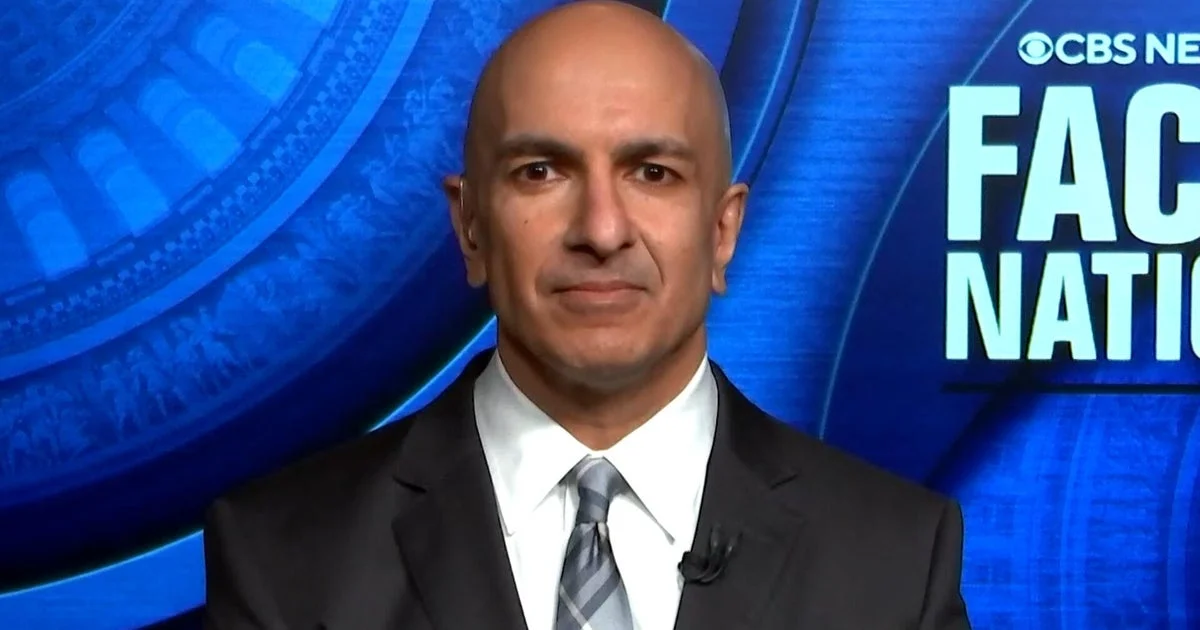
Minneapolis Fed President on Interest Rates
Neel Kashkari, president and CEO of the Federal Reserve Bank of Minneapolis, warned that the future direction of U.S. interest rates remains uncertain due to unfolding geopolitical events. Speaking on CBS News’ “Face the Nation,” Kashkari highlighted that while many economists have anticipated a potential interest rate cut, policymakers should remain open-minded about rate adjustments given the unpredictable impact of tensions in the Middle East.
Geopolitical Risks Impacting Monetary Policy
Kashkari specifically pointed to developments in the Middle East as a source of uncertainty that could influence inflation expectations and economic stability. Such geopolitical risks may prompt the Federal Reserve to reassess its current monetary policy stance, which had previously focused on gradually lowering rates after a series of increases meant to curb inflation.
Context for Federal Reserve Decisions
The Federal Reserve raised interest rates multiple times through 2022 and 2023 in response to high inflation levels. Market watchers have since speculated about when and how the Fed might begin easing rates to support economic growth. Kashkari’s comments underscore the complexity of these decisions amid global uncertainties that could disrupt energy markets, supply chains, or financial conditions.
Why it matters
The Fed’s management of interest rates critically affects borrowing costs, consumer spending, and investments across the U.S. economy. Unanticipated geopolitical shocks may delay expected rate cuts or even necessitate additional tightening if inflationary pressures rise, affecting markets and household finances. Kashkari’s call for openness signals the Federal Reserve’s readiness to adapt policy as conditions evolve.
Sources
This article is based on reporting and publicly available information from the following source:
Read more Business stories on Goka World News.