
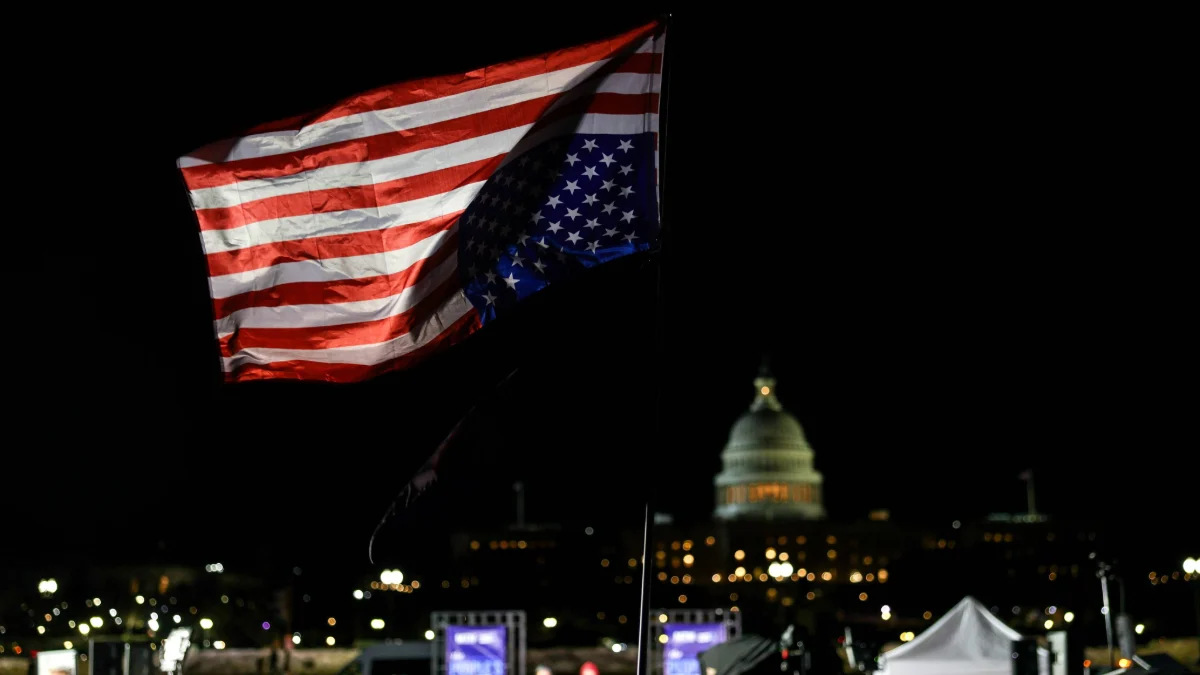
In 2026, technology policy has become a critical battlefield in the ideological clash between fascism and democracy in the United States. Industry experts and advocates argue that continuing to treat tech policy as a neutral arena ignores the broader political context of President Donald Trump’s administration and its alliance with powerful Silicon Valley figures advancing authoritarian agendas.
Tech Policy as a Frontline in Democratic Defense
Once considered a domain of bipartisan cooperation, tech policy now plays a vital role in defending democratic institutions. Key voices, such as Techdirt founder Mike Masnick, have framed current events as a hybrid collapse of democratic norms combined with tech industry power grabs. Masnick stresses that attacks on American institutional structures threaten the foundations of innovation, civil liberties, and open discourse.
Similarly, tech policy experts including Courtney Radsch of the Open Markets Institute emphasize that resisting authoritarian tendencies hinges on sound tech governance. Yet many professionals in the field still approach policies as if the U.S. were a stable liberal democracy, which critics say amounts to tacit appeasement or unwitting collaboration with undemocratic forces.
Risks of Age Verification and Surveillance Expansion
One example of problematic tech policy is the push for online age verification mechanisms to protect minors. While the goal resonates with social concerns, the technical implementations often require users to share sensitive biometric data or official IDs, raising privacy and civil liberties alarms. Without strict legal protections ensuring data minimization and purpose limitation, personal information could be exploited by private companies or accessed by government agencies for political persecution.
As Jake Laperruque of the Center for Democracy and Technology points out, such systems risk creating a “papers, please” internet that undermines anonymity and enables intrusive state surveillance. Given the post-2025 federal government’s apparent willingness to target political opponents, experts warn that the current environment cannot safeguard users against abuses linked to age assurance technologies.
Authoritarian Alignments Within the Tech Industry
The political economy surrounding “artificial intelligence” and broader tech sectors reveals alignment with authoritarian agendas. Prominent figures such as Sam Altman, Marc Andreessen, and Mark Zuckerberg openly support elements of the MAGA movement. Although some industry leaders show more ambivalence, the overall trend reflects a convergence with anti-democratic forces.
Critics reject the “AI for Good” narrative as disconnected from industry realities, noting that the economic model prioritizes replacing labor and dismantling social safety nets rather than advancing human rights or democracy. Thought leaders advocate for a pragmatic approach that critically examines technologies beyond hype, considering their embedded values and political-economic motivations.
Why it matters
The intersection of tech policy and democratic governance has immediate implications for civil liberties, privacy, and the rule of law in the United States. As authoritarian influences grow within key tech sectors, policy debates that ignore these dynamics risk enabling further erosion of democratic norms. Recognizing the political context is essential to developing safeguards that protect vulnerable populations and maintain an open, accountable digital ecosystem.
Sources
This article is based on reporting and publicly available information from the following source:
Read more Digital Policy stories on Goka World News.