
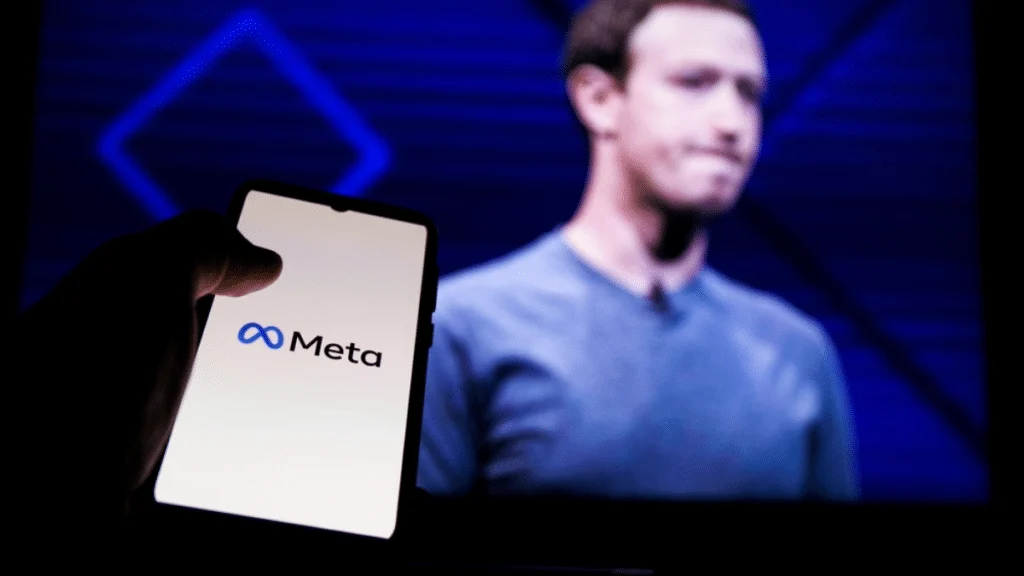
Meta has begun installing surveillance software on all U.S. employee work computers to collect detailed behavioral data, a move that tests the boundaries of European privacy and labor regulations. The system, named the Model Capability Initiative (MCI), logs every mouse movement, click, keystroke, and periodically captures screenshots to build training data for AI agents designed to automate work tasks. European staff are exempt from this surveillance due to stricter data privacy laws.
Meta’s AI Data Collection and Business Shift
The collected data aims to fill a critical shortage of high-quality training data necessary for agentic AI models—software capable of performing tasks autonomously but which struggle to mimic human-computer interactions. Meta’s internal communications reveal plans to eventually market these AI agents as enterprise solutions to other employers, marking a strategic pivot from its previous focus on virtual reality.
Following a $14 billion investment for a 49% stake in AI agent company Scale AI, Meta integrated Scale’s leadership into its “superintelligence” team. Scale’s CEO highlighted the scarcity of valuable agent training data, motivating Meta to leverage its large workforce of approximately 80,000 employees as a data source.
Privacy, Labor Rights, and Regulatory Challenges
Meta has stated that the surveillance data will not be used for employee performance management, in contrast to common practices in sectors employing warehouse or gig workers. European regulatory officials referenced the General Data Protection Regulation (GDPR) and the AI Act as frameworks limiting personal data use for AI training and banning emotional inference from employee data.
However, these regulations do not address broader issues such as the collective impact of using employee data to train models that could render many jobs redundant or disrupt labor markets. Meta’s refusal to allow workers to opt out of the monitoring on their work devices raises concerns over involuntary data capture, a concept termed “captured capital” by labor law experts. This practice carries parallels with content creators contesting unauthorized use of their works in generative AI training but lacks comparable legal or public support among employees.
European Policymakers Respond
European Parliament members acknowledge gaps in digital workplace privacy laws. Li Andersson, chair of the Employment and Social Affairs committee, criticized current legislation as inadequate to protect workers when data is pooled to train corporate AI systems. Last December, the Parliament passed proposals aiming to regulate automated hiring and firing systems and increase worker involvement in AI governance at work.
The European Commission has indicated plans for a “Quality Jobs Act” later this year, which may address algorithmic management. Yet, discussions are ongoing regarding a proposed regulatory “omnibus” package that could potentially undermine existing digital rights protections, a prospect met with resistance from labor advocates.
Why it matters
Meta’s employee surveillance initiative underscores the pressing need for clearer regulations on collecting and using workplace behavioral data for AI development. As AI technologies increasingly influence employment decisions, gaps in current privacy and labor protections could lead to significant worker displacement and shifts in labor value worldwide. This case serves as a critical test for balancing innovation with employee rights within the evolving AI landscape.
Sources
This article is based on reporting and publicly available information from the following source:
Read more Digital Policy stories on Goka World News.