
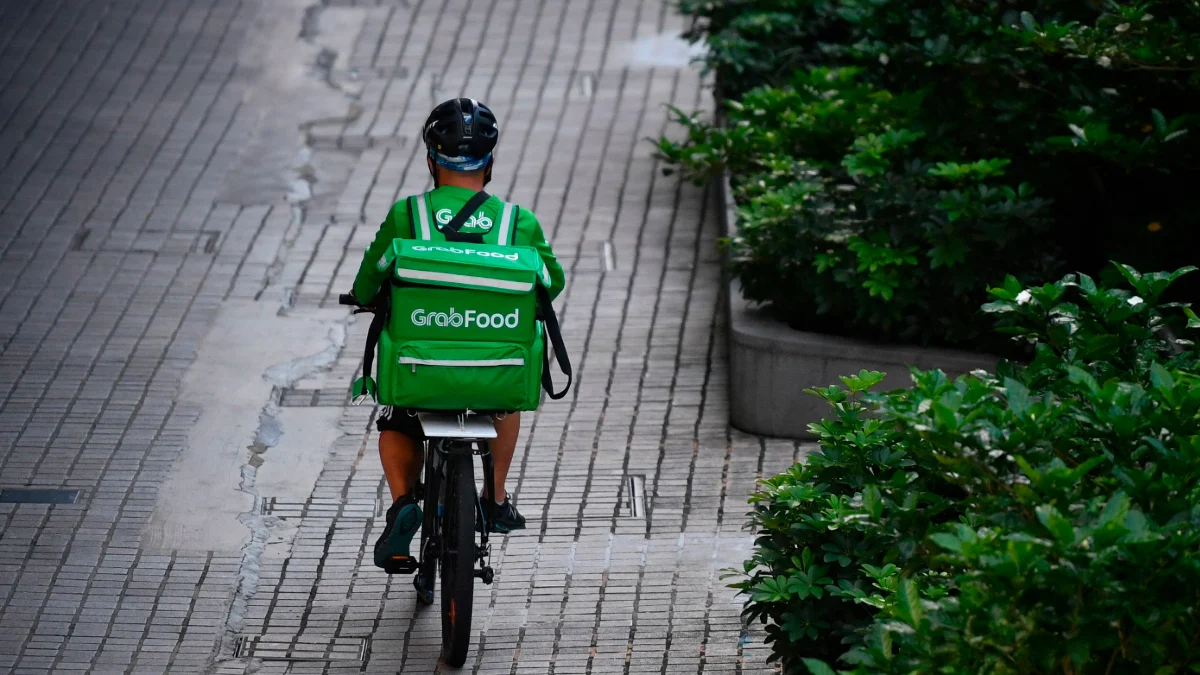
Singapore and Malaysia have passed new laws regulating gig economy labor, introducing social protections and safety measures for platform workers without reclassifying them as employees.
Singapore’s Platform Workers Act took effect in January 2025, establishing a distinct worker category for those reliant on digital platforms, such as ride-hailing drivers and delivery riders. The law mandates social security contributions to the Central Provident Fund (CPF) for platform workers born in 1995 or later, while older workers’ contributions remain voluntary. Platforms must also provide work injury compensation insurance equivalent to that of regular employees. For the first time, platform workers gained rights to representation through Platform Work Associations linked to Singapore’s National Trade Union Congress (NTUC).
Malaysia followed with its Gig Workers Act, approved in September 2025 and effective from March 31. Unlike Singapore’s approach, Malaysia’s law covers a broader group including freelancers—creatives, artists, translators, and journalists—alongside platform workers. It provides protections such as social security, transparency requirements in service agreements, and bans discrimination. Instead of union representation, Malaysia established a Tripartite Council composed of government, platforms, and gig worker representatives to advise on income rates and working standards. Disputes are handled first by the Industrial Relations Department, with the Gig Workers Tribunal serving as an appellate body.
Legislative Approach and Worker Responses
Both countries preserve traditional employment classifications, defining gig workers as independent contractors rather than employees. This contrasts with the European Union’s Directive, which presumes employer status for platforms exerting control over workers.
Despite expanded protections, gig workers face frustration with lower take-home pay and limited transparency around algorithmic management on platforms. In Singapore, key platforms including Grab, Deliveroo, and Food Panda have agreed on principles to ensure fair and transparent earnings, notification of changes to incentive schemes, and compliance with health and safety guidelines. However, some workers remain skeptical of NTUC-affiliated associations due to perceived close ties with Singapore’s ruling party and limited union autonomy.
Malaysia’s gig worker advocates are cautiously optimistic about the Tripartite Council’s potential to increase transparency and curb unilateral decisions by platforms, though the council lacks legislative authority, depending instead on government officials for final rulings.
Challenges Remain Over Algorithmic Controls
Gig workers in both countries report ongoing pressures from platform algorithms incentivizing longer hours and riskier working conditions, which they say contribute to lower real earnings and increased safety concerns. Several workers expressed doubts that the protections have improved pay or conditions significantly, noting that issues such as growing numbers of workers and economic factors also affect earnings.
Calls for greater transparency into how platforms calculate pay and incentives remain a key demand from gig worker groups. Some workers express a desire to regain autonomy in their work arrangements through grassroots organizing and independent representation.
Why it matters
Singapore and Malaysia’s laws represent pioneering regulatory efforts in Southeast Asia to balance flexibility in gig work with social protections. These laws aim to address longstanding labor concerns without disrupting the gig economy’s business models. How effectively these measures protect workers while maintaining platform flexibility will influence future labor policy in the rapidly growing gig sector across the region.
Background
The rise of gig economy work in Southeast Asia, especially through platforms like Grab, has sparked debates over fair pay, social security, and working conditions. In 2024, Singapore became the first country in the region to legislate gig work protections, followed by Malaysia in 2025. Both countries seek to create legal frameworks that provide support for gig workers without triggering full employee classification, which platforms argue would undermine operational flexibility.
Sources
This article is based on reporting and publicly available information from the following source:
Read more Politics stories on Goka World News.