
The Trump administration has announced a significant escalation in its campaign to revoke U.S. citizenship from naturalized citizens allegedly involved in criminal activities, immigration fraud, or terrorism. The Department of Justice revealed new denaturalization cases filed in federal courts against about a dozen foreign-born individuals whose citizenship was obtained under fraudulent circumstances or who have committed serious offenses.
This move marks a notable increase in the federal use of denaturalization, a complex and rarely used legal process. Between 1990 and 2017, the United States averaged approximately 11 denaturalization cases per year, with just over 300 cases filed in total. The current initiative targets naturalized citizens originally from countries including Bolivia, China, Colombia, Gambia, India, Iraq, Kenya, Morocco, Nigeria, Somalia, and Uzbekistan.
Notable Cases and Allegations
The Justice Department’s expanded list of denaturalization targets includes individuals involved in various serious allegations. Among them are a Colombian-born Catholic priest convicted of sexually assaulting a minor, a Moroccan-born man accused of links to al Qaeda, and a Somali immigrant who pled guilty to supporting the terrorist group al Shabaab. Additionally, a former Gambian police officer is alleged to have been involved in war crimes. Others on the list reportedly gained citizenship through false identities or sham marriages designed to commit immigration fraud.
In a separate case, the Justice Department is pursuing denaturalization of Manuel Rocha, a former U.S. diplomat who admitted to spying for Cuba. These cases illustrate the administration’s broad scope in targeting citizens whose naturalization is deemed illegal or fraudulent by the government.
Legal Process and Administration Perspective
Denaturalization requires the Justice Department to file civil or criminal cases in federal courts and convince judges that the individual’s citizenship was unlawfully obtained. U.S. law permits citizenship revocation if it is proven that a person concealed information or committed fraud during the naturalization process. Loss of citizenship results in removal of the legal benefits associated with American citizenship and often reverts the individual to deportable status.
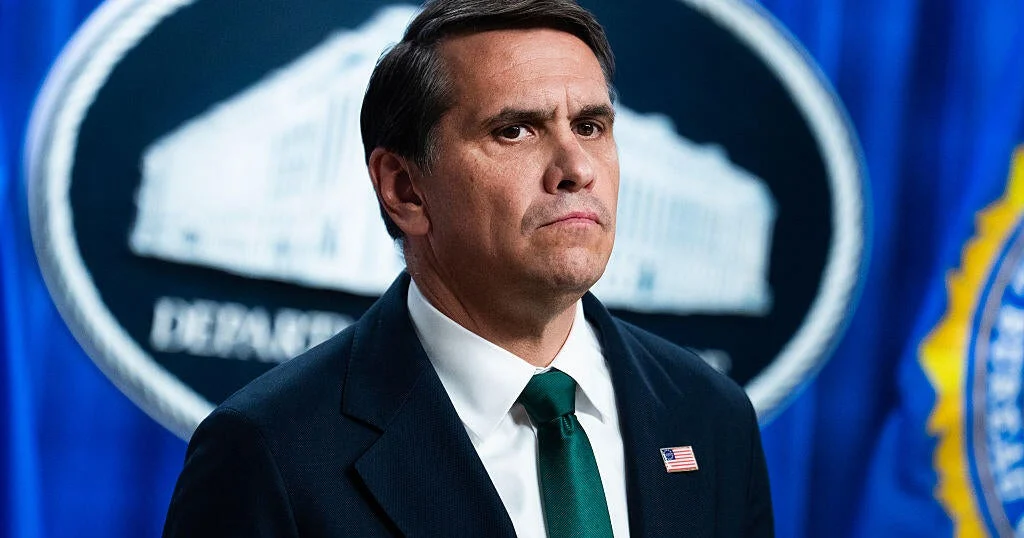
Acting Attorney General Todd Blanche emphasized that while a “very small percentage” of naturalized citizens should be concerned, the administration aims to deter citizenship fraud through these stringent measures. He stated, “We should disincentivize people from committing fraud when they’re going to become a citizen of this great country,” and noted the serious consequences tied to such fraud.
Why it matters
This expanded denaturalization campaign represents a shift toward more aggressive enforcement against naturalized citizens accused of serious wrongdoing or immigration fraud. The initiative could lead to an increase in legal proceedings challenging citizenship status and has implications for national security and immigration integrity. However, it also raises concerns about due process and the rights of naturalized citizens, prompting a broader debate on immigration enforcement policies under the current administration.
Sources
This article is based on reporting and publicly available information from the following source:
Read more Politics stories on Goka World News.