
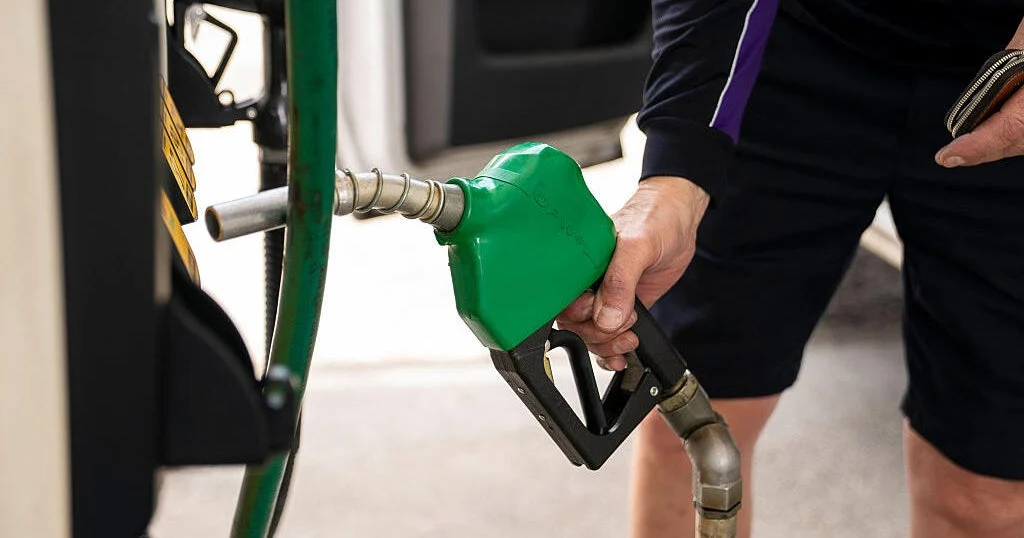
Gasoline prices across the United States have surged to their highest levels in years due to escalating tensions with Iran, prompting financial hardships for millions of drivers. The national average price for a gallon of gas reached $4.56 on May 7, up more than $1.50 since late February, according to AAA data.
Melissa Miles, a full-time social work student commuting 80 miles daily between Hillsdale and Eastern Michigan University, described how soaring fuel costs—averaging $4.80 per gallon in Michigan—are forcing her to skip classes to save on gas expenses. As a single mother balancing a tight budget, she faces tough choices between essential needs and transportation costs.
Diesel prices have also climbed sharply, reaching $5.67 per gallon from $3.54 a year ago. This rise threatens to elevate the cost of goods transported by truck and rail, with broader economic consequences.
Economic Projections and Policy Responses
Economists anticipate that fuel prices will remain elevated in the coming months. Moody’s Analytics chief economist Mark Zandi projects that gas prices will stabilize around $3.50 per gallon by the end of 2026, still about 50 cents above pre-conflict levels. Senate analysis suggests typical car owners could pay nearly $876 more annually if prices do not decline.
White House spokesperson Taylor Rogers emphasized President Trump’s commitment to reducing fuel costs. She stated that ongoing American pressure on Iran aims to end the conflict swiftly and restore energy market stability, which could eventually lower gas prices back to previous multi-year lows.
Impact on Low-Income Households
Elevated gas prices disproportionately affect low-income Americans, who spend a larger share of their income on fuel. Bank of America data indicates that in March, lower-income families allocated 4.2% of their income to gas compared to 2.7% for wealthier households.
Steph Thornton, a community health worker in Macomb, Michigan, reported monthly fuel expenditures rising from $320 to about $400 as prices climbed from around $3 to current levels. She noted ongoing economic struggles persisting from the pandemic, exacerbated by recent cost increases.
Daniel Hock, a university admissions adviser in Sacramento, California—where gas prices hit the highest national average of $6.16 per gallon—said he spends approximately $100 weekly on gas, representing nearly 9% of his pre-tax income. This financial strain complicates efforts to reduce personal debt accrued during previous unemployment.
Why it matters
Rising fuel prices increase living costs for many Americans, especially low-income households, and contribute to higher transportation expenses for goods, potentially driving up consumer prices. The sustained impact of these trends depends on the duration of geopolitical tensions and the pace of diplomatic resolutions.
Background
The spike in U.S. gas and diesel prices follows renewed conflict and sanctions involving Iran beginning in late February 2026. Prior to the escalation, fuel prices were considerably lower, with broader energy markets expected to react sensitively to ongoing developments in the Middle East.
Sources
This article is based on reporting and publicly available information from the following source:
Read more US News stories on Goka World News.