
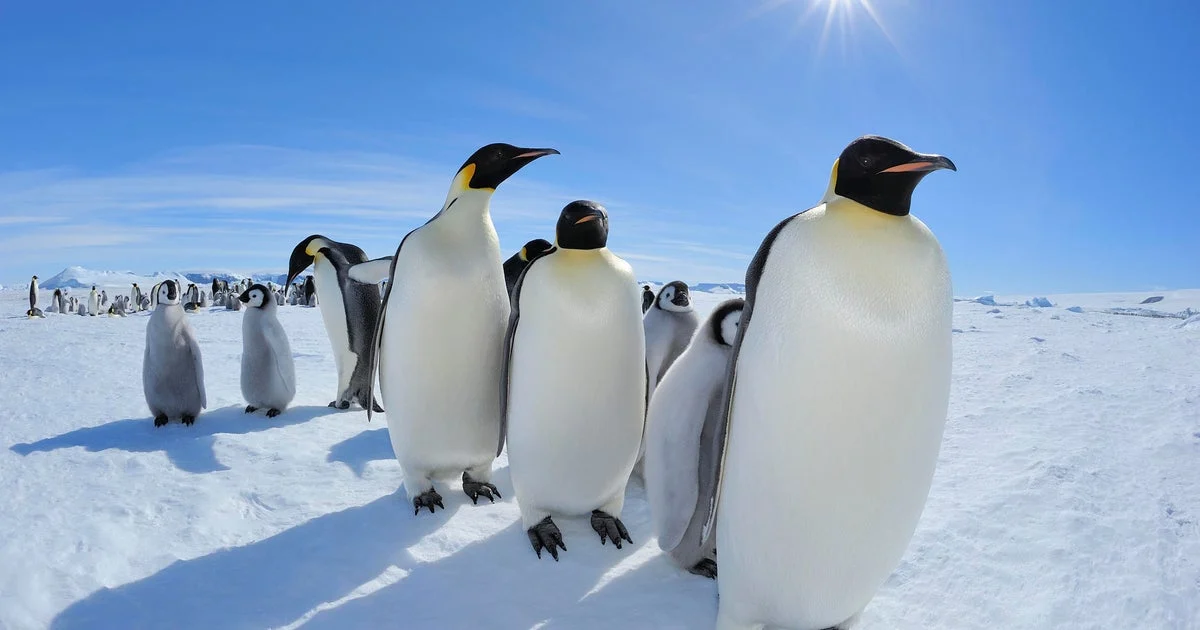
Officials from nearly 60 countries convened in Hiroshima, Japan, on Tuesday to discuss protections for Antarctica, focusing particularly on the endangered emperor penguin and rising tourism impacts. The annual Antarctic Treaty meeting aims to manage human activity and safeguard the continent’s fragile ecosystem amid increasing environmental challenges.
The Antarctic Treaty, signed in 1959, designates the continent as a preserved zone for scientific research and peace, while suspending territorial claims. This year’s talks bring together approximately 400 government officials and researchers from around 50 nations, including the United States, China, Russia, and Ukraine.
Emperor Penguin Conservation Under Scrutiny
A key agenda item is the conservation status of the emperor penguin, recently declared endangered by the International Union for the Conservation of Nature (IUCN). Conservationists, including the World Wildlife Fund (WWF), are advocating for the species to receive special protective designation during the discussions. Such a status could lead to new restrictions on shipping and tourism activities that threaten the birds’ habitat.
Emperor penguin populations have declined sharply, primarily due to climate change disrupting the sea ice habitat they rely on for breeding and feeding. WWF’s chief advisor for polar and ocean issues, Rod Downie, warned that without intervention, emperor penguins could face extinction by the end of this century.
However, sources indicate it is uncertain whether consensus on escalating protections will be reached at this meeting.
Managing Increasing Antarctic Tourism
The conference is also addressing the impact of growing tourist numbers, which reached nearly 120,000 visitors during the 2024-2025 season. Delegates are considering potential restrictions, including area closures and visitor quotas, to balance tourism with environmental preservation.
Japan’s foreign affairs official and meeting chair, Hideki Uyama, emphasized the challenge, noting the need to regulate a diverse range of activities, such as kayaking, hot air ballooning, and motorbiking, that were not fully anticipated under existing governance frameworks.
Why it matters
Antarctica plays a crucial role in regulating global climate and ocean systems. Francisco Berguno, executive secretary of the Antarctic Treaty Secretariat, highlighted the importance of international cooperation to manage the continent responsibly amid climate change effects.
Scientific studies published recently in the journal Nature warn that ongoing Antarctic changes could contribute to significant sea-level rise with catastrophic consequences worldwide. Limiting global warming to below 1.5 degrees Celsius remains critical to minimizing these risks and protecting species like the emperor penguin.
Sources
This article is based on reporting and publicly available information from the following source:
Read more Climate & Environment stories on Goka World News.