
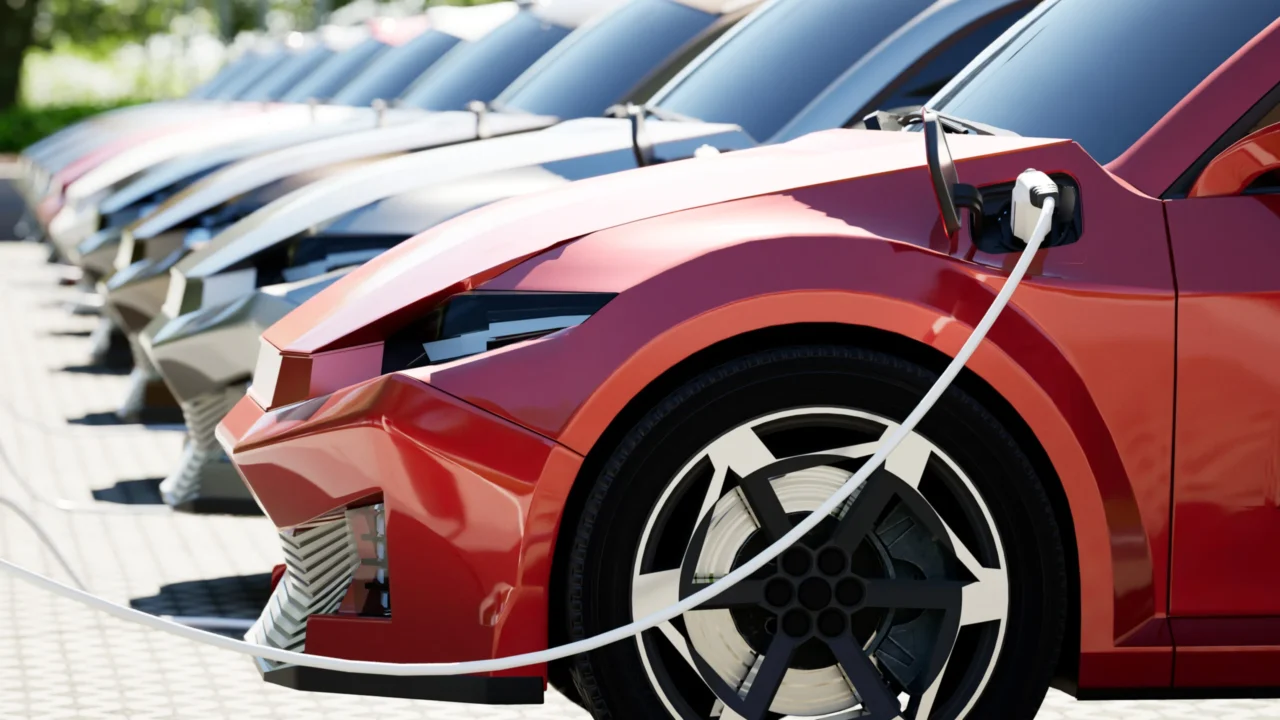
A new study by researchers from the Massachusetts Institute of Technology (MIT) finds that electric vehicles (EVs) produce significantly lower greenhouse gas emissions and often cost less to own than comparable gasoline-powered cars for most drivers in the United States. The study, published in Environmental Research Letters, incorporates detailed regional and individual factors to provide a nuanced assessment of EV benefits across diverse driving environments and locations.
Comprehensive Analysis Incorporates Regional and Individual Variability
The MIT team factored in a wide range of variables including local electricity generation mix, climate, traffic density, trip distance and duration, fuel prices, and driving behaviors sourced from thousands of U.S. zip codes. This granular approach enabled the researchers to evaluate how emissions and ownership costs vary not only by geography but also among individual drivers.
For example, colder weather can reduce the efficiency of battery-electric vehicles during extreme conditions, but the study finds these effects have limited impact on annual emissions savings. In North Dakota, a cold-climate state, EV fuel economy may drop sharply on a single night, yet overall yearly emissions remain substantially lower compared to conventional vehicles.
EVs Reduce Emissions by 40 to 60 Percent, Especially in Urban Areas
The analysis shows battery-electric vehicles reduce greenhouse gas emissions by approximately 40 to 60 percent compared to similar gas-powered cars, with the greatest benefits seen in urban regions. Factors such as cleaner local electricity grids, higher traffic congestion, and greater annual driving distances increase the emissions advantages of EVs. Drivers who travel more frequently and face denser traffic experience even larger emissions reductions.
Ownership Costs Often Favor Electric Vehicles
In terms of lifetime ownership cost, most regions saw EVs performing as well as or better than comparable internal combustion engine vehicles, even without federal or state clean vehicle incentives. In areas where electricity is relatively inexpensive, battery-electric models typically had lower lifetime costs than both plug-in hybrids and gas-powered cars.
Updated Public Tool Supports Consumer Decision-Making
Building on this research, the team updated the publicly available carboncounter.com tool, which allows individuals to compare life-cycle emissions and ownership expenses for nearly any car on the market. The tool’s enhanced accuracy and granularity provide consumers with better information to assess the environmental and financial impacts of their vehicle choices.
Why it matters
This study offers the most detailed and data-driven evaluation to date of how EV emissions and costs vary across the U.S., highlighting that individual driving habits are as influential as regional factors. It provides policymakers and consumers with evidence that supports continued EV adoption as a viable strategy for reducing transportation emissions and costs nationwide, even in colder climates that some have questioned.
Background
Previous analyses of EV emissions and costs often focused on limited factors like the electricity grid’s renewable share or fuel prices. This MIT research integrates multiple data types—including local weather patterns, traffic conditions, and driver behavior—into a unified model to more realistically represent real-world conditions. Its findings reinforce and expand upon growing evidence that EVs contribute meaningfully to emissions reductions while remaining economically competitive.
Sources
This article is based on reporting and publicly available information from the following source:
Read more Climate & Environment stories on Goka World News.