
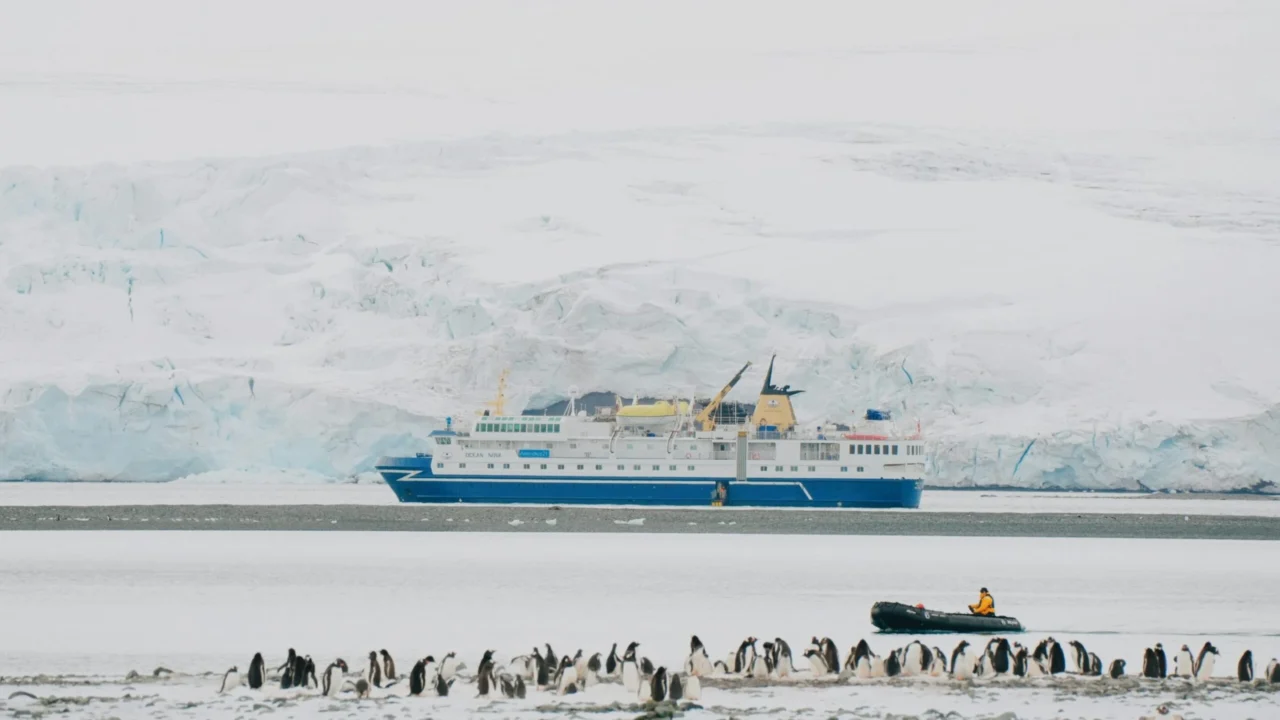
Antarctic tourism has expanded rapidly in recent years, but this growth has sparked a moral crisis among some of the continent’s tour guides. A new study published in The Conversation examines why 25 former Antarctic guides chose to quit their once coveted jobs, revealing how witnessing the environmental consequences of increased tourism clashed with their values and well-being.
What Happened
Researchers interviewed 25 individuals who worked as Antarctic tour guides but ultimately resigned due to ethical concerns about climate change and tourism’s ecological footprint. The interviews detail how these guides experienced firsthand the accelerating impacts of global warming in Antarctica, including glacier calvings, record high temperatures, and disturbances to wildlife colonies caused by a growing influx of visitors—over 120,000 during the 2025–26 season alone, with projections of up to 450,000 visitors each summer within a decade. Many guides expressed despair over tourists’ enthusiasm amid visible environmental degradation.
Key Facts
Antarctic tourist numbers have surged sharply, reaching more than 120,000 visits in the 2025–26 season, with expectations to nearly quadruple within ten years. Former guides reported that wildlife, such as penguin colonies, often had minimal respite from human presence, with hundreds of people crossing their habitats continuously. The study collects qualitative evidence that despite the industry’s claims that tourism raises environmental awareness, guests frequently showed little understanding of their own carbon footprint or the climate changes affecting the Antarctic region.
What This Means
This study sheds light on the growing ethical dilemma facing workers in environmentally sensitive tourism sectors. The conflict expressed by former guides illustrates a broader challenge of balancing access to remote natural wonders with the urgent need to minimize further ecological harm. For guides devoted to Antarctic conservation, facilitating tours to one of the world’s most fragile environments felt increasingly untenable as they recognized tourism’s contribution to CO₂ emissions and environmental stress.
For the public, these accounts underscore the unintended consequences of expanding mass tourism to vulnerable zones. It challenges individuals and industry stakeholders to rethink sustainable travel frameworks, considering not only visitor numbers but also the moral and emotional toll on those who act as mediators between nature and tourists. This tension highlights a larger conversation about how climate change reshapes not only ecosystems but also human roles and responsibilities within those systems.
The guides’ choice to leave a prestigious and desired role speaks to the personal cost of environmental degradation. Their departure represents an act of protest and a search for alignment between professional life and environmental ethics, signaling potential shifts in tourism industry practices and workforce dynamics.
Background
Tourism in Antarctica is regulated under the Antarctic Treaty System to protect its pristine environment; however, enforcement challenges and increasing demand have raised concerns about cumulative impacts. The tourism sector claims educational benefits by exposing visitors to climate change realities, yet scientific observations show wildlife disturbances and growing carbon emissions from cruise ships remain significant issues. Previous research has documented the warming trends and ecosystem shifts in Antarctica, amplifying worries over sustainable visitation policies.
What Remains Unclear
The study does not specify whether alternative sustainable tourism models or stricter visitor limits could reconcile the conflicting interests of guides, tourists, and conservation goals. Additionally, the long-term psychological impacts on guides continuing this work versus those who left remain to be explored. It also remains uncertain how industry stakeholders will respond to rising criticisms from frontline workers and whether policy changes will reflect these ethical considerations.
What Comes Next
The ongoing expansion of Antarctic tourism sets a pressing timeline for policymakers, industry leaders, and conservationists to address sustainability challenges. The voices of former guides contribute to a growing call for more rigorous environmental regulations and possibly a reevaluation of Antarctic visitation quotas. Continued research and dialogue could inform future frameworks aiming to balance ecological preservation with human interest and economic activities.
Sources
This article is based on reporting and publicly available information from the following source:
Read more Climate & Environment stories on Goka World News.