
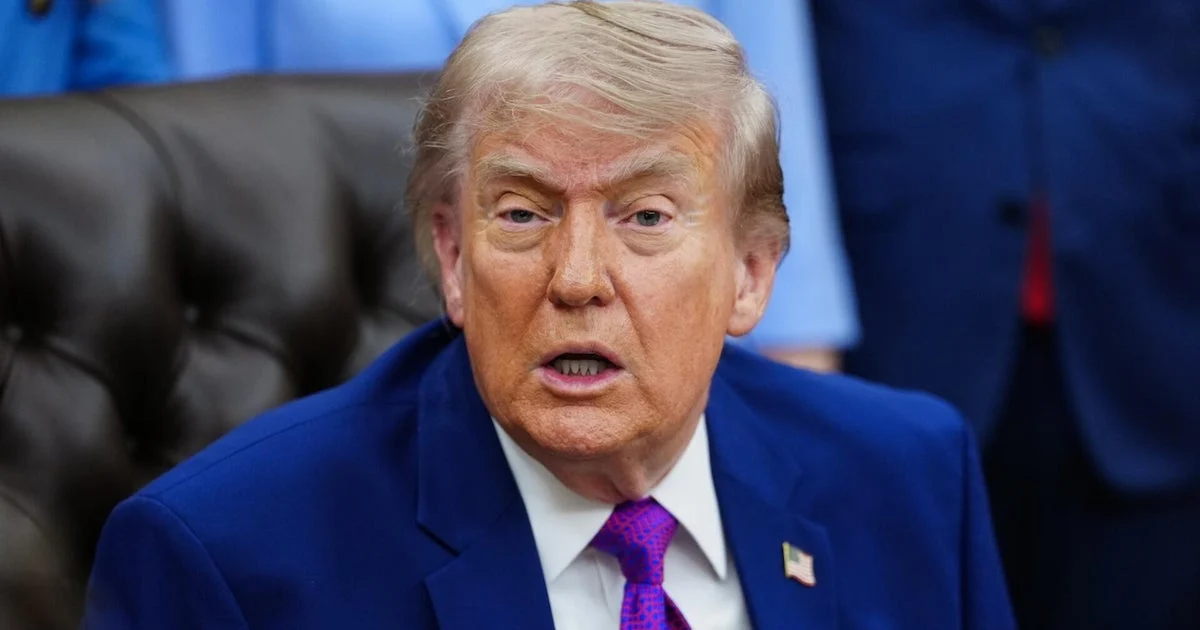
Former President Donald Trump has stated he is not retreating from his position as conflict with Iran intensifies, a situation that is contributing to a rise in the cost of living across the United States. This escalation is placing financial pressure on middle- and working-class Americans, whose wages are failing to keep pace with increasing expenses.
Rising Costs Linked to Middle East Tensions
The ongoing conflict with Iran has led to disruptions that are impacting the U.S. economy, particularly through higher prices for everyday goods and energy. As a result, inflation is accelerating faster than wages, squeezing household budgets and reducing disposable income for many families.
Impact on American Households
Economists report that the heightened geopolitical tensions contribute to instability in global markets, which in turn drives up fuel and food prices domestically. The effect is particularly acute for middle- and working-class Americans who face limited wage growth and increasing expenses for essential goods.
Trump’s Position Amid Escalating Conflict
Despite the economic strain linked to the conflict, Trump has reaffirmed his unwillingness to change his approach toward Iran. His stance remains firm amid debate over how the administration’s policies may affect both international stability and domestic economic conditions.
Why it matters
With inflation outpacing wage growth during a period of geopolitical tension, many Americans are experiencing reduced purchasing power. The Trump administration’s firm stance on Iran may influence the trajectory of the conflict and the related economic consequences, affecting both U.S. foreign policy and domestic financial well-being.
Sources
This article is based on reporting and publicly available information from the following source:
Read more Politics stories on Goka World News.