
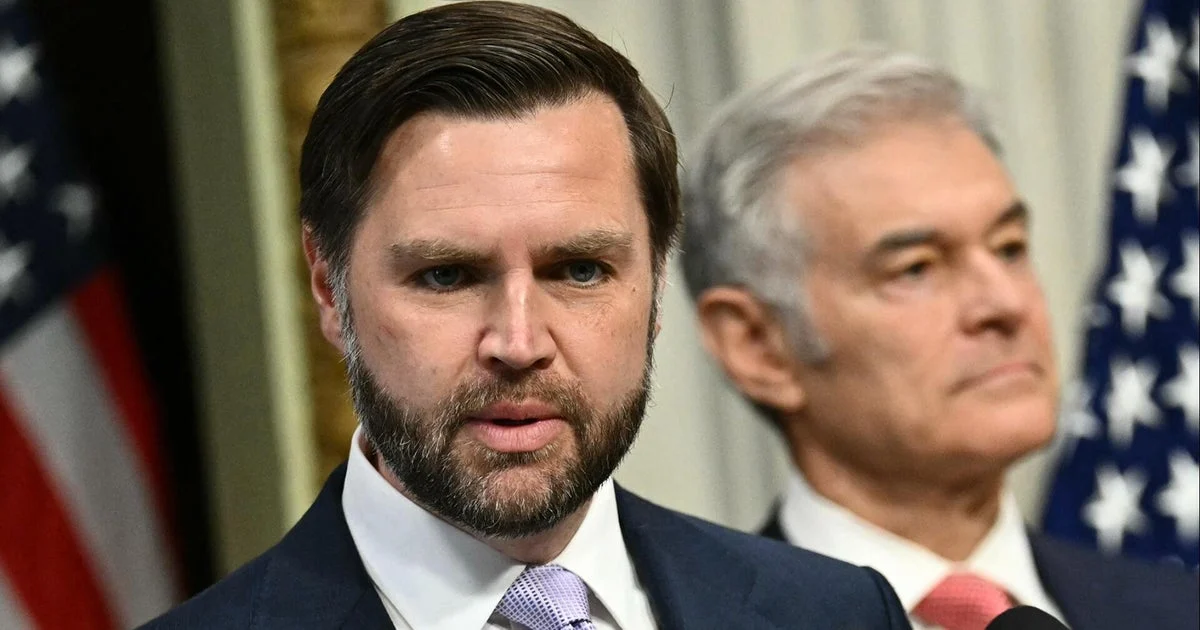
The Trump administration has initiated a six-month moratorium on new Medicare enrollments for hospice and home health agencies as part of efforts to combat widespread healthcare fraud. The Centers for Medicare & Medicaid Services (CMS) announced the pause during a press conference with Administrator Dr. Mehmet Oz and Vice President JD Vance on May 13, 2026.
“There will be no new hospices or home health care open in this country,” Dr. Oz stated, adding that existing agencies and services would continue uninterrupted. The freeze aims to allow the government time to improve coordination and enhance fraud detection strategies.
Fraud Investigations Prompt Moratorium
The CMS plans targeted investigations and advanced data analysis during the enrollment freeze, with an emphasis on swiftly removing providers suspected of fraudulent activity. According to the U.S. Department of Health and Human Services Office of the Inspector General, estimated suspected hospice fraud in 2023 totaled approximately $198.1 million nationwide.
The moratorium follows a CBS News investigation highlighting significant fraud risks in hospice services in California, especially in Los Angeles County. The investigation found that over 700 out of roughly 1,800 hospice providers in the county exhibited multiple fraud indicators as defined by state authorities.
Following these findings, Dr. Oz announced plans to decertify hospice providers found defrauding taxpayers through identity theft or overbilling. Vice President Vance also cited concerns about inadequate enforcement of Medicaid fraud, particularly singling out California’s Medicaid anti-fraud unit for deferred funding of $1.3 billion due to perceived laxity.
Federal and State Efforts to Curb Fraud
Vice President Vance emphasized that Medicaid fraud enforcement is not partisan but varies by state, noting that some “blue states” have been less aggressive in pursuing fraud cases compared to others. He warned that states failing to act against Medicaid fraud risk losing federal funding allocated for their anti-fraud initiatives.
Vance is leading the White House’s anti-fraud task force and underlined the administration’s commitment to holding both providers and states accountable for healthcare fraud. Medicaid primarily serves low-income Americans, while Medicare covers most seniors, making the oversight of both programs critical to preserving taxpayer funds.
The moratorium is part of broader efforts to enhance transparency and accountability in Medicaid and Medicare services. The White House anti-fraud task force highlighted that taxpayers should not subsidize fraudulent services and stressed the need for states to intensify their fight against Medicaid fraud.
Why it matters
Medicare and Medicaid fraud compromises billions in taxpayer dollars annually, affecting the quality and availability of care for vulnerable populations. The enrollment freeze is a critical step to stem the growth of fraudulent hospice and home health agencies while improving oversight mechanisms. The pause will help protect the integrity of these federally funded healthcare programs and potentially reduce waste, fraud, and abuse that burden the system.
Background
Hospice providers deliver end-of-life care, and the sector has been scrutinized for fraudulent billing practices, including enrolling patients not in hospice care or overstating services. Anti-fraud measures have increased in recent years amid reports of significant financial losses driven by fraudulent providers. The Trump administration’s task force on fraud has been actively working with states to tighten oversight, including withholding funds from states with inadequate enforcement.
Sources
This article is based on reporting and publicly available information from the following source:
Read more US News stories on Goka World News.