
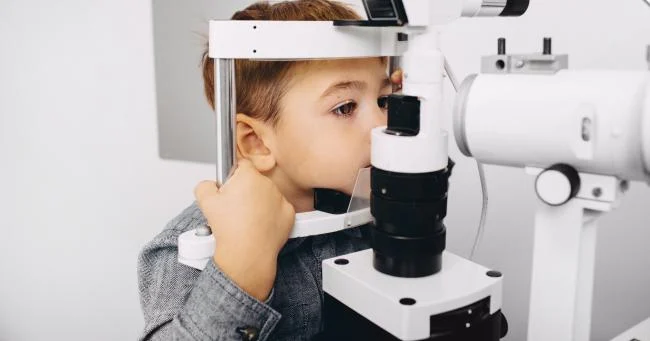
The National Institutes of Health (NIH) has supported the development of an open-access, web-based tool designed to expand access to pediatric amblyopia care. Amblyopia, often called “lazy eye,” is a leading cause of preventable vision loss in one eye among children, affecting about 3% of U.S. children. The tool aims to help eye care providers without pediatric specialty training make evidence-based treatment decisions remotely, addressing geographic disparities in specialist availability.
How the tool works
Known as the Amblyopia Navigator Decision-Support Instrument (ANDI), the online system guides clinicians through the entire amblyopia management process. It supports diagnosis by helping doctors determine the appropriate glasses prescription based on key clinical data. For many children, glasses alone can improve vision, and ANDI recommends the duration for monitoring this treatment.
If glasses fail to restore vision fully, the tool provides stepwise guidance on additional treatments such as patching the stronger eye, using atropine eye drops to blur the better-seeing eye, or employing newer digital therapies involving games and videos. It further advises when to escalate treatment intensity, reassess prescriptions, or refer patients to pediatric eye specialists.
ANDI also includes protocols for follow-up visits and monitoring for signs of amblyopia recurrence after treatment ends. The tool is designed for use at initial and follow-up visits throughout a child’s amblyopia care.
Addressing access gaps in pediatric eye care
Research shows a substantial geographic imbalance in the distribution of pediatric optometrists and ophthalmologists across the U.S., with some regions lacking any specialists. This uneven availability can delay diagnosis and treatment of amblyopia, which is critical since early intervention produces the best outcomes.
The Pediatric Eye Disease Investigator Group (PEDIG), an NIH-funded network of over 400 investigators, developed ANDI using evidence from 147 published studies. Its online access makes current best practices available to any clinician with internet access, potentially reducing disparities caused by local specialist shortages.
About amblyopia and its treatment
Amblyopia arises when the brain fails to develop normal vision pathways for one or both eyes during early childhood. Causes include eye misalignment (strabismus), significant differences in prescription strength between eyes, untreated high prescription needs in both eyes, or vision obstruction such as cataracts or drooping eyelids. If untreated during childhood, the vision loss often becomes permanent and uncorrectable in adulthood.
Treatment typically produces significant improvement, though prompt detection maximizes benefits. Untreated amblyopia can lead to long-term impacts including reduced school performance, employment challenges, lower quality of life, and increased vulnerability to vision loss from other eye conditions or injuries.
Why it matters
By simplifying decision-making for non-specialist clinicians, the ANDI tool can widen access to effective amblyopia care, supporting earlier treatment and better vision outcomes for children nationwide. It addresses a critical workforce shortage in pediatric eye care and democratizes access to evidence-based clinical guidance validated by extensive research.
The tool is publicly accessible at https://public.jaeb.org/pedig.
Background
The NIH is the primary federal agency for medical research in the U.S., funding studies and resources to understand, treat, and prevent diseases. The Pediatric Eye Disease Investigator Group has a longstanding role in conducting clinical trials and research to improve childhood eye health.
Evidence informing the ANDI tool comes from a broad collection of studies showing the benefits of various amblyopia treatments, including newer digital therapies that may complement traditional methods like patching and atropine use.
Sources
This article is based on reporting and publicly available information from the following source:
Read more Health & Public Health stories on Goka World News.