
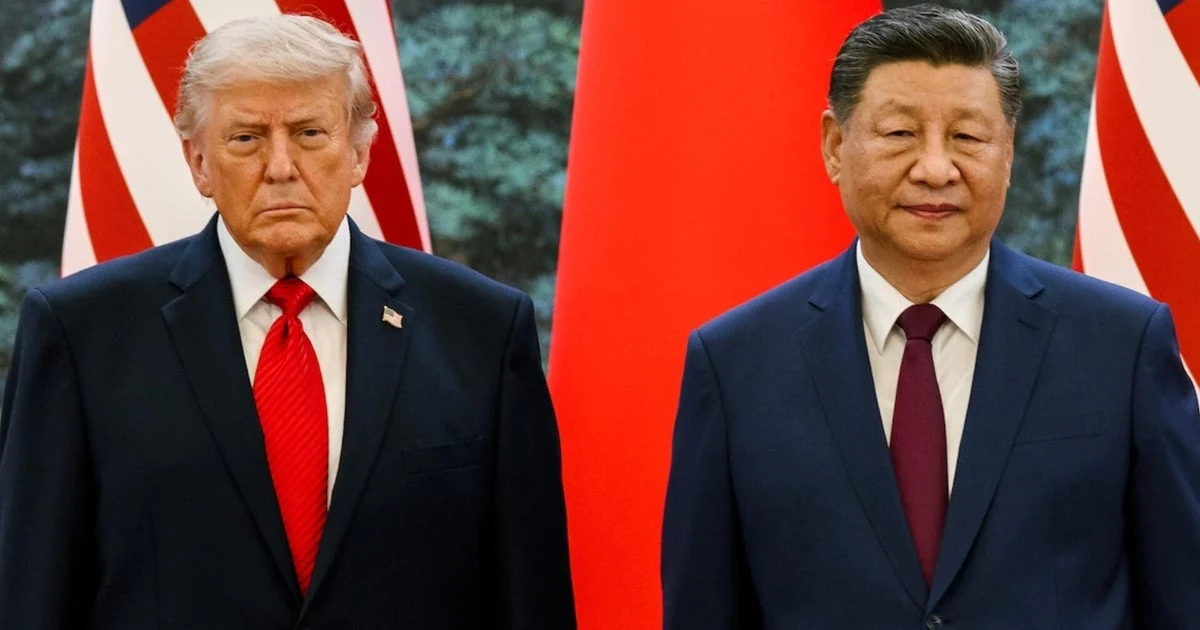
The recent summit between the United States and China brought renewed scrutiny to the ideological competition over global leadership and governance. Discussions at the event underscored the differing views between the two powers on which ideas should prevail internationally.
During the summit, attention was drawn to the Chinese government’s approach to governance, prompting debate about the role of communism and authoritarianism on the world stage. Interviews conducted in Taiwan reflected dissent from individuals critical of China’s government and communist system, though these sentiments were not directed at the Chinese people themselves.
The U.S. emphasized democratic values and human rights as foundational to its global vision, while China defended its governance model as a means to achieve stability and economic development. This ideological divergence remains a central theme in U.S.-China relations, influencing diplomatic, economic, and security engagements.
Why it matters
The summit’s focus on whose ideas should lead highlights ongoing tensions in global politics between democratic and authoritarian systems. The outcome of this ideological competition could shape international norms, trade policies, and security alliances worldwide. By spotlighting these conflicting models, the summit underscored the strategic importance of values and governance in global influence.
Background
U.S.-China relations have long been marked by rivalry over economic dominance, military presence, and technological leadership. More recently, ideological differences have taken prominence as both countries seek to assert their vision for the future global order. Taiwan remains a focal point in these tensions, symbolizing broader conflicts over sovereignty and governance.
Sources
This article is based on reporting and publicly available information from the following source:
Read more Politics stories on Goka World News.