
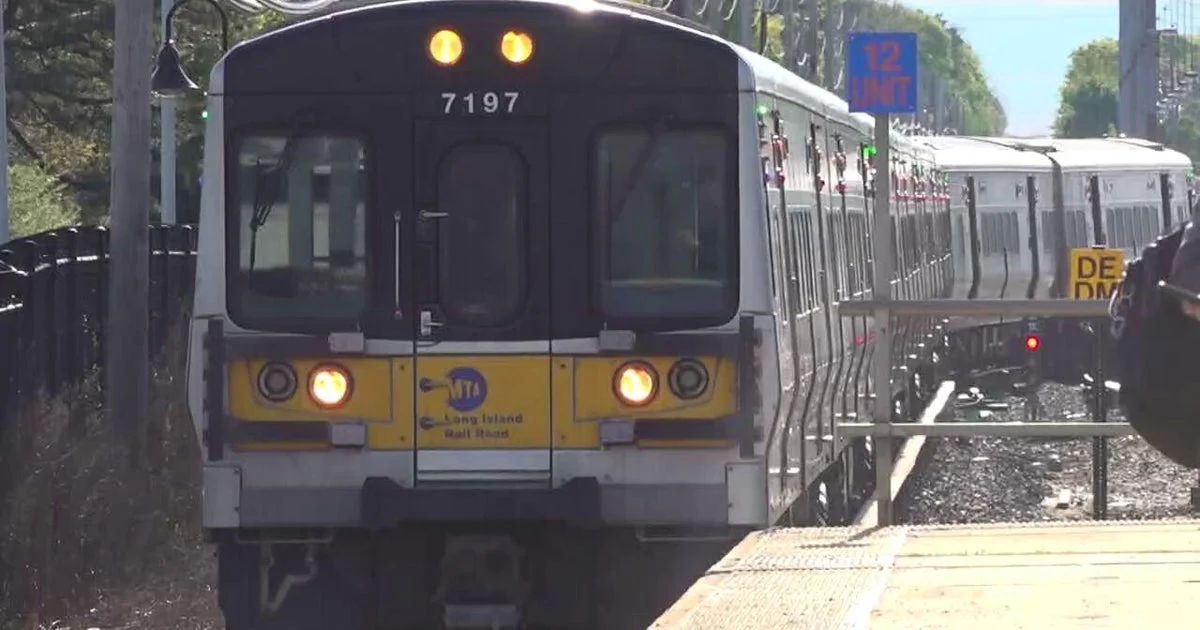
Long Island Rail Road (LIRR) operations came to a halt just after midnight on Saturday as 3,500 workers initiated a strike following unsuccessful contract negotiations with the Metropolitan Transportation Authority (MTA). This marks the first LIRR strike since 1994 and impacts over 250,000 daily commuters across southeastern New York.
Contract Dispute and Negotiation Breakdown
The strike follows a breakdown in talks over the final year of a proposed four-year contract. Union representatives and MTA officials had already agreed on terms covering the first three years. The unions are seeking a 5% wage increase, while the MTA has offered a 3% raise with potential adjustments up to 4.5%, contingent on concessions regarding work rules.
MTA leadership expressed concerns that the higher wage demands would necessitate systemwide fare hikes affecting subways, buses, and Metro-North trains. Janno Lieber, MTA chair, emphasized the agency’s commitment to budget stability post-COVID-19 and rejected demands for pay raises exceeding those granted to other MTA employees. Lieber also cited challenges posed by existing union work rules that allow significant overtime accumulation, which unions have declined to renegotiate.
Union and Political Responses
Kevin J. Sexton, vice president of the Brotherhood of Locomotive Engineers and Trainmen, described the strike as “management-provoked,” criticizing the introduction of healthcare contributions that were not part of prior bargaining discussions. Sexton noted ongoing disagreements, particularly regarding fourth-year wages.
Governor Kathy Hochul linked the strike’s occurrence to federal mediation cuts and called on both parties to resume negotiations in good faith. She stressed the impact on commuters and workers alike, vowing to support ridership stability. Conversely, Nassau County Executive Bruce Blakeman condemned Hochul’s handling of the situation, placing blame on her administration for the resulting disruption.
Impact on Commuters and Alternative Arrangements
With the busiest commuter railroad in North America shut down, commuters are advised to seek alternative transportation options. The LIRR has arranged shuttle bus services from select Long Island stations to major subway stations in Queens, including routes to Howard Beach-JFK Airport and Jamaica-179th Street. Additionally, riders are encouraged to utilize NICE Bus services and work remotely if possible.
The LIRR website announced prorated refunds for monthly ticket holders covering strike-affected days, with refund application details forthcoming. Nonetheless, transportation experts anticipate increased road congestion as many commuters switch to personal vehicles.
Why it matters
The strike disrupts a critical transportation artery for southeastern New York, affecting hundreds of thousands of daily riders. It highlights ongoing tensions between labor demands for higher wages and public agencies’ budget constraints. The dispute also raises concerns about fare increases and the sustainability of public transit funding.
Sources
This article is based on reporting and publicly available information from the following source:
Read more US News stories on Goka World News.