
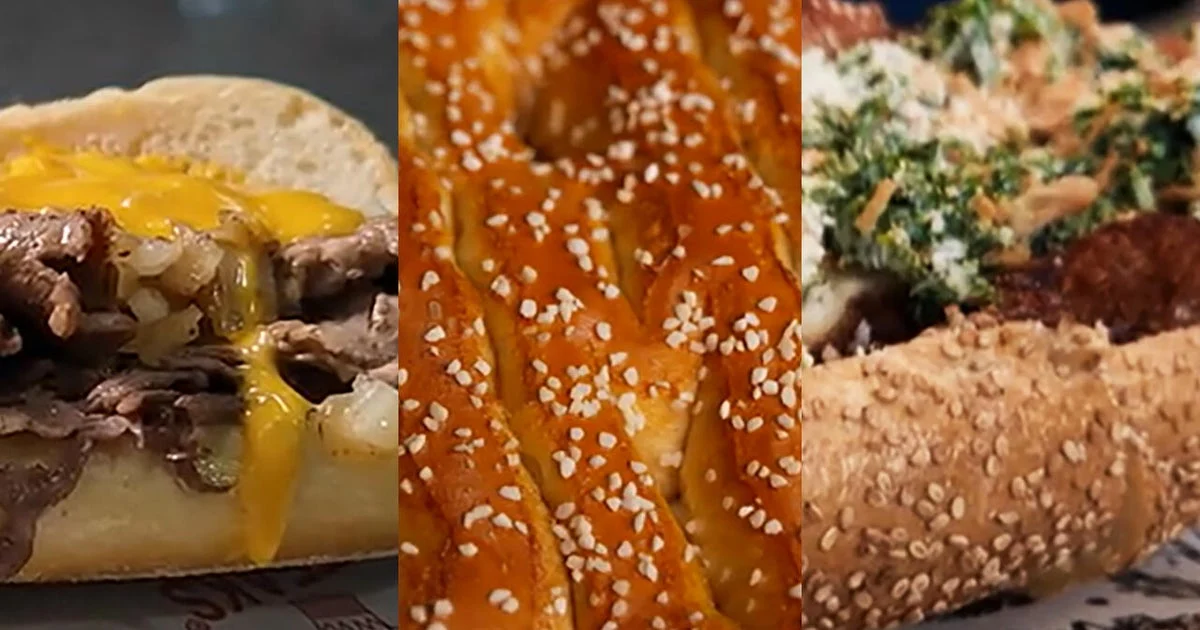
Philadelphia is widely recognized for three beloved foods that go beyond simple meals to become symbols of local culture: the cheesesteak, the soft pretzel, and the hoagie.
The Philadelphia Cheesesteak
The cheesesteak is an essential part of Philadelphia’s culinary heritage. Pat’s King of Steaks, a third-generation family-owned establishment, emphasizes the importance of the traditional preparation—thinly sliced ribeye steak on an Italian roll with onions and a choice of cheese, typically Cheez Whiz. The meat is never chopped, a detail the owners consider sacred.
Frankie Olivieri, representing Pat’s King of Steaks, has eaten an estimated half a million cheesesteaks in his lifetime, highlighting both the sandwich’s popularity and cultural significance. For many locals, the cheesesteak symbolizes more than food—it is an expression of love and community, underscored by the ritual of sharing the rich, flavorful final bite of the sandwich.
Philadelphia-Style Soft Pretzels
Soft pretzels have also played a notable role in Philadelphia’s food history since at least the 19th century, when pretzel-twisters commanded high wages. Today, the Center City Soft Pretzel Co. produces tens of thousands of their signature figure-eight pretzels weekly. These pretzels are characterized by a thick, crusty exterior, a small hole in the center, a perfect balance of salt, and are often enjoyed with mustard.
Erika Tonelli Bonnett of Center City Soft Pretzel Co. describes the pretzel as the city’s “essential” food, valued for its convenience, portability, and affordability. At 90 cents per pretzel, it remains an accessible snack for many Philadelphians, cementing its place in local culture alongside the cheesesteak.
The Philadelphia Hoagie
Hoagies are another iconic staple, rooted in Philadelphia’s history dating back to World War I when shipyard workers packed them for lunch. At Liberty Kitchen, chef Beau Neidhardt prepares about two to three hoagies a week, reflecting the sandwich’s popular embrace.
The traditional hoagie starts with a sesame-seeded roll, layered with deli meats, house-made hoagie relish, onions, tomatoes, lettuce, oregano, and dressing. Versions like Liberty Kitchen’s viral “Kale-Caesar” cutlet hoagie demonstrate the sandwich’s ongoing evolution while maintaining its core identity. Neidhardt notes that for Philadelphians, hoagies are more than food—they are a lifestyle and an integral part of the city’s culture.
Why it matters
These three foods—cheesesteaks, soft pretzels, and hoagies—are more than local dishes; they shape Philadelphia’s cultural identity and economy. Their distinct preparation methods and long histories contribute to the city’s culinary landscape, attracting visitors and sustaining generations of businesses. Understanding these iconic foods offers insight into Philadelphia’s working-class roots and communal values.
Background
Philadelphia’s reputation for these iconic foods has developed over more than a century, reflecting both immigrant influences and local innovations. The cheesesteak emerged as a staple in the 1930s, soft pretzels date back to the 19th century with economic importance for workers, and hoagies trace back to early 20th century shipyard lunches. Each continues to evolve while remaining true to its traditional preparation and cultural significance.
Sources
This article is based on reporting and publicly available information from the following source:
Read more US News stories on Goka World News.