
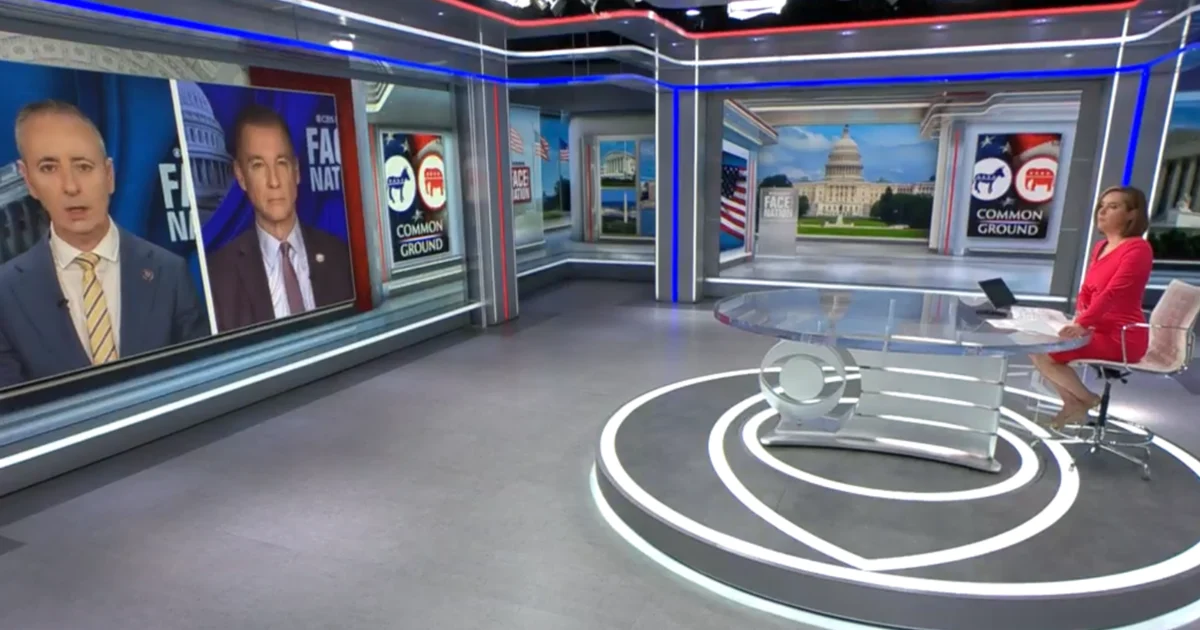
U.S. Trade Representative Jamieson Greer provided key details about recent trade agreements with China during an interview on “Face the Nation” on May 17, 2026. Greer discussed the establishment of formal bilateral boards to manage trade and investment relations, while addressing ongoing tariffs and domestic economic challenges amid inflation.
Bilateral Trade and Investment Boards Established
Greer explained that the United States and China agreed to create a Board of Trade and a Board of Investment to formalize dialogue on economic relations. These entities will focus on nonsensitive goods such as agricultural products, energy, aerospace equipment like Boeing planes, and medical devices. Sensitive technologies and military-related goods remain excluded due to national security concerns.
Unlike previous ad hoc discussions, these boards are intended to provide structured forums for resolving trade and investment disputes as they arise. This approach follows China’s recent reduction of non-tariff barriers on U.S. agricultural imports, including beef and poultry.
Tariff Policy and Trade Investigation Updates
Regarding tariffs, Greer confirmed that under current agreements, the U.S. retains the authority to reinstate higher tariff levels on Chinese imports, reversing recent reductions mandated by a Supreme Court ruling. He noted that ongoing investigations under Section 301 of the Trade Act may result in new tariffs, fees, or quotas if unfair trade practices or overcapacity issues are found.
However, Greer declined to provide a specific timeframe for tariff changes, emphasizing that investigations need to conclude before recommendations are made. This cautious stance maintained flexibility in U.S. trade enforcement while signaling a potential continuation of protective measures.
Progress on Major U.S. Exports to China
Greer confirmed a deal for China to purchase an initial 200 Boeing planes, marking the first significant Chinese aircraft order in nearly a decade. Additional purchases could follow if deliveries go smoothly. Although announcements also referenced General Electric aircraft engine sales and increased agricultural exports, details remain under finalization, with a fact sheet expected soon to clarify commitments.
Rising Inflation and Economic Concerns
The interview also touched on domestic economic pressures. Despite a rising stock market, many Americans face higher fuel and living costs, with gas prices averaging $4.51 per gallon. According to Greer, the administration is focused on job creation and wages to help offset inflation impacts. He stressed that U.S. foreign policy aims to prevent Iran from developing nuclear weapons, which influences energy prices and broader economic strategy.
Why it matters
The creation of structured trade and investment boards represents a shift toward more predictable and managed economic relations between the U.S. and China, two of the world’s largest economies. This development could reduce trade tensions and disputes while maintaining safeguards on strategic goods. Meanwhile, tariff policies and market access for American exporters remain critical issues amid concerns about inflation and consumer pressures at home.
Sources
This article is based on reporting and publicly available information from the following source:
Read more Business stories on Goka World News.