
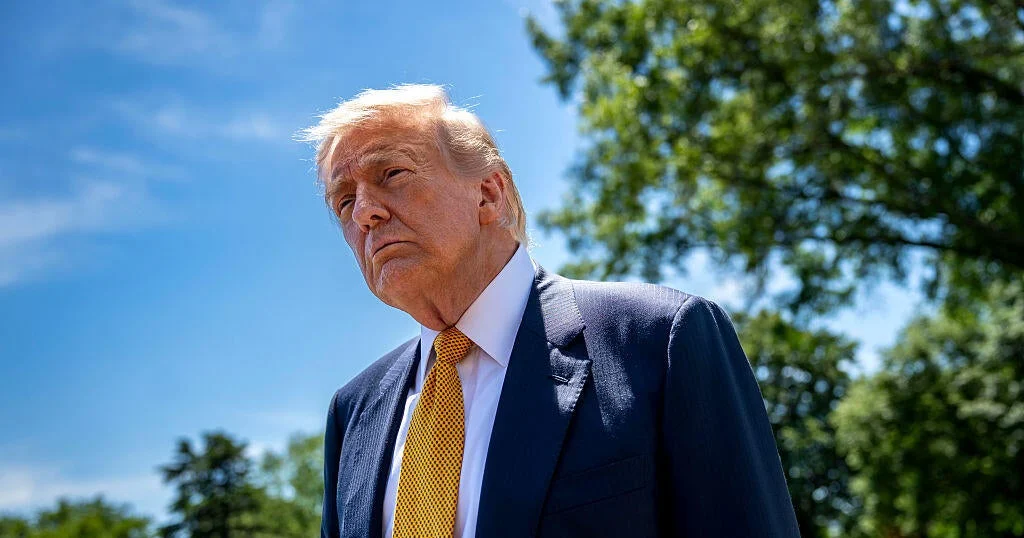
A recent CBS News poll conducted from May 13 to 15, 2026, shows rising economic anxiety among Americans, with many expressing frustration toward President Donald Trump’s handling of economic issues. The survey, which involved a nationally representative sample of 2,064 adults, highlights declining confidence in the U.S. economy and widespread concerns about inflation, job security, and global events impacting energy prices.
Public Sentiment on the Economy and Inflation
The majority of respondents reported that their incomes are not keeping pace with inflation, a sentiment echoed by three-quarters of those surveyed. Economic conditions are frequently described as “uncertain,” reflecting both short-term and longer-term worries. Increasing gas prices linked to tensions in Iran’s Strait of Hormuz contribute significantly to this unease, with most Americans feeling they are not receiving clear information about daily developments in the region.
Regarding job security, many participants expressed concern about the future availability of desirable employment, particularly in light of anxieties surrounding artificial intelligence’s potential impact on jobs.
Views on President Trump’s Economic Approach
The survey indicates that approximately two-thirds of Americans believe Trump’s policies are worsening the economy in the near term. Public feelings toward his economic management lean heavily toward frustration and anger, with his ratings for handling inflation notably declining, including among Republicans—although his approval on other issues remains comparatively high within the party.
The gap between Republican approval ratings for Trump’s overall performance (85%) and his handling of inflation (63%) underscores the dissatisfaction surrounding economic policy. Trump’s overall approval rating has also dropped to its lowest point during his second term.
Political and Geopolitical Context
On the political front, the poll finds no clear economic leadership advantage for either major party. While Democrats are perceived to slightly edge out Republicans in addressing the cost of living, a significant segment of respondents viewed both parties unfavorably or were uncertain which offers a better economic approach.
The conflict involving Iran further complicates economic outlooks. Although perceptions of U.S. military success are relatively higher, most Americans remain uncertain whether the unfolding situation benefits U.S. economic or strategic interests. Many express the view that neither side holds a definitive advantage in the conflict.
Why it matters
The poll underscores significant economic challenges facing the U.S., including perceptions of stagnating incomes, inflation pressures, and job security fears amplified by geopolitical tensions. Public dissatisfaction with President Trump’s economic policies may influence political dynamics and voter behavior leading into upcoming elections. Moreover, continued uncertainty about global events and their domestic impact heightens stress among the populace, particularly younger Americans who increasingly feel their economic prospects are worse compared to previous generations.
Background
This CBS News/YouGov survey has a margin of error of ±2.7 points and reflects attitudes during a period marked by heightened global tensions in the Middle East and volatile energy prices. Economic indicators and polls such as this one provide insight into public sentiment that can affect policy discussions, political campaigns, and administrative decision-making in the months ahead.
Sources
This article is based on reporting and publicly available information from the following source:
Read more Politics stories on Goka World News.