
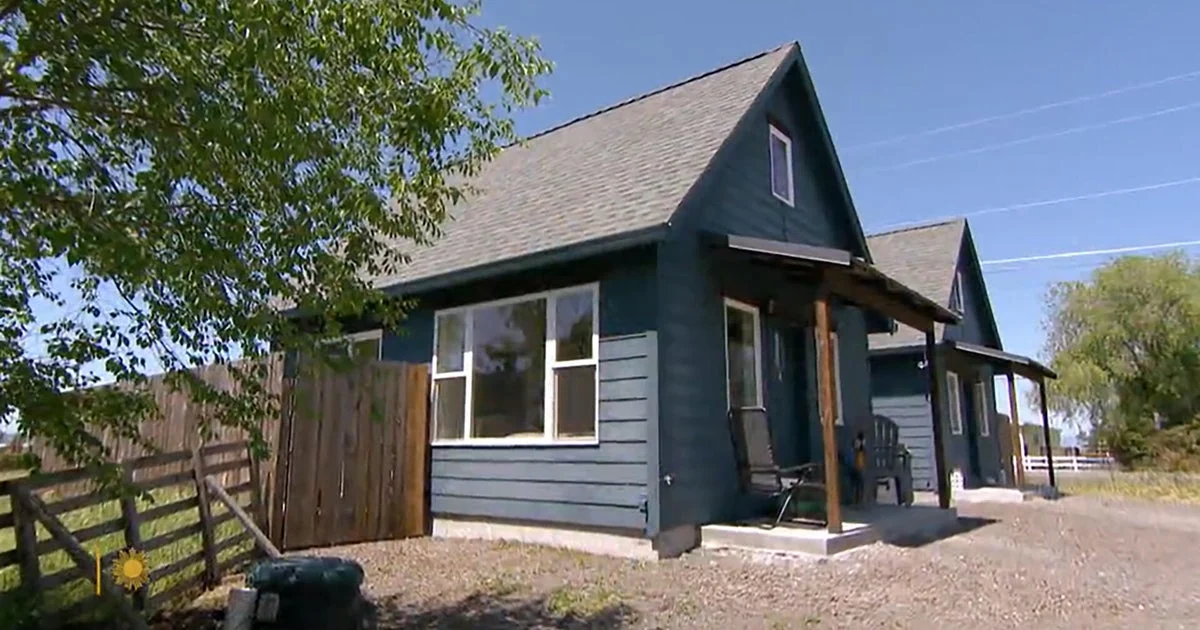
Accessory Dwelling Units (ADUs) are small, fully equipped secondary homes located on the same property as a main residence, often in backyards. These units, sometimes called carriage houses or granny flats, have gained attention as a potential solution to housing shortages, especially in regions impacted by recent wildfires in the Western United States.
ADUs and Housing Demand
As wildfires have displaced many residents and intensified the shortage of affordable housing, ADUs have become a vital option to increase living spaces without the need for new land development. These units can accommodate family members, renters, or individuals seeking more affordable housing alternatives within established neighborhoods.
Challenges to Widespread Adoption
Despite their potential, ADUs face several practical and legal hurdles that limit their availability. Zoning regulations and local building codes vary widely, sometimes restricting where and how ADUs can be constructed. Homeowners may encounter permitting difficulties, cost barriers, or neighborhood opposition. These challenges complicate efforts to scale ADU construction as a widespread housing strategy.
Growing Interest and Policy Considerations
Communities and policymakers are increasingly exploring revisions to zoning laws and building standards to encourage ADU development. Some local governments have started to streamline permitting processes and reduce fees to make it easier for homeowners to build these secondary units. Advocacy for ADUs highlights their role in addressing housing shortages while preserving neighborhood character.
Why it matters
With housing affordability and availability worsening in many parts of the U.S., especially in fire-affected Western states, ADUs offer a practical way to add housing units without extensive infrastructure overhauls. Expanding access to ADUs can support displaced residents, increase affordable rental options, and alleviate pressure on housing markets. Overcoming regulatory and financial barriers is key to realizing their full potential.
Sources
This article is based on reporting and publicly available information from the following source:
Read more Climate & Environment stories on Goka World News.