
India’s ambitious AI goals are facing setbacks as less than 4% of the government-approved budget for the IndiaAI Mission has been spent in its first two years, raising questions about the country’s ability to translate its vision into effective action.
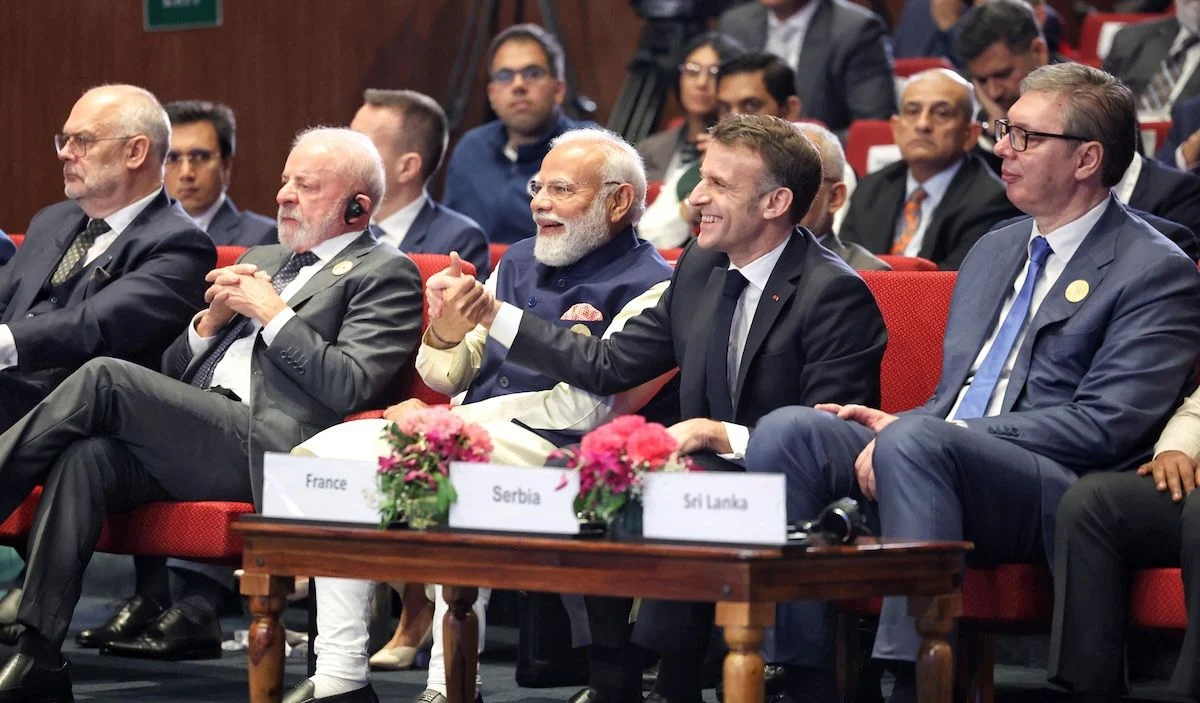
The IndiaAI Impact Summit 2026, held in New Delhi in February, showcased India’s intent to become a global AI leader by emphasizing innovation, inclusion, and a comprehensive AI ecosystem spanning compute, datasets, skilling, startups, and responsible AI. The summit attracted over 20 heads of state, 60 ministers, and 500 AI leaders globally, resulting in commitments such as the AI Impact Summit Declaration signed by more than 90 countries and investment pledges exceeding USD 200 billion.
Funding Challenges Undermine AI Mission Execution
However, official data reveals a stark contrast between these ambitions and actual progress. The government disclosed to the Rajya Sabha that out of an approved outlay exceeding ₹10,300 crore for five years, only ₹21.79 crore was released in the 2024–25 fiscal year, and ₹379.15 crore in 2025–26, with no funds disbursed yet for 2026–27. This means less than ₹400 crore, or under 4% of the total budget, has been utilized.
The semiconductor sector illustrates similar difficulties. A parliamentary committee report highlighted a 38.56% cut in funding for semiconductor and display manufacturing incentives from the budget estimates stage, citing a nascent manufacturing ecosystem and companies’ failure to meet policy conditions. Limited availability of power and water supply for fabrication and manufacturing facilities further impedes growth, with private investment struggling to fill the gaps.
Fragmented Strategy Limits Impact
India’s broad “everything, everywhere” approach spreads resources thinly across AI’s full technology stack rather than focusing on key foundational areas like compute power and platform development, which other global leaders such as the US and China have prioritized first. Experts caution that without concentrated investment in critical layers, India risks diluting its limited fiscal and institutional capacities.
Private AI startup funding in India also remains limited. In 2025, Indian AI startups raised USD 1.34 billion across 198 deals—only about 0.6% of the global AI funding pool of USD 225.8 billion. Many startups focus on application development rather than foundational AI models, raising concerns about long-term sustainability.
Policy Contradictions in Data and Cloud Governance
The government’s recent directive mandating that non-classified government data be stored on sovereign cloud infrastructure contrasts with the need for a cloud-first approach crucial for AI adoption, especially in improving public services. This policy sends mixed signals amid substantial private investment flowing into India’s AI market.
Experts warn that physical data localization does not guarantee sovereign control due to legal and technical complexities. Overemphasis on data localization risks fragmenting the AI ecosystem, increasing costs, hampering interoperability, and stifling scale efficiencies essential for AI growth.
Why it matters
India’s AI ambitions hold potential to drive innovation, economic growth, and improved public services. However, the significant gap between policy aspirations and execution risks undermining these benefits. Focused investment, coherent policy frameworks, and efficient fund utilization are critical to strengthening India’s AI capabilities and securing its role in the global AI landscape.
Background
The IndiaAI Mission, launched by the government, aims to leverage the country’s strengths in AI talent and application development to build a comprehensive AI ecosystem. The US and China’s AI strategies, targeting specific layers of the AI stack initially before expanding, offer contrasting models that have yielded dominant capabilities. India’s delayed expenditure and fragmented approach differ sharply from these precedent-setting strategies.
Sources
This article is based on reporting and publicly available information from the following source:
Read more AI Regulation stories on Goka World News.