
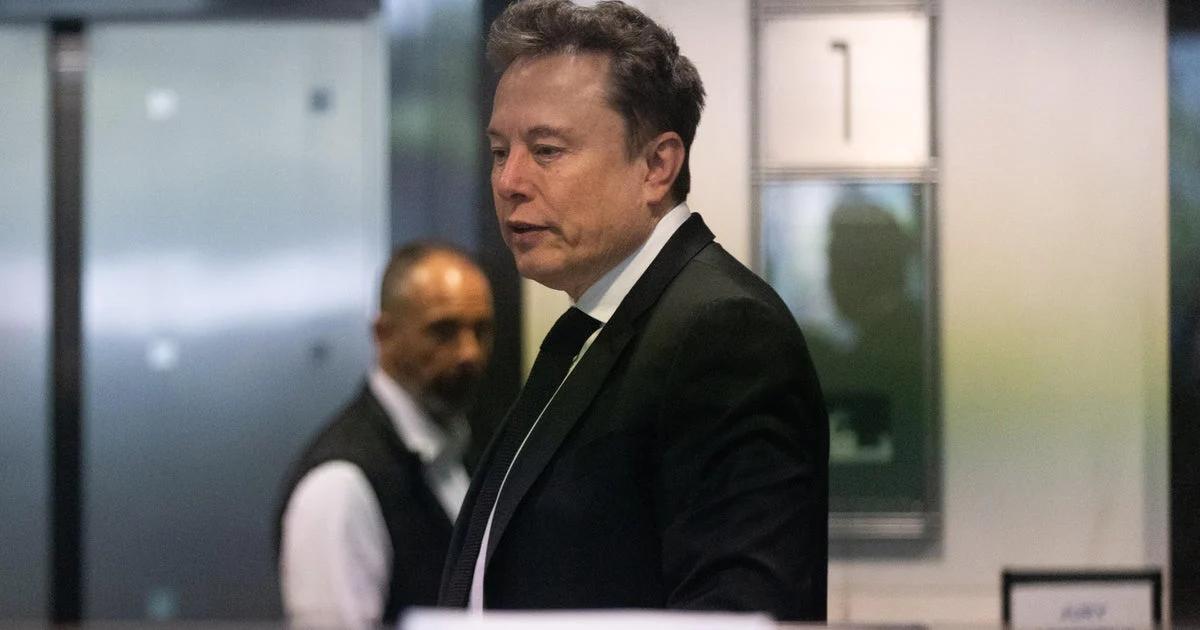
A California jury on Monday unanimously dismissed Elon Musk’s lawsuit against OpenAI and its CEO, Sam Altman, ruling that Musk filed his claims after the statute of limitations had expired. The nine-person jury found that Musk missed the three-year deadline to bring the lawsuit, which targeted alleged breaches occurring before August 2021. The decision was accepted by the presiding judge, Yvonne Gonzalez, resulting in the dismissal of Musk’s claims.
The legal dispute, which concluded after a three-week trial in Oakland, focused on Musk’s allegations that OpenAI broke its promise to remain a nonprofit by establishing a for-profit subsidiary valued at $852 billion. Musk, who helped found OpenAI and invested $38 million during its early years, accused Altman, OpenAI President Greg Brockman, and Microsoft of betraying the company’s charitable mission and enriching themselves at his expense. Musk sought $150 billion in damages and called for Altman’s removal from leadership.
OpenAI argued that Musk’s claims were untimely and that any alleged harm before August 2021 could not be legally pursued. OpenAI attorney William Savitt described the lawsuit as an attempt to sabotage a competitor and undermine the company’s success. Microsoft, named as a defendant due to its early partnership and investment in OpenAI, welcomed the jury’s dismissal of the claims as untimely.
During the trial, testimony from law professors and corporate executives supported OpenAI’s formation of its for-profit entity. Experts said this structure had generated significant value for the nonprofit arm, with Microsoft reporting $9.5 billion in revenue from its collaboration with OpenAI as of March 2025. Musk’s characterization of the case as “altruism versus greed” was contested by opposing counsel, who depicted Musk as seeking control and the CEO role at OpenAI.
The trial also put a spotlight on the deteriorated relationship between Musk and Altman, former allies turned rivals amid OpenAI’s rise to prominence as a leading artificial intelligence developer. Musk missed part of the trial while attending a summit with President Xi Jinping in China.
Why it matters
The ruling removes a significant legal threat that could have disrupted OpenAI’s operational structure and delayed its planned initial public offering later this year. The outcome affirms the validity of the company’s corporate evolution from nonprofit origins to a hybrid model involving for-profit activities and major investments, notably from Microsoft. The dismissal may also discourage similar lawsuits challenging AI companies’ governance and fundraising strategies under charitable trust doctrines.
Background
OpenAI was founded in 2015 as a nonprofit focused on artificial intelligence research. In 2019, it created a for-profit subsidiary governed by the nonprofit entity and entered a substantial partnership with Microsoft. Over time, OpenAI’s valuation and commercial activities expanded significantly, fueling tensions among early backers like Musk. The lawsuit filed in 2024 was centered on whether this transformation violated fiduciary duties or charitable commitments made initially by the organization.
Sources
This article is based on reporting and publicly available information from the following source:
Read more Major Tech Companies stories on Goka World News.