
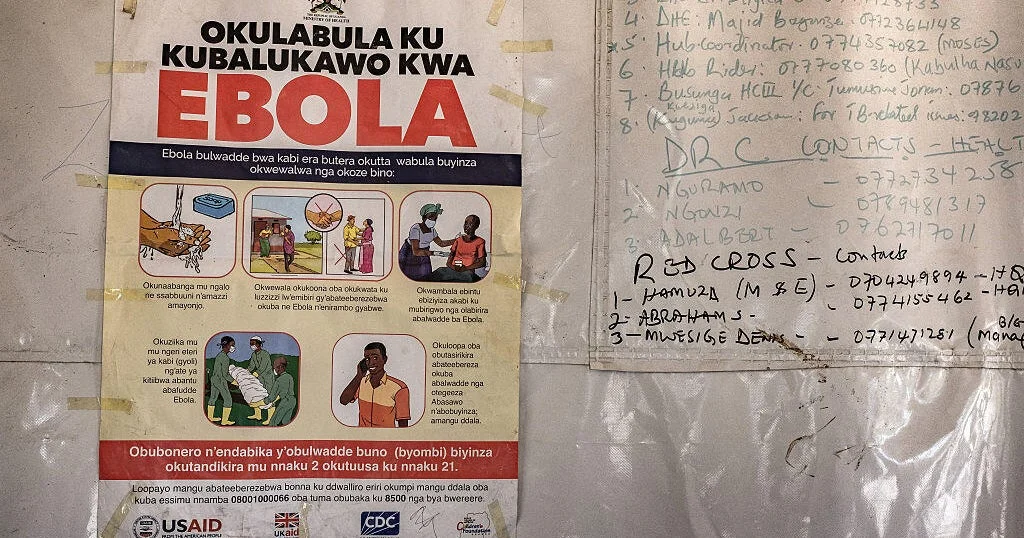
An American doctor working with a medical missionary organization in the Democratic Republic of Congo has tested positive for Ebola, according to the Centers for Disease Control and Prevention (CDC) and the aid group involved. Dr. Peter Stafford was exposed while treating patients in Bunia, Congo, and was evacuated to receive medical care.
Stafford contracted the Bundibugyo ebolavirus variant, a rare strain for which no vaccine or specific treatment currently exists. He was serving at Nyankunde Hospital in Bunia and has been with the aid organization Serge since 2023. Stafford’s wife, who is also a doctor with Serge, and another physician under the group’s care remain asymptomatic and have been adhering to quarantine protocols.
At least 131 deaths have been attributed to the ongoing Ebola outbreak in Congo, with one additional death reported in neighboring Uganda, according to the Africa Centers for Disease Control and Prevention. The World Health Organization (WHO) declared the outbreak a global health emergency on Sunday, citing concerns about the disease’s rapid spread and challenges posed by armed conflict in the affected areas.
The outbreak began with a health worker who started showing symptoms on April 24 and died in Bunia. Since then, cases have increased and spread across borders, fueled partially by the urban location and high population movement in the region.
Dr. Stafford is among at least six Americans exposed during this outbreak. The CDC plans to evacuate additional American medical personnel from the region to ensure proper monitoring and treatment if necessary.
Why it matters
This is only the third known outbreak of the Bundibugyo strain of Ebola virus, which is distinct from the more common Zaire strain. Without an available vaccine or targeted treatment, infections with this variant pose a significant threat, especially to healthcare workers on the frontlines. The spread in urban zones and across national borders heightens global public health concerns.
Background
Ebolaviruses are transmitted through direct contact with bodily fluids, such as blood, vomit, or semen, posing high risks to family members, caregivers, and medical personnel. Initial symptoms include fever, fatigue, and muscle pain, progressing to severe complications such as organ failure and bleeding. The Bundibugyo ebolavirus was first identified in Uganda in 2007 and remains less understood compared to other strains.
The ongoing conflict and insecurity in eastern Congo have complicated containment efforts, limiting access for health workers and jeopardizing response measures. International health agencies continue to monitor the situation closely as they work to prevent further spread.
Sources
This article is based on reporting and publicly available information from the following source:
Read more World News stories on Goka World News.