
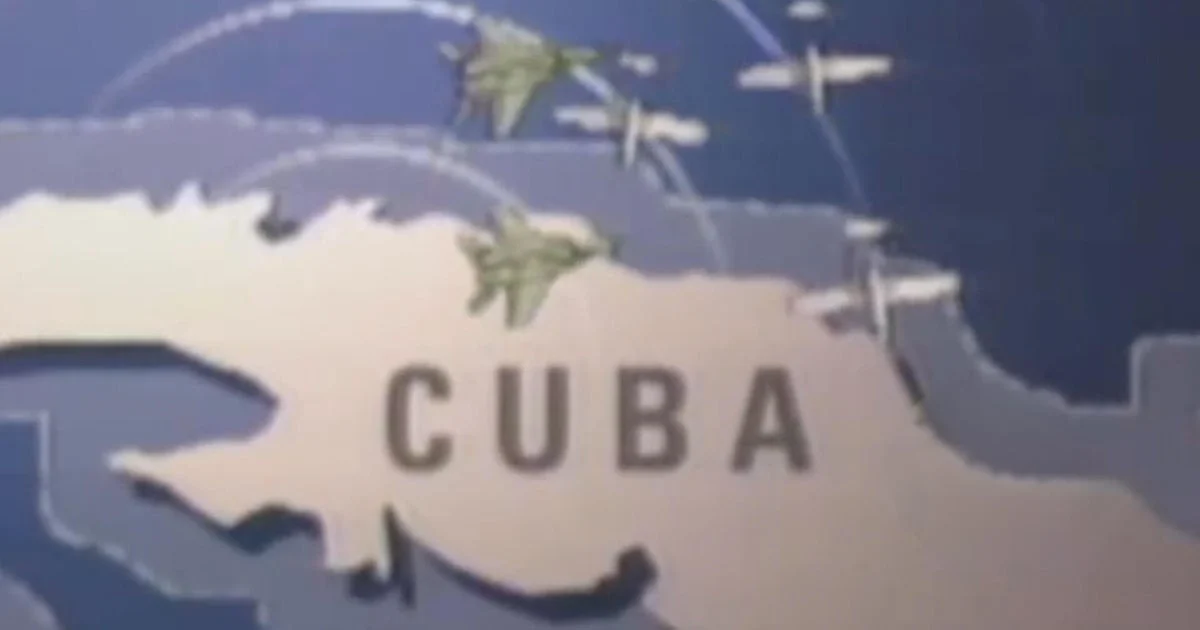
On February 24, 1996, Cuban military forces shot down two civilian planes, an incident that provoked a strong international response. The attacks targeted aircraft operated by groups opposed to the Cuban government.
The planes were part of a fleet used by exile organizations to fly from the United States to Cuba, often for political protest purposes. Cuba characterized the flights as provocative acts that violated its airspace and security.
Following the downing of the planes, the international community reacted with widespread condemnation. Many governments and organizations criticized Cuba’s use of military force against unarmed civilian aircraft, citing concerns over the safety of non-combatants and adherence to international law.
The incident highlighted ongoing tensions between Cuba and Cuban exile groups based primarily in the United States. These tensions frequently manifested in acts of political dissent and countermeasures taken by the Cuban government to assert control over its borders and airspace.
Why it matters
The shootdown of civilian aircraft in 1996 remains a significant example of the risks civilians face in geopolitical conflicts involving disputed airspace. It raised important questions about state use of force against nonmilitary targets and shaped diplomatic relations concerning human rights and aviation safety.
Background
The two planes shot down in 1996 belonged to exile political groups opposed to Cuba’s communist government. These groups had previously used small aircraft for symbolic flights over Cuban territory to protest government policies.
Cuba’s response reflected its broader stance toward hostile actions from Cuban expatriates and the United States. The Cuban government regarded such flights as threats to national sovereignty and security, justifying military intervention.
The event is recorded in international and U.S. media archives as a grim chapter in Cuba–United States relations during the post-Cold War era, illustrating the continued volatility and unresolved conflicts in the region.
Sources
This article is based on reporting and publicly available information from the following source:
Read more World News stories on Goka World News.