
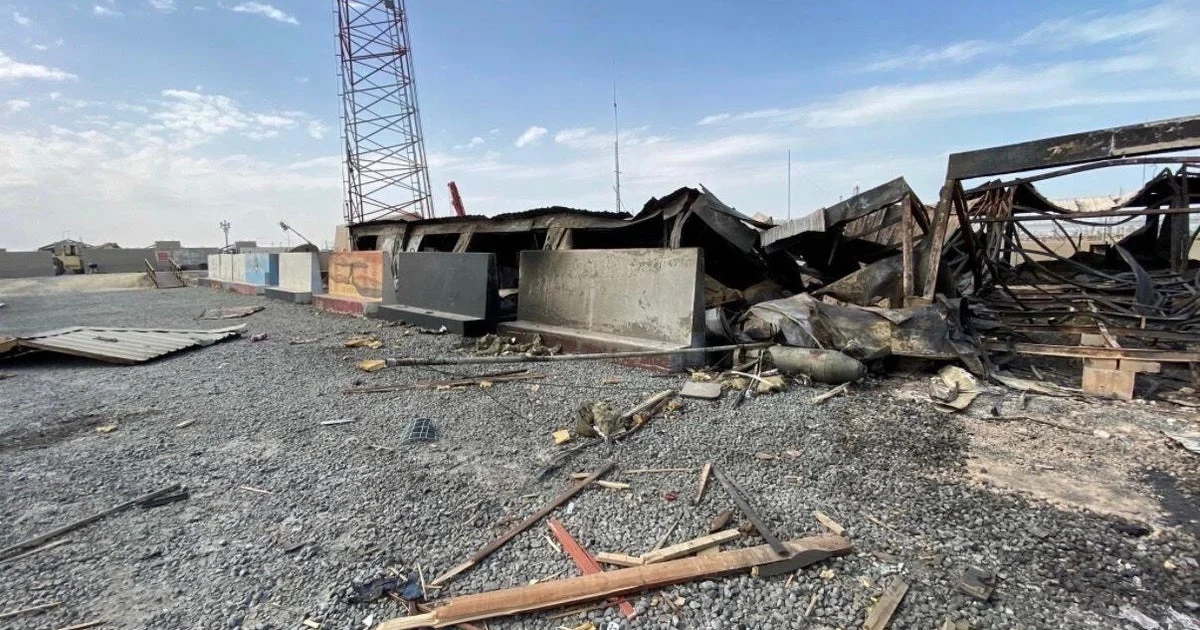
A U.S. Army unit stationed at a base in Kuwait requested increased medical support weeks before an Iranian drone attack killed six American service members and wounded 20, but their requests were reportedly ignored, according to soldiers who survived the incident.
The attack on the forward operating base at Port of Shuaiba on March 1 was the deadliest strike on U.S. troops since the Iran conflict began and the worst since 2021. Survivors told CBS News that insufficient medical personnel and supplies contributed to preventable deaths among the wounded.
Major Stephen Ramsbottom, from the Army’s 103rd Sustainment Command, said Master Sergeant Nicole Amor, who died from her injuries, might have survived if more robust medical resources had been available onsite. He described an absence of medical reinforcements and ambulances after the attack, leaving injured soldiers to secure civilian vehicles to reach local hospitals. “She could have been saved,” Ramsbottom said of Amor, who remained conscious and fighting after being seriously wounded.
Several soldiers, including Ramsbottom and Master Sergeant Ann Marie Carrier, faulted the Army for inadequate preparation, highlighting a lack of mass casualty training and insufficient coordination for responding to an aerial drone attack. Carrier, who was present during the strike, said the Army “didn’t plan for a mass casualty event” and that there were no rehearsals ahead of what the Pentagon later dubbed Operation Epic Fury.
The soldiers’ accounts also contradicted official Pentagon statements suggesting troops were adequately protected. Despite U.S. intelligence warnings from January indicating Iran planned to target their position, soldiers said they received directives not to worry about increased protection measures, even as their base had only “a tin roof” and defensive barriers designed for ground explosions rather than drone strikes.
A Pentagon spokesperson said that the department took “extraordinary steps” to safeguard troops during the operation and called accusations of negligence “unfounded and inaccurate.” The investigation into the incident remains ongoing.
The missile and subsequent drone strike at the Kuwait outpost happened shortly after personnel were ordered to relocate there from a larger base at Camp Arifjan. Soldiers were startled as a drone crashed through their workspace’s ceiling, inflicting injuries and causing chaos. The mix of limited medical resources and delayed assistance complicated emergency responses during the aftermath.
Ramsbottom acknowledged the difficulty of discussing the case publicly but emphasized the need for lessons learned to prevent similar failures in future operations. “There could be other units in this very similar situation in the future,” he said, “and if they plan properly, they can save more lives than we saved.”
Why it matters
The soldiers’ testimony highlights potential gaps in military preparedness for drone warfare and mass casualty events, raising questions about Pentagon protocols and allocation of medical resources. Given the evolving threats posed by unmanned aerial attacks, ensuring adequate frontline medical support and protective measures is critical to saving lives and maintaining troop morale. The incident also underscores the challenges U.S. forces face in adapting to new combat tactics employed by adversaries like Iran.
Background
The March 1 attack took place amid escalating tensions between the U.S. and Iran, with the Pentagon naming the Iranian retaliatory campaign “Operation Epic Fury.” Prior to this incident, the last similarly deadly attack on U.S. forces in the region occurred in 2021. Intelligence agencies had reportedly warned of an imminent strike months in advance, but frontline adjustments appeared limited. The use of drones and ballistic missiles represents a shift in Iranian tactics, requiring updated defense and medical response strategies for U.S. military installations in the Middle East.
Sources
This article is based on reporting and publicly available information from the following source:
Read more US News stories on Goka World News.