
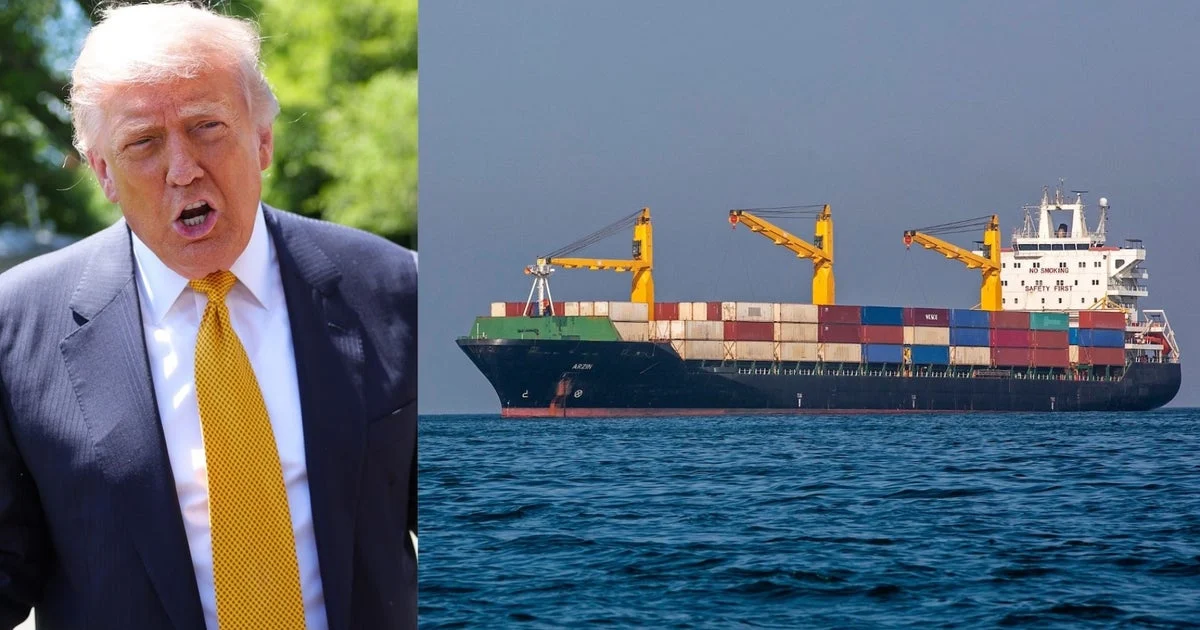
President Donald Trump announced on May 18, 2026, that he has called off a planned U.S. military attack on Iran originally scheduled for May 19, following requests from leaders of Gulf countries seeking to continue diplomatic negotiations. Trump’s announcement came via a post on his social media platform, Truth Social.
In the post, Trump said the Emir of Qatar, Tamim bin Hamad Al Thani, Crown Prince of Saudi Arabia, Mohammed bin Salman Al Saud, and the President of the United Arab Emirates, Mohamed bin Zayed Al Nahyan, urged him to delay the military strike to give serious talks a chance. “In their opinion, as Great Leaders and Allies, a Deal will be made, which will be very acceptable to the United States of America, as well as all Countries in the Middle East, and beyond,” Trump wrote, emphasizing that the potential agreement would ensure “NO NUCLEAR WEAPONS FOR IRAN.”
The president instructed Secretary of War Pete Hegseth, Chairman of the Joint Chiefs of Staff General Daniel Caine, and the U.S. military to stand down from the scheduled attack but to remain ready to conduct a “full, large scale assault” on short notice if negotiations fail.
At a White House press briefing later Monday, Trump explained that Gulf Arab countries requested a two- to three-day delay because they believe a deal with Iran is close. He said, “We were getting ready to do a very major attack tomorrow,” but now hopes the postponement could become permanent, depending on the outcomes of discussions with Iran.
Trump also noted that he has extended an earlier ceasefire, first declared on April 7, indefinitely at the request of Pakistan. Despite the ceasefire, Pentagon officials have prepared for the possibility of renewed strikes should the president authorize them.
Over the preceding weekend, Trump had issued a stern warning to Iran that the “clock is ticking” for Tehran to accept a peace agreement, adding that “there won’t be anything left of them” if they fail to move quickly. The ongoing tensions have contributed to the effective closure of the Strait of Hormuz, a strategic chokepoint for global oil shipments, which continues to disrupt international markets and energy sectors.
Iran has reportedly communicated amended terms for a possible deal through Pakistani mediators, signaling progress in back-channel diplomacy amid the standoff.
Why it matters
The postponement of a U.S. military strike represents a significant shift in the escalating conflict between Washington and Tehran, highlighting the influence of Gulf Arab states as mediators. The potential for a negotiated deal to prevent Iran from acquiring nuclear weapons could reshape regional security dynamics and ease global concerns over energy supply disruptions caused by the closure of the Strait of Hormuz. The situation remains fluid, with the United States maintaining readiness for military action if talks collapse.
Background
U.S.-Iran tensions have surged in 2026 following years of strained relations over Iran’s nuclear program and regional activities. The Strait of Hormuz, through which about 20% of the world’s petroleum passes, has been a focal point of conflict, affecting oil prices worldwide. Earlier ceasefire efforts, including one initiated by Trump in April, aimed to reduce hostilities but have so far held tenuously. Gulf Arab states, particularly Qatar, Saudi Arabia, and the UAE, have played key roles attempting to mediate between the two nations to avoid full-scale war.
Eleanor Watson and Tucker Reals contributed to this report.
Sources
This article is based on reporting and publicly available information from the following source:
Read more Politics stories on Goka World News.