
Average U.S. gas prices have surged since the onset of the conflict with Iran, reaching around $4.50 per gallon nationwide, according to AAA data. This increase translates to significant additional monthly fuel expenses for consumers like Charles Rice in Killeen, Texas, who spends approximately $90 more filling up his truck each month.
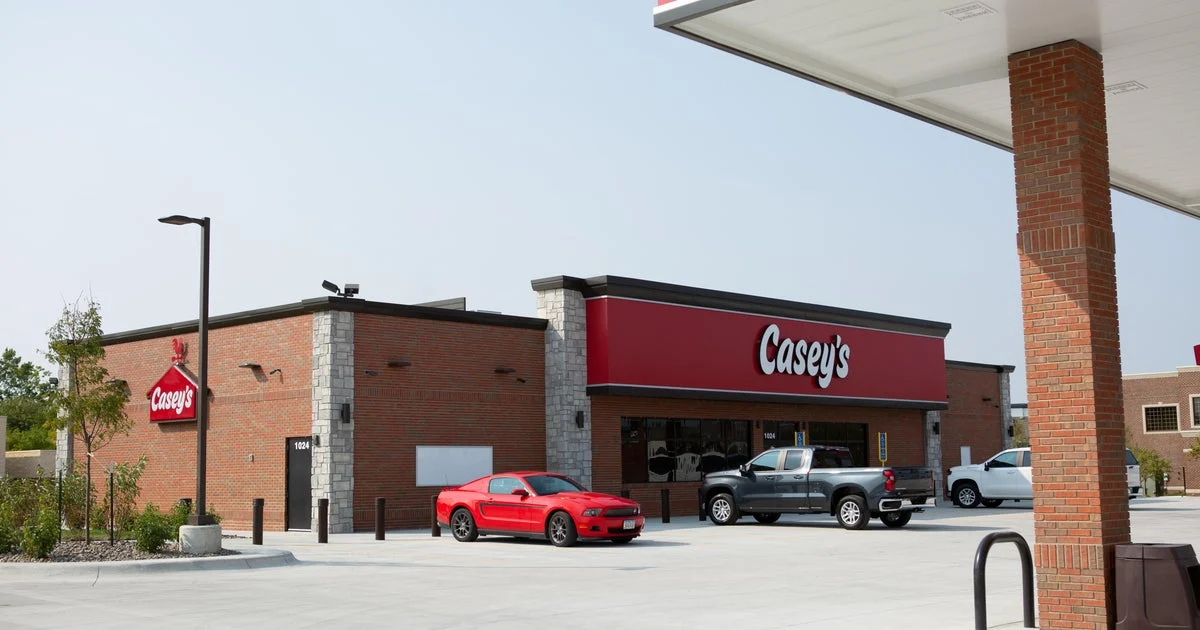
Casey’s General Stores, a major convenience store chain with nearly 300 locations primarily in smaller towns, has observed shifts in consumer behavior as gas prices rise. The chain expects a 20% increase in store visits over Memorial Day weekend, marking the start of its summer sales period. CEO Darren Rebelez attributed this boost partly to Casey’s competitive fuel pricing, which tends to be lower than many competitors.
Since February, immediately after the Middle East conflict escalated, the national average price of gasoline has risen by more than $1.50 from just under $3 per gallon. The U.S. Energy Information Administration forecasts retail gasoline prices will average $3.88 per gallon through the remainder of 2026 and drop slightly to $3.62 in 2027.
In response to higher fuel costs, consumers are altering spending habits beyond gas purchases. At Casey’s, sales of the store’s own brand of snacks—priced about a dollar less than national brands—have increased. Customers like Tiffany Bishop note that affordable snack options are important, especially for families with children.
Rebelez emphasized that during periods of economic strain, customers often seek better value options, which benefits businesses like Casey’s offering competitively priced fuel and products.
Why it matters
The rising gas prices reflect broader economic pressures linked to geopolitical tensions that directly impact consumer budgets. Adjustments in consumer purchasing behavior, such as favoring more affordable retail options, indicate how families manage increased living costs. Retailers positioning themselves as budget-friendly alternatives may see growth during these periods.
Background
Prices began climbing notably in February 2026 following the outbreak of conflict with Iran, disrupting oil markets and causing uncertainty in supply. The Energy Information Administration’s projection suggests continued volatility in fuel prices into next year, affecting transportation costs and fueling inflation concerns nationwide.
Sources
This article is based on reporting and publicly available information from the following source:
Read more Business stories on Goka World News.