
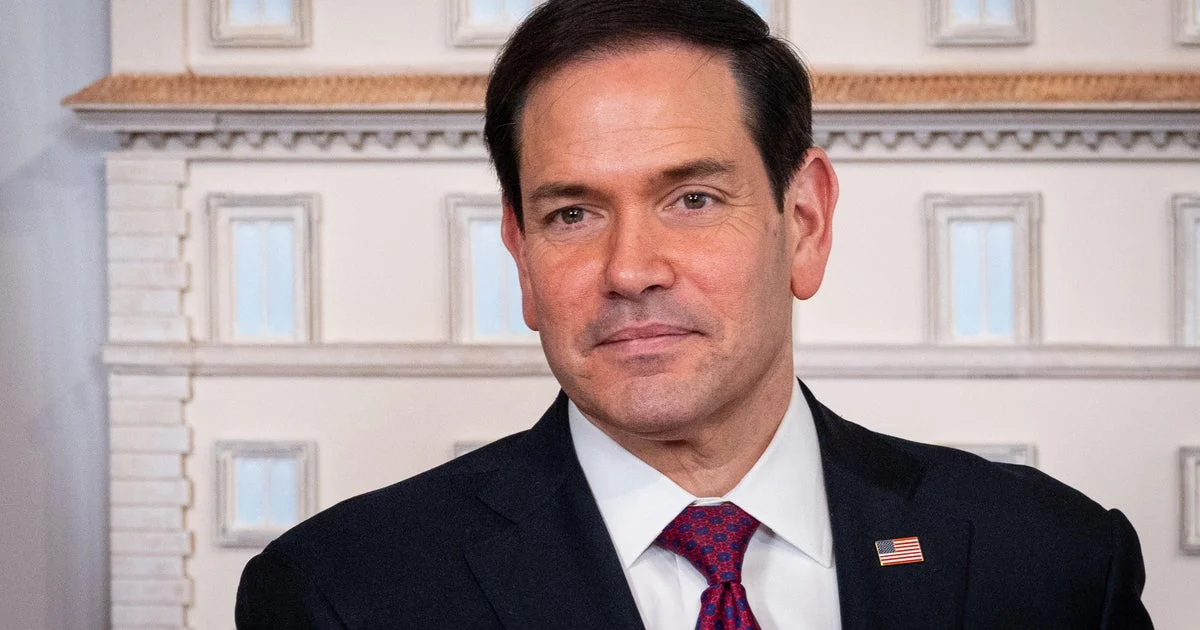
U.S. Senator Marco Rubio delivered a recorded video message in Spanish on Wednesday addressing the Cuban people, offering a proposed $100 million in food and medicine aid while criticizing the Cuban government’s elite for corruption and economic control. This message coincided with a U.S. grand jury indictment against former Cuban President Raúl Castro and five others in Florida.
Rubio targeted the Cuban military-controlled business conglomerate Grupo de Administración Empresarial S.A. (GAESA), which he said controls 70% of Cuba’s economy and holds assets worth approximately $18 billion. Rubio accused GAESA of profiting from various sectors including hotels, construction, banks, and retail, as well as from remittances sent from Cuban relatives living in the United States, claiming none of these profits benefit ordinary Cubans.
The senator addressed ongoing problems in Cuba such as the widespread power outages that have left much of the country without electricity for up to 22 hours a day. Rubio attributed the energy crisis primarily to corruption and mismanagement by Cuba’s ruling elite rather than the U.S. oil blockade, which has been in place since January following the U.S.-led removal and indictment of Venezuelan leader Nicolás Maduro.
In the video, Rubio emphasized that any U.S. aid must be delivered directly to the Cuban people through trusted organizations such as the Catholic Church or humanitarian groups to prevent diversion by GAESA. “President Trump is offering a new relationship between the U.S. and Cuba, but it must be directly with you, the Cuban people, not with GAESA,” Rubio stated.
He also spoke of ending communism in Cuba, which has governed for 67 years, by promoting economic opportunities for ordinary citizens outside the military-controlled conglomerate. Rubio said a “new Cuba” would allow everyday Cubans—not just those connected to GAESA—to own businesses such as gas stations, clothing stores, or restaurants.
The announcement came as Raúl Castro, 94, was indicted by the U.S. government on charges linked to the 1996 shoot-down of two civilian planes operated by the humanitarian group Brothers to the Rescue. Although Castro stepped down as leader of Cuba’s Communist Party in 2021, he remains an influential figure, with Miguel Díaz-Canel currently serving as both president and party leader.
Why it matters
Rubio’s direct address and offer of aid underline U.S. policy efforts to influence Cuba’s political and economic system by bypassing government channels controlled by military elites. The indictment of Raúl Castro represents a significant legal escalation by the U.S. targeting Cuban officials for past acts of violence, adding pressure amid longstanding diplomatic tensions.
Background
GAESA is a military-run conglomerate central to Cuba’s economy, controlling sectors that affect everyday life, including remittances from abroad. The recent power outages have exacerbated the island’s economic challenges, worsened by U.S. sanctions and the loss of Venezuelan oil imports after Maduro’s removal. Raúl Castro’s indictment is part of ongoing U.S. actions against Cuba’s leadership related to human rights and past confrontations.
Sources
This article is based on reporting and publicly available information from the following source:
Read more Politics stories on Goka World News.