
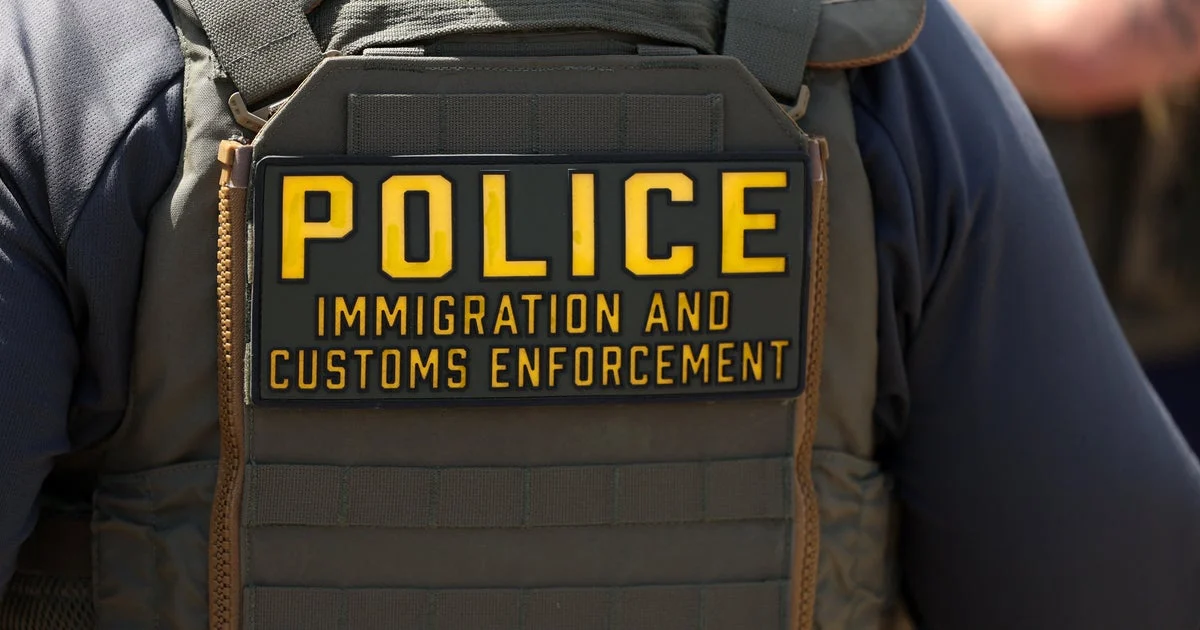
The U.S. Immigration and Customs Enforcement (ICE) agency is preparing to intensify efforts to arrest and deport Haitian immigrants as their Temporary Protected Status (TPS) is set to expire, federal documents and agency sources reveal. This move comes shortly after the Supreme Court upheld the federal government’s authority to end TPS programs for Haitians, igniting uncertainty among hundreds of thousands of affected migrants.
What Happened
According to two ICE sources and internal federal documents obtained by CBS News, ICE has formulated plans for an aggressive operation targeting Haitian migrants, including in Ohio cities with large Haitian communities like Springfield. The agency intends to arrest individuals losing TPS protections and expedite their removal flights to Haiti, despite the nation’s ongoing humanitarian crisis. The Supreme Court’s recent ruling sided with the Trump administration’s efforts to terminate TPS for Haitians and Syrians, with binding orders to be issued to lower courts imminently.
This development threatens over 300,000 Haitians currently benefiting from TPS, a program that allows temporary work authorization and halts deportations for immigrants from countries experiencing armed conflict or disasters. Once TPS expires, affected individuals lose their legal right to work and become liable for arrest and removal by ICE unless they hold another valid status or have protection from deportation orders.
The documents suggest ICE operations could begin imminently, though details on the scale remain fluid. ICE sources indicated plans to focus enforcement in various cities, and the agency may undertake significant deportation flights to Haiti’s northern city of Cap-Haïtien, the primary safe destination presently accessible for deportations due to instability in the capital, Port-au-Prince.
Key Facts
The TPS program for Haiti originated in 2010 after the devastating earthquake and has been extended repeatedly until now. The Trump administration made efforts to end the program last year, citing concerns TPS acts as a “de facto amnesty program” and fosters illegal immigration. The Supreme Court ruling declines judicial review of TPS determinations, despite earlier lower court findings that the termination was partially motivated by racial animus, referencing disparaging comments by former DHS Secretary Kristi Noem and former President Donald Trump.
Since the ruling, ICE has markedly increased immigration enforcement actions. Last month, ICE recorded its highest monthly detainee count since the agency’s intensified crackdown began under the Trump administration’s second term. Notably, incidents involving fatalities during ICE traffic stops in Texas and Maine have underscored the tension surrounding enforcement operations this summer.
The Department of Homeland Security issued a statement reiterating its refusal to discuss ongoing or future ICE operations, urging TPS recipients to “self-deport,” and promoting voluntary return assistance that includes $2,600 exit payments and a free flight home.
What This Means
This impending enforcement surge signifies a dramatic shift for Haitian immigrants who have relied on TPS for legal residency and employment authorization in the U.S. The expiration of TPS removes these protections, exposing hundreds of thousands to deportation proceedings amid an ongoing humanitarian crisis in Haiti. For communities with significant Haitian populations, especially in cities like Springfield, Ohio, this could translate into heightened arrests, family separations, and social instability.
The U.S. government’s push for deportations raises complex legal and ethical questions about the treatment of vulnerable populations forced to return to an unstable and violent environment. The choice to depart from an emergency humanitarian protection framework to enforcement-focused immigration policy highlights broader debates over the scope and limits of immigration relief programs in the United States.
Additionally, the operations come amid political polarization over immigration enforcement strategies, with ICE under pressure to increase arrests to record daily levels. This focus may lead to contentious lobbying, public protests, and further legal challenges, putting immigration enforcement at the heart of national political discourse.
Background
Temporary Protected Status was established by Congress in 1990 to provide short-term protection to immigrants from countries experiencing crises such as war or natural disasters. The Haiti TPS program began in 2010 after the catastrophic earthquake. While initially temporary, TPS has been extended multiple times, especially under Democratic administrations. The Trump administration has consistently moved to terminate TPS programs, citing concerns over border security and immigration control, sparking legal battles culminating in the recent Supreme Court ruling.
Earlier judicial decisions had found discriminatory intent underlying the decision to end Haiti’s TPS, but the Supreme Court’s majority dismissed those findings, emphasizing limited judicial oversight of TPS decisions by executive agencies.
What Comes Next
Lower courts will soon receive binding mandates to proceed with the TPS termination for Haitians, potentially accelerating ICE’s enforcement activities. Legal advocacy groups and affected communities are expected to monitor these developments closely, and further litigation or policy responses could emerge. Meanwhile, ICE is likely to intensify operations targeting Haitian TPS recipients, with potential community impacts emerging rapidly over the coming weeks.
Sources
This article is based on reporting and publicly available information from the following sources:
Read more Politics stories on Goka World News.