
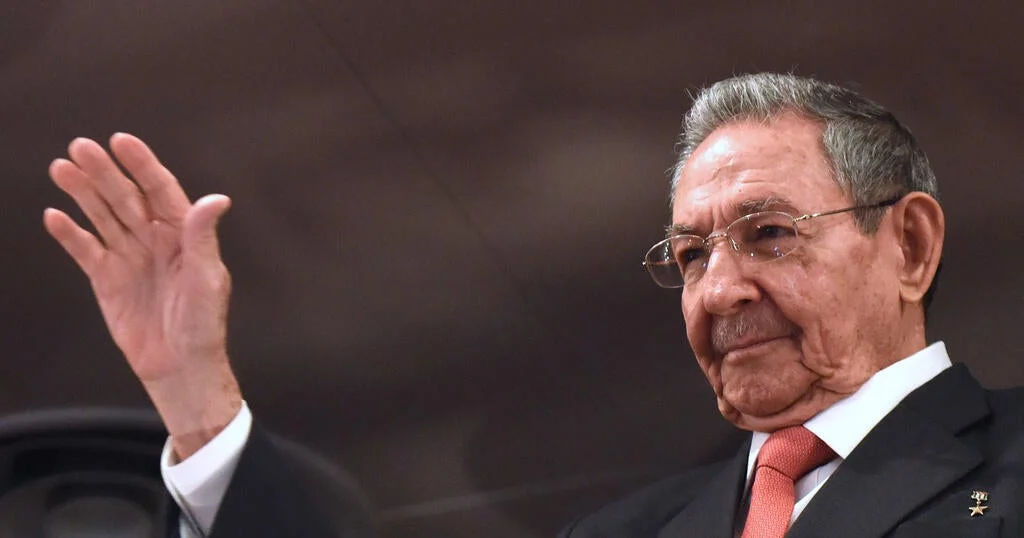
The United States has indicted former Cuban President Raúl Castro and five others in connection with the Cuban military’s 1996 downing of two civilian aircraft, which resulted in four deaths. The indictment was unsealed by a federal judge in Florida on May 20, 2026, marking a notable escalation in U.S. legal action against high-ranking Cuban officials.
Raúl Castro, 94, who led Cuba from 2008 to 2018 and headed the country’s Communist Party from 2011 to 2021, faces charges that include conspiracy to kill U.S. nationals, four counts of murder, and two counts of destruction of aircraft, according to court filings. His indictment is part of a broader pressure campaign by the Trump administration and its successors against the Cuban government.
Details of the indictment
The indictment relates to the 1996 incident when two small civilian planes piloted by members of a Cuban exile group were shot down over international waters near Cuba, killing four people on board. While the full contents of the superseding indictment have not yet been publicly released, it was confirmed that Castro and a Cuban fighter pilot previously charged in the case are among those indicted.
The federal court docket from South Florida shows that the charges specifically allege a conspiracy linked to the shootdown, emphasizing its severity as an act against U.S. nationals.
Extradition challenges
It remains uncertain whether Raúl Castro will ever face trial in the United States, as Cuba does not extradite individuals to U.S. authorities. This limits the practical effect of the indictment as a prosecutorial tool but underscores continuing tensions between the two nations.
By contrast, other high-profile foreign indictments, such as those against former Venezuelan President Nicolás Maduro, have resulted in arrests and extraditions, a reminder of the complexities involved in enforcing U.S. criminal charges against foreign leaders.
Why it matters
This indictment represents a rare instance of the U.S. Department of Justice pursuing top international political figures for actions tied to mortality and attacks on U.S. citizens. It signals a legal and diplomatic stance aimed at holding Cuba’s former leadership accountable for historical acts of violence.
The case may also influence U.S.-Cuba relations, which have fluctuated amid changing administrations and policies over recent decades. Legal moves of this scale could affect diplomatic dialogue and inform future U.S. strategy toward Cuba.
Sources
This article is based on reporting and publicly available information from the following source:
Read more US News stories on Goka World News.