
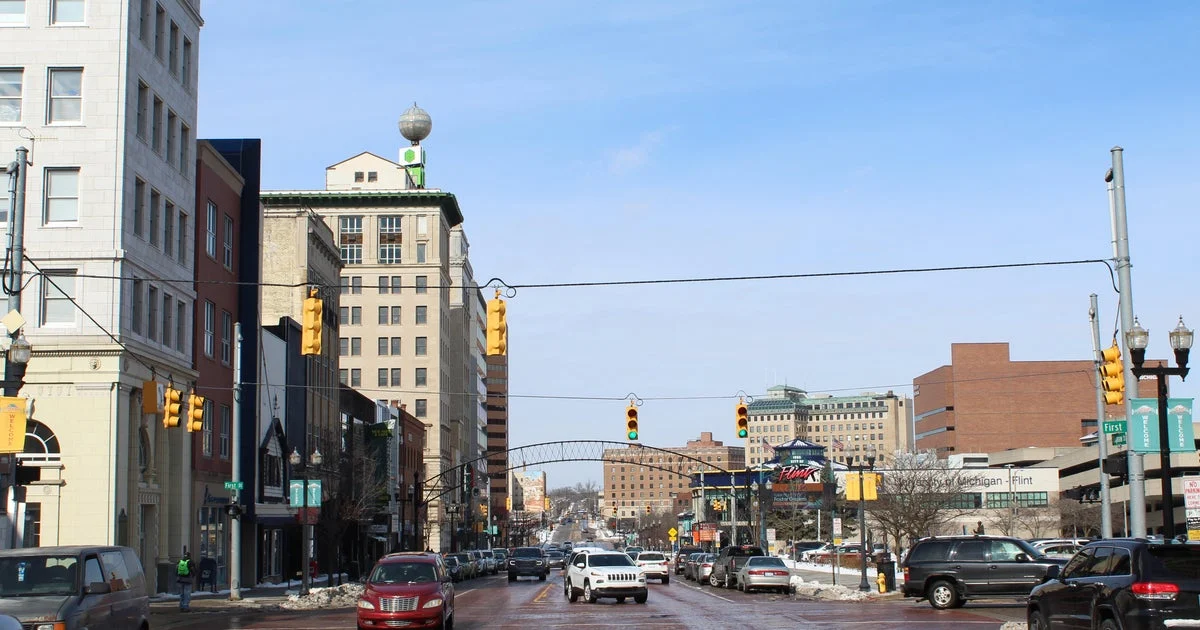
Flint, Michigan, has been identified as the most affordable U.S. city to buy a home, according to a new analysis by personal finance website WalletHub. The study evaluated 300 cities nationwide using factors such as median home prices relative to household income and cost per square foot, with Flint scoring highest on a 100-point affordability scale.
The median home price in Flint is approximately $66,000, while Detroit, Michigan, ranked second, with a median home price near $76,500, based on Zillow data. Both cities, located in the Rust Belt, offer significantly lower entry points for homeownership compared to many other metro areas.
At the other end of the spectrum, Santa Barbara, California, was ranked the least affordable city, with median home prices around $1.85 million. This stark contrast reflects ongoing challenges for many Americans trying to enter the housing market amid higher prices and mortgage rates.
Nationwide affordability challenges
Despite some pockets of affordability, homeownership in the U.S. has become increasingly out of reach. Since 2020, the income needed to afford a median-priced home has nearly doubled. According to the Federal Reserve Bank of Atlanta, buyers now require an annual income of about $120,000 to buy a typical home priced around $400,000. This figure was roughly $63,000 just three years earlier.
However, affordability alone does not dictate relocation decisions. Most Americans remain geographically tied to their current regions due to employment, family commitments, or other factors. IRS migration data analyzed by the Tax Foundation shows people often relocate to lower-tax states such as Texas, Florida, and North Carolina, although these states’ cities do not necessarily rank among the most affordable housing markets.
Factors influencing homebuyer decisions
Experts note that different age groups prioritize various factors when choosing where to live. Older Americans may focus more on tax considerations, while younger individuals are often motivated by housing affordability, job opportunities, and urban amenities.
The affordability rankings do not capture all considerations affecting a city’s desirability. For instance, Flint’s housing market affordability comes after dealing with the aftermath of its 2014 water crisis—an event that exposed residents to unsafe water containing bacteria and elevated lead levels. WalletHub noted Flint’s water quality has complied with Environmental Protection Agency standards for the past six years.
Background
WalletHub’s affordability index is based on ten factors, prioritizing the ratio of median home price to median household income and cost per square foot. The study aims to provide insight into where Americans might feasibly afford homeownership amid a broader national market facing rising costs and mortgage interest rates.
This analysis reflects a wider trend in U.S. real estate where affordability varies greatly by region, influenced by local economies, tax policies, and demographic patterns of mobility.
Sources
This article is based on reporting and publicly available information from the following source:
Read more US News stories on Goka World News.